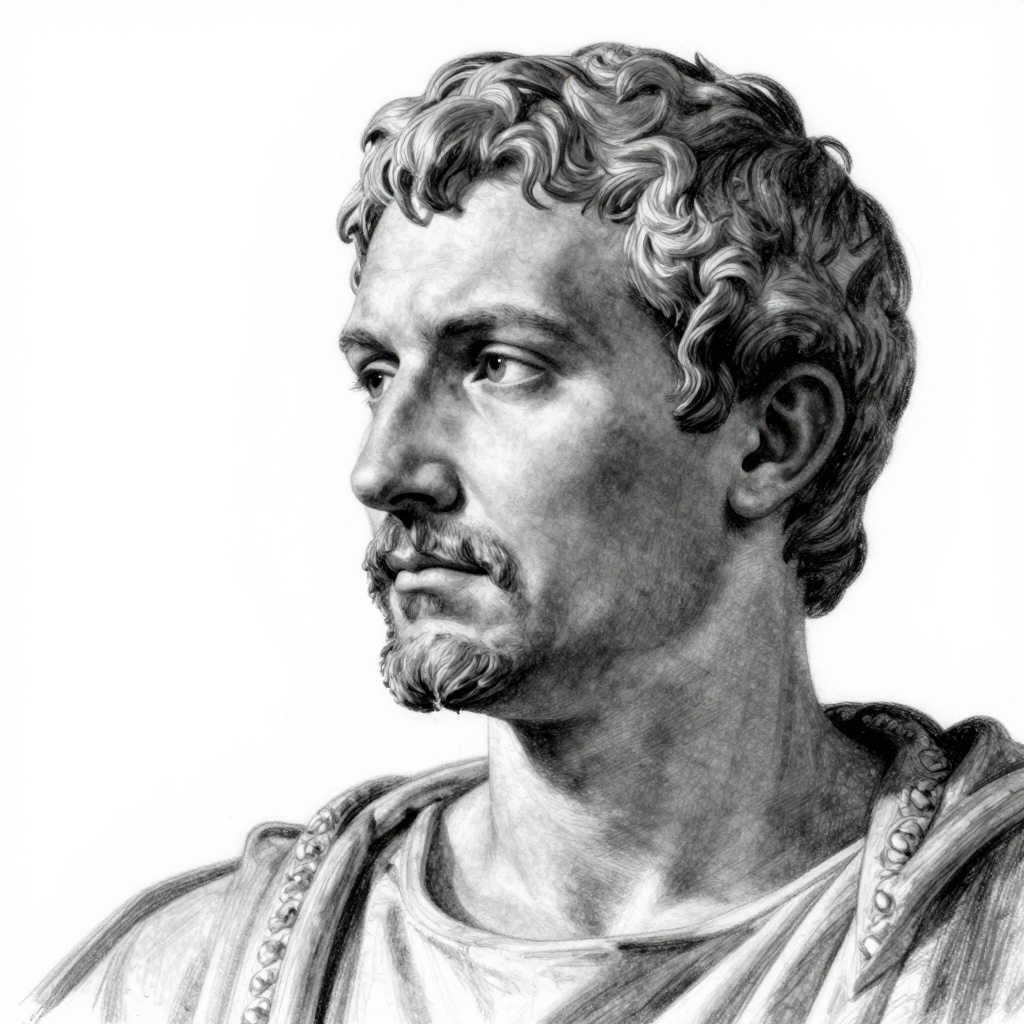
Those men who, in war, seek to preserve their lives at any rate commonly die with shame and ignominy, while th... — Xenophon
Those men who, in war, seek to preserve their lives at any rate commonly die with shame and ignominy, while those who look upon death as common to all, and unavoidable, and are only solicitous to die with honour, oftener arrive at old age and, while they live, live happier.
Author: Xenophon
Insight: There's a strange paradox buried in this ancient military observation that actually applies way beyond the battlefield. The people most obsessed with avoiding failure, rejection, or loss often experience more of it—while those who accept that hard things are just part of being human tend to move through life with more resilience and actually better outcomes. It's not that acceptance makes you reckless; it's that paralyzing fear makes you small and reactive. Think about the person terrified of embarrassment who avoids speaking up in meetings, applying for the job, or starting the conversation. Versus someone who knows they'll occasionally fail or be rejected, but decides that's not the worst thing that could happen. The second person actually does better, not because they're fearless, but because they're not wasting energy on preventing the inevitable. They can focus on what matters. The real insight isn't about bravery in combat. It's that dignity comes from how you face difficulty, not from dodging it. When you stop treating your own difficulty as something shameful to hide from, you're freed up to actually live—to take chances, to be honest, to build something real. Paradoxically, accepting that life includes hard things doesn't make your life harder. It makes it better.