Quote · Added 14 February 2026
Reading
AI generatedThe sweetest things hide in plain sight
There's something counterintuitive about this observation that feels true the moment you notice it. The flowers we walk past without a second glance—the small, unassuming ones tucked low to the ground—often reward closer attention with an almost unreasonable fragrance. Meanwhile, the showy blooms that demand to be seen often smell like almost nothing at all. It's as if subtlety and depth somehow go together.
This maps onto people too. The ones constantly performing, constantly visible, constantly trying to impress rarely have much genuine depth when you get close. But the quieter people—the ones who don't need the spotlight—often have a richness to them that emerges only if you're patient enough to notice. They're not trying to seduce you with spectacle, so when they do reveal something of themselves, it feels earned and real.
The practical implication is worth sitting with: what we're taught to value—visibility, volume, obvious impact—isn't always where the real treasure is. Sometimes the best things in life require you to bend down, pay attention, and resist the pull toward what's easiest to see. That small gesture of lowering yourself isn't weakness. It's actually where the most beautiful discoveries live.
The author
All 9 quotes by William Wordsworth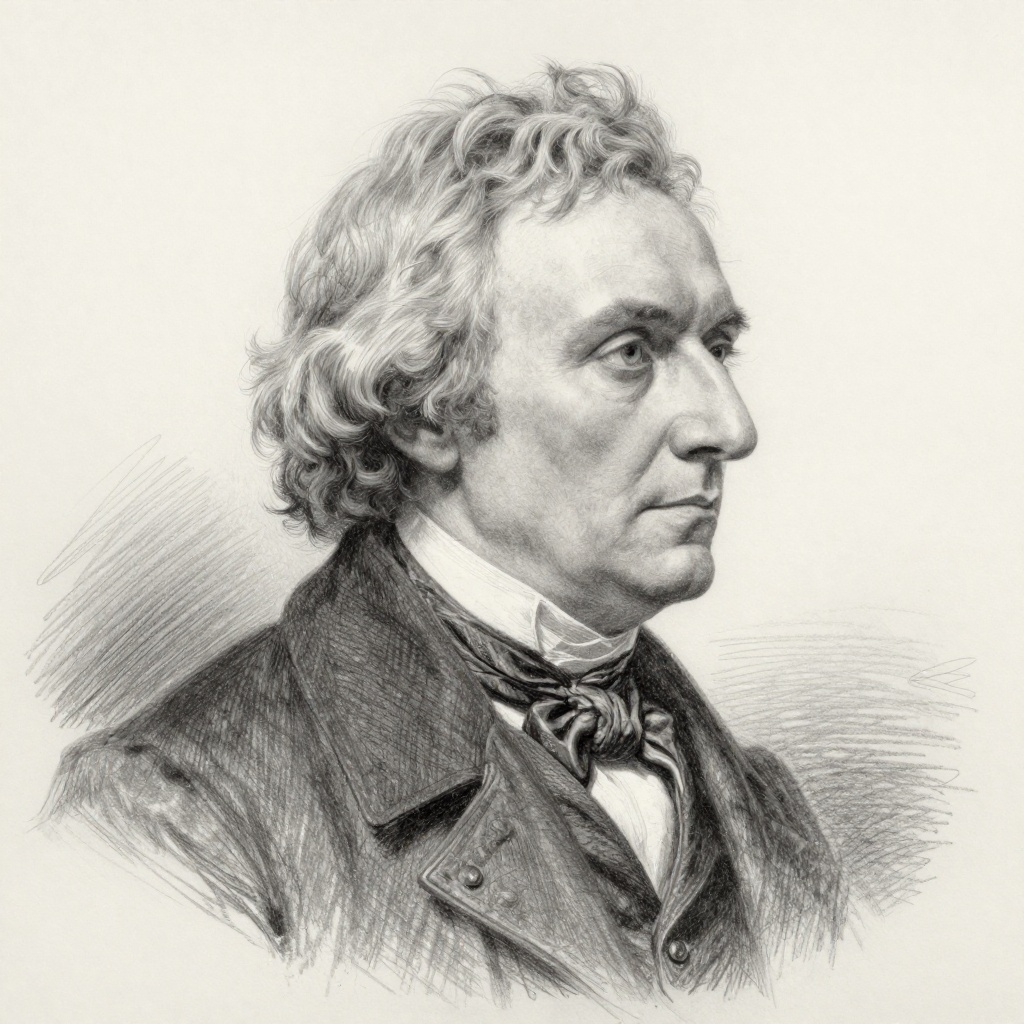
William Wordsworth
1770–1850·lived 80 years
William Wordsworth (1770–1850) was an English Romantic poet known for his lyrical poetry and profound exploration of nature, human emotions, and the power of the imagination. He, along with Samuel Taylor Coleridge, published "Lyrical Ballads" in 1798, which marked the beginning of the Romantic movement in English literature. Wordsworth's most famous works include "Lines Composed a Few Miles Above Tintern Abbey" and "I Wandered Lonely as a Cloud."
Also by William Wordsworth
The mind that is wise mourns less for what age takes away; than what it leaves behind.
Comments