Quote · Added 14 February 2026
Wisdom is oftentimes nearer when we stoop than when we soar.
William WordsworthThe Prelude, Book 1, 1850
Quote · Added 14 February 2026
We've been trained to think wisdom lives at the top—in grand theories, famous books, or the advice of impressive people. But Wordsworth points at something almost backwards: the deepest truths often hide in the small, ordinary, overlooked places. You find them by paying close attention to a child's question, a conversation with someone struggling, or your own quiet doubts, not by reaching for the biggest ideas or loudest voices.
There's also a practical edge here. When you're soaring—ambitious, confident, always looking ahead—you miss what's directly in front of you. Stooping means slowing down, getting low, noticing the texture of everyday life. It means admitting you don't know rather than performing certainty. In our world of constant optimization and upward climbing, this feels almost radical. The wisdom that changes how you actually live often comes not from leveling up, but from leveling with the real situation you're in.
The insight flips our usual scorecard: being willing to be small, uncertain, and attentive might be smarter than being impressive.
1770–1850·lived 80 years
William Wordsworth (1770–1850) was an English Romantic poet known for his lyrical poetry and profound exploration of nature, human emotions, and the power of the imagination. He, along with Samuel Taylor Coleridge, published "Lyrical Ballads" in 1798, which marked the beginning of the Romantic movement in English literature. Wordsworth's most famous works include "Lines Composed a Few Miles Above Tintern Abbey" and "I Wandered Lonely as a Cloud."
Also by William Wordsworth
The mind that is wise mourns less for what age takes away; than what it leaves behind.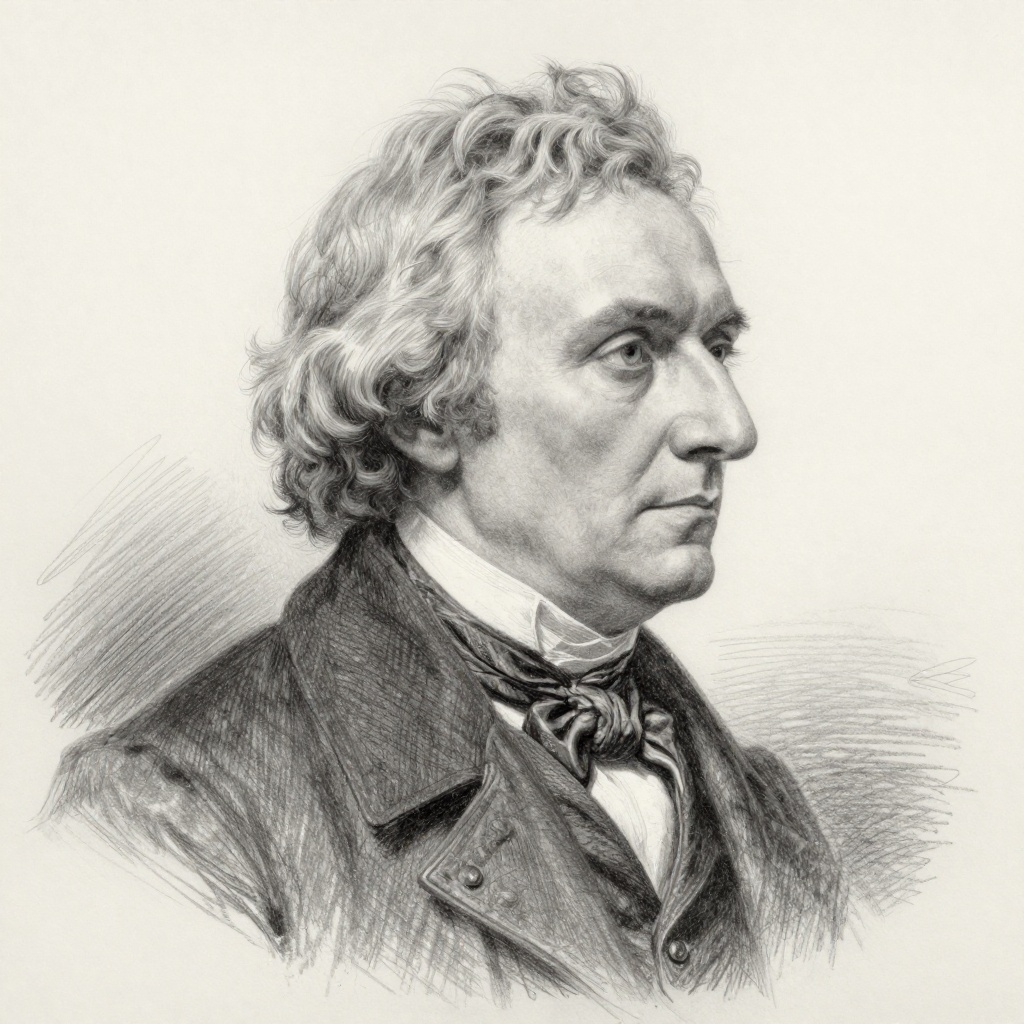
Comments