Quote · Added 15 February 2026
The mind that is wise mourns less for what age takes away; than what it leaves behind.
Filed underwisdom·loss·reflection
Quote · Added 15 February 2026
Filed underwisdom·loss·reflection
We usually think of aging as pure loss—the body slowing down, energy fading, opportunities closing. Wordsworth points at something deeper and stranger: what really aches isn't what we've lost, but what we still carry with us.
Think about the person who's bitter about their mistakes decades later, or the one who never stopped regretting a path not taken. They're not suffering because they've forgotten these things—they're suffering because they remember them vividly. The mind doesn't shed regret the way the body sheds strength. If anything, unresolved disappointments often grow heavier with time, becoming the weight we drag forward rather than what falls away behind us.
This is oddly liberating when you think about it. You can't recover lost years or undone opportunities, but you can decide what mental baggage you're still hauling around. The wise part of aging isn't about accepting physical decline—it's about finally releasing the grudges, shame, and what-ifs that we've been gripping so tightly. The real freedom of later life comes from letting go of what we're carrying, not mourning what we've lost.
1770–1850·lived 80 years
William Wordsworth (1770–1850) was an English Romantic poet known for his lyrical poetry and profound exploration of nature, human emotions, and the power of the imagination. He, along with Samuel Taylor Coleridge, published "Lyrical Ballads" in 1798, which marked the beginning of the Romantic movement in English literature. Wordsworth's most famous works include "Lines Composed a Few Miles Above Tintern Abbey" and "I Wandered Lonely as a Cloud."
Also by William Wordsworth
The flower that smells the sweetest is shy and lowly.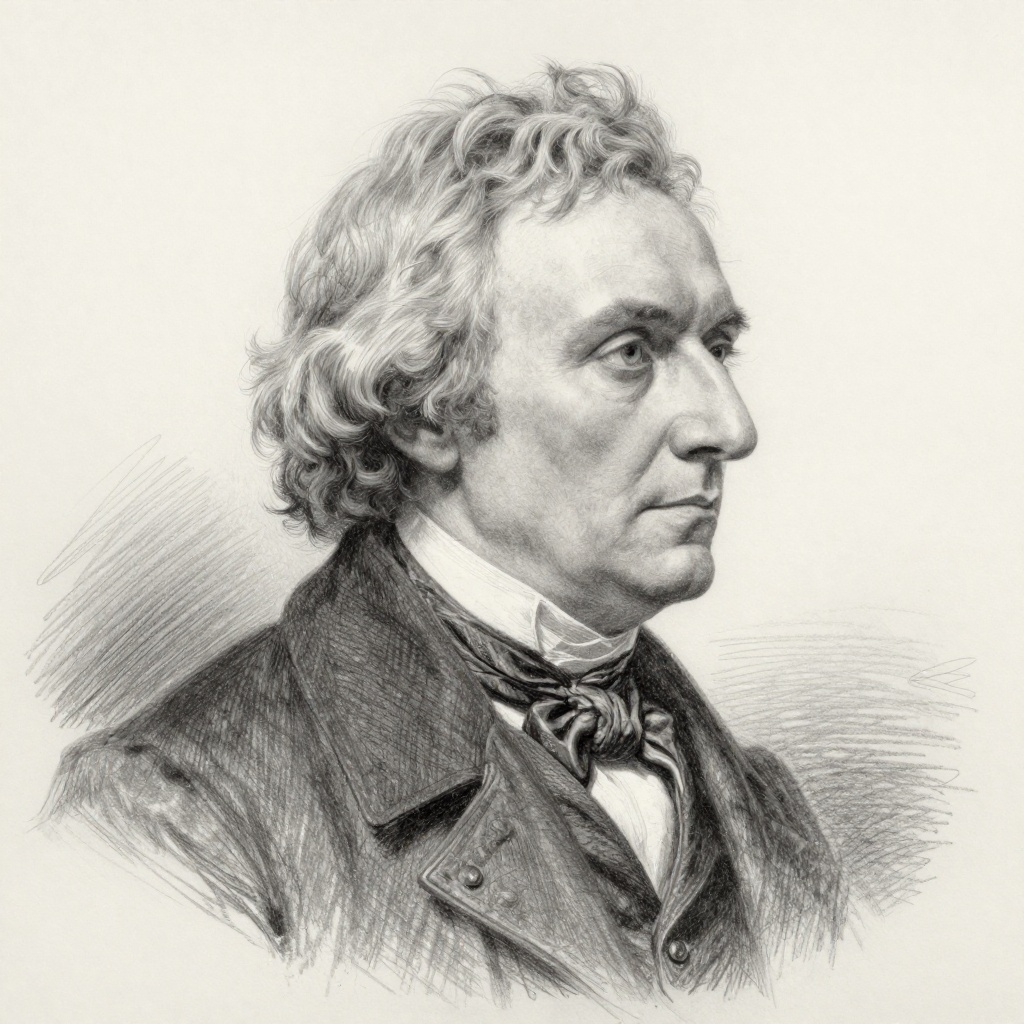
Comments