Quote · Added 14 February 2026
Faith is a passionate intuition.
William WordsworthThe Excursion, IV, l. 1293
Quote · Added 14 February 2026
There's something Wordsworth understood that we often miss: faith isn't just belief in something distant or abstract. It's a feeling that arrives with force, that moves you forward even when logic alone wouldn't. It's the gut certainty that keeps a parent awake caring for a sick child, or that pushes someone to start something they can't yet prove will work. That passionate pull is real whether it's religious or not.
Most of us are taught to separate emotion from conviction, as if they work against each other. But Wordsworth points to something truer about how we actually live: our deepest commitments don't come from spreadsheets or philosophical arguments. They come from a kind of knowing that involves our whole self—our intuition, yes, but also our hopes and values and what we're willing to stake ourselves on. You might call it gut instinct, or calling, or simply caring about something more than you can explain.
The catch is that passionate intuition can point us toward something real or completely mislead us. Feeling certain isn't the same as being right. But acknowledging that faith is passionate—that it has heat and urgency—is honest. It reminds us that living with conviction means accepting some irreducible uncertainty, and moving forward anyway.
1770–1850·lived 80 years
William Wordsworth (1770–1850) was an English Romantic poet known for his lyrical poetry and profound exploration of nature, human emotions, and the power of the imagination. He, along with Samuel Taylor Coleridge, published "Lyrical Ballads" in 1798, which marked the beginning of the Romantic movement in English literature. Wordsworth's most famous works include "Lines Composed a Few Miles Above Tintern Abbey" and "I Wandered Lonely as a Cloud."
Also by William Wordsworth
The mind that is wise mourns less for what age takes away; than what it leaves behind.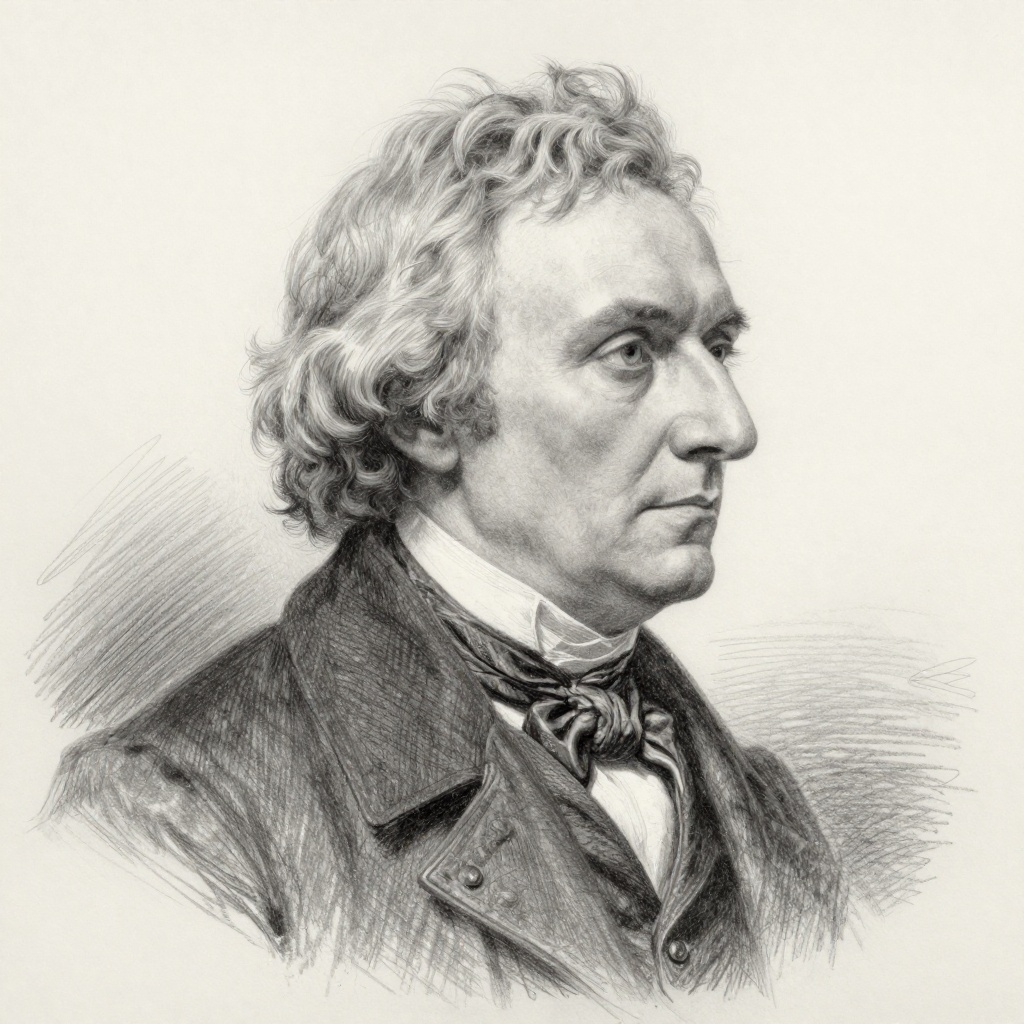
Comments