Quote · Added 14 February 2026
Tis not enough to help the feeble up, but to support them after.
William ShakespeareTimon Of Athens, Act 1, sc. 1, l. 108
Filed undersupport·compassion·strength
Quote · Added 14 February 2026
Filed undersupport·compassion·strength
We've all had that moment where we help someone get started on something—a friend beginning therapy, a colleague taking on their first big project, a family member trying to quit a bad habit—and then we disappear. We feel like the work is done because we showed up at the crucial moment. But Shakespeare understood something harder: the real test of support isn't the dramatic rescue. It's the unglamorous follow-up.
The tricky part is that ongoing support requires a different kind of energy than the initial push. It's not a sudden effort but a steady presence. That friend needs someone to check in during the difficult third week, not just applaud week one. The person rebuilding their life needs allies who stay curious about how it's actually going, not just someone who felt good about giving them advice once. This matters because most people fail not at the starting line but at the invisible middle, when the initial motivation wears off and nobody's watching anymore.
What's quietly radical about this idea is that it redefines what help actually means. It's not about your moment of heroism—it's about becoming someone reliable enough to be boring about it. That's the kind of support that actually changes things.
1564–1616·lived 52 years
William Shakespeare was an English playwright and poet, widely regarded as one of the greatest writers in the English language. Known for his iconic works such as "Romeo and Juliet," "Hamlet," and "Macbeth," Shakespeare's plays continue to be performed and studied around the world, showcasing his profound understanding of human nature and his timeless storytelling.
Also by William Shakespeare
Life is a tale told by an idiot, full of sound and fury, signifying nothing.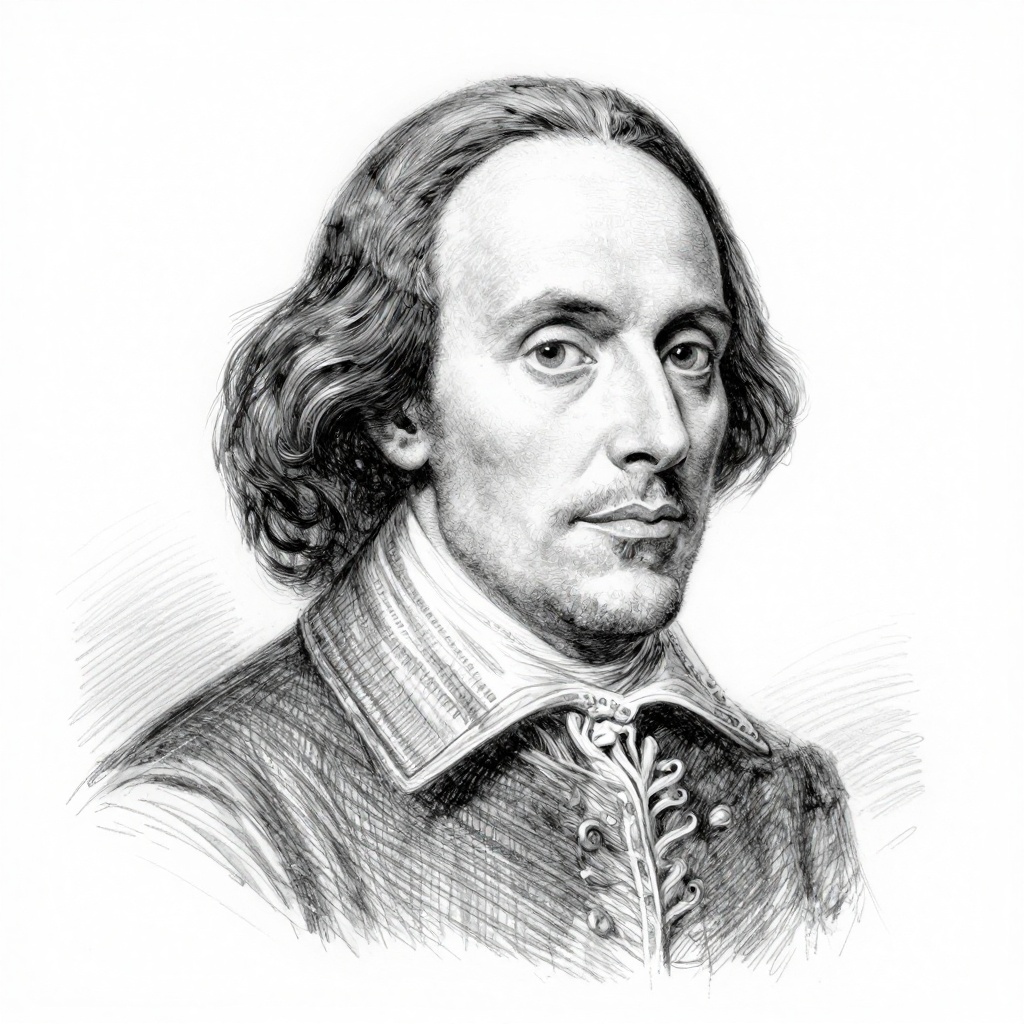
Comments