Quote · Added 12 August 2026
It is compassion that moves us beyond numbness toward healing.
Anton ChekhovLove in the Time of Numbness; or, Doctor Chekhov, Writer, The New Yorker, 2017
Filed undercompassion·healing·numbness
Quote · Added 12 August 2026
Filed undercompassion·healing·numbness
We're all numb sometimes. After scrolling through bad news, sitting in traffic, or enduring another difficult conversation, we develop a kind of emotional armor. It's protective, sure, but it also leaves us stuck—unable to connect, help, or even feel genuinely alive. Numbness isn't laziness or apathy; it's often what happens when we've absorbed too much pain without processing it.
Compassion is the antidote, but not in the greeting-card sense. It's the willingness to actually feel what someone else is experiencing, even when it's uncomfortable. When you let yourself recognize another person's struggle as real and worthy of care, something shifts. That recognition breaks through the fog. It forces you out of your own protective shell and into genuine human contact, which paradoxically makes you feel more yourself, not less.
The healing Chekhov mentions works both ways. By turning toward others with real attention and care, we heal not just them but ourselves. Numbness thrives in isolation; compassion requires engagement. In a world that constantly encourages us to stay detached and efficient, choosing to actually care—to feel what others feel—becomes a radical and necessary act of resistance against the hardening that creeps in if we let it.
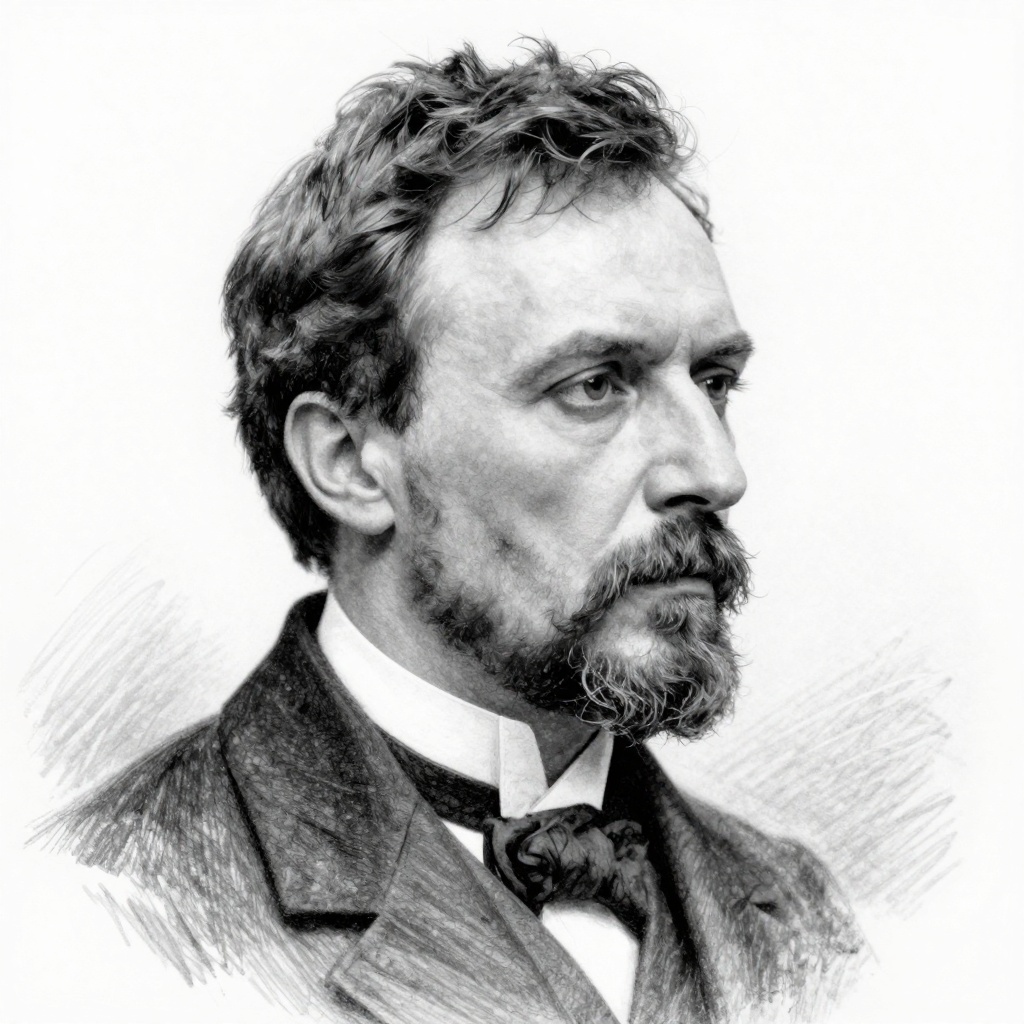
1860–1904·lived 44 years
Anton Chekhov was a Russian playwright and short-story writer known for his works like "The Seagull," "Uncle Vanya," and "The Cherry Orchard." He is celebrated for his realistic depiction of human nature and his ability to capture the complexities of the Russian society during the late 19th and early 20th centuries. Chekhov's works have had a profound influence on modern theater and literature.
Comments