Quote · Added 15 March 2026
The world perishes not from bandits and fires, but from hatred, hostility, and all these petty squabbles.
No ratings yet
Quote · Added 15 March 2026
We tend to think the big, dramatic things destroy us—wars, economic collapse, natural disasters. But Chekhov noticed something quieter and more corrosive: that societies actually crumble under the weight of everyday animosity. The small resentments, the grudges we nurse at the dinner table, the way we assume the worst about people we disagree with—these are the real toxins that eat away at everything.
What makes this insight sting is that it puts responsibility somewhere we'd rather not look. We can't do much about bandits or fires, but we can absolutely control whether we treat the barista with contempt or listen to our neighbor's perspective even when we think they're wrong. The damage we do through coldness and suspicion is damage we're actively choosing, moment by moment. And the strange part? This doesn't mean being naive or abandoning your values. It means recognizing that hostility itself—even when it feels justified—is its own kind of destruction.
The world doesn't end in one catastrophic moment. It deteriorates through a thousand small cruelties, misunderstandings we refuse to clear up, and conflicts we'd rather win than resolve.
1860–1904·lived 44 years
Anton Chekhov was a Russian playwright and short-story writer known for his works like "The Seagull," "Uncle Vanya," and "The Cherry Orchard." He is celebrated for his realistic depiction of human nature and his ability to capture the complexities of the Russian society during the late 19th and early 20th centuries. Chekhov's works have had a profound influence on modern theater and literature.
Also by Anton Chekhov
It is compassion that moves us beyond numbness toward healing.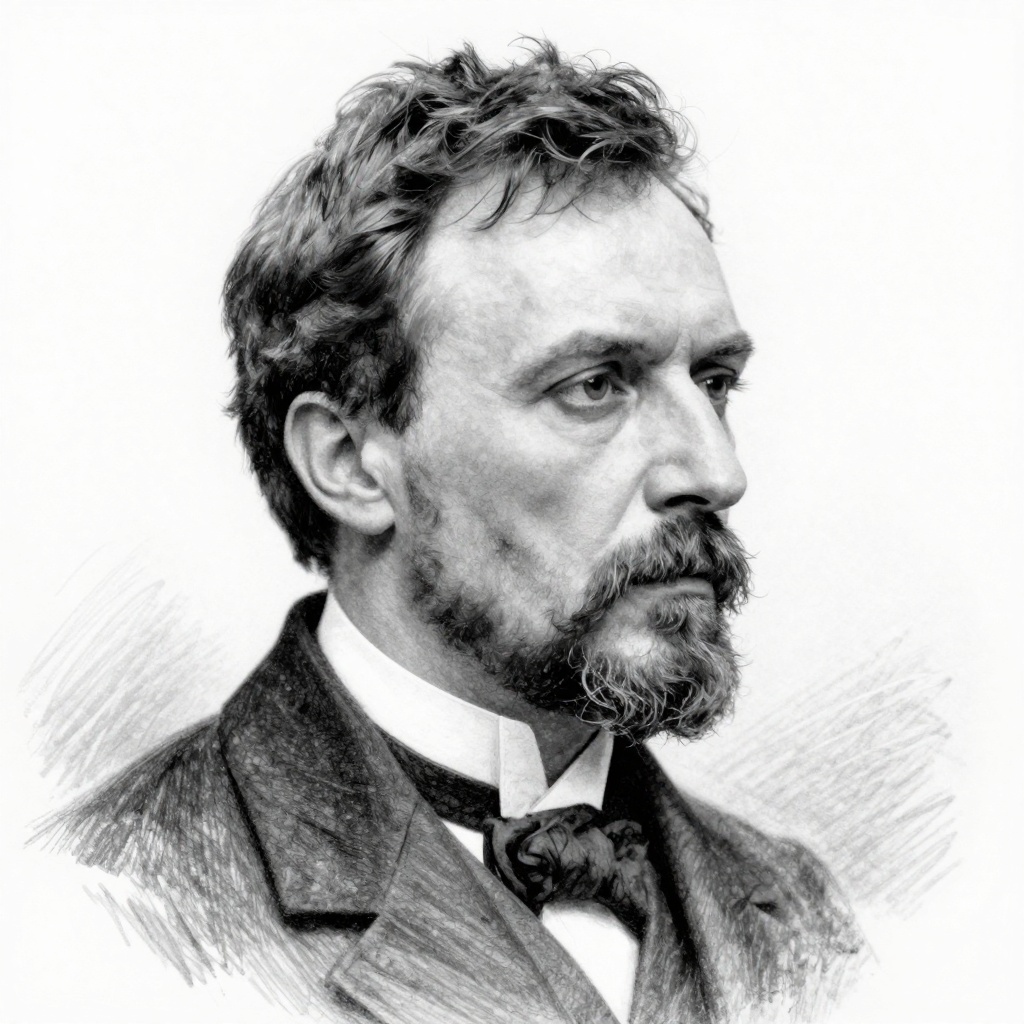
Comments