Quote · Added 15 March 2026
I may not have amazing victories, but | can amaze you with defeats that I came out of alive.
No ratings yet
Filed underdefeats·resilience·survival
Quote · Added 15 March 2026
Filed underdefeats·resilience·survival
Most people chase stories worth telling—the promotions, the perfect relationships, the clean wins. But Chekhov is pointing at something tougher: the real skill isn't in accumulating trophies. It's in how you emerge from the times everything falls apart. That's where character actually shows up.
We tend to hide our defeats, treating them like failures to be ashamed of rather than proof of anything. But there's a quiet power in surviving what broke you. You learned something about your own resilience. You discovered which people stayed. You found out what you're actually made of when the stakes get real. That's not a lesser story—it's often the more interesting one, and definitely the more honest one.
The twist is that Chekhov isn't celebrating struggle for its own sake. He's saying that coming out alive matters more than coming out on top. In a world obsessed with highlight reels, that's a radical repositioning of what's worth admiring—not the person who never fell, but the one who fell hard and still stood back up.
1860–1904·lived 44 years
Anton Chekhov was a Russian playwright and short-story writer known for his works like "The Seagull," "Uncle Vanya," and "The Cherry Orchard." He is celebrated for his realistic depiction of human nature and his ability to capture the complexities of the Russian society during the late 19th and early 20th centuries. Chekhov's works have had a profound influence on modern theater and literature.
Also by Anton Chekhov
It is compassion that moves us beyond numbness toward healing.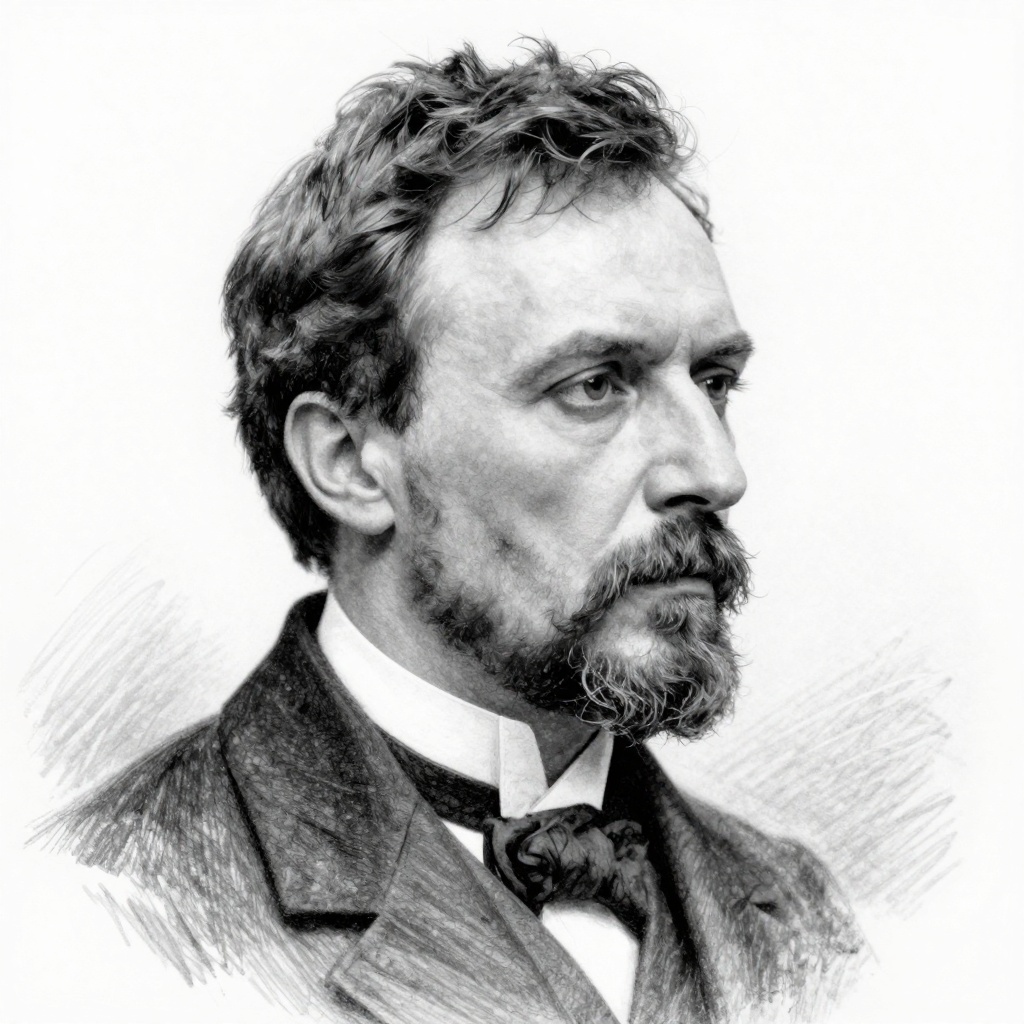
Comments