Quote · Added 15 February 2026
Knowledge is of no value unless you put it into practice.
No ratings yet
Quote · Added 15 February 2026
We live in an age of infinite information. You can learn how to be confident, productive, healthy, or creative in about thirty seconds of scrolling. And yet most of us feel stuck in the same patterns, wrestling with the same problems. The gap between knowing and doing has become almost comically wide—we're drowning in advice but thirsting for actual change.
Chekhov's point cuts through all the noise: knowledge without action is just entertainment for your brain. You can read every productivity book ever written, but if you're still checking email first thing in the morning, you've learned nothing that matters. The real knowledge—the kind that changes your life—only exists when you've actually lived it. It's the difference between understanding that exercise is good for you (trivial) and the embodied knowledge of what your body feels like after three weeks of consistent movement (transformative).
The non-obvious part? This means you might be better off with less information and more commitment to one small thing. Pick something you already know you should do, and do it messily and imperfectly for a week. That week of practice teaches you more than a year of reading ever could. Knowledge becomes real only when it costs you something—time, effort, discomfort—and you pay the price anyway.
1860–1904·lived 44 years
Anton Chekhov was a Russian playwright and short-story writer known for his works like "The Seagull," "Uncle Vanya," and "The Cherry Orchard." He is celebrated for his realistic depiction of human nature and his ability to capture the complexities of the Russian society during the late 19th and early 20th centuries. Chekhov's works have had a profound influence on modern theater and literature.
Also by Anton Chekhov
It is compassion that moves us beyond numbness toward healing.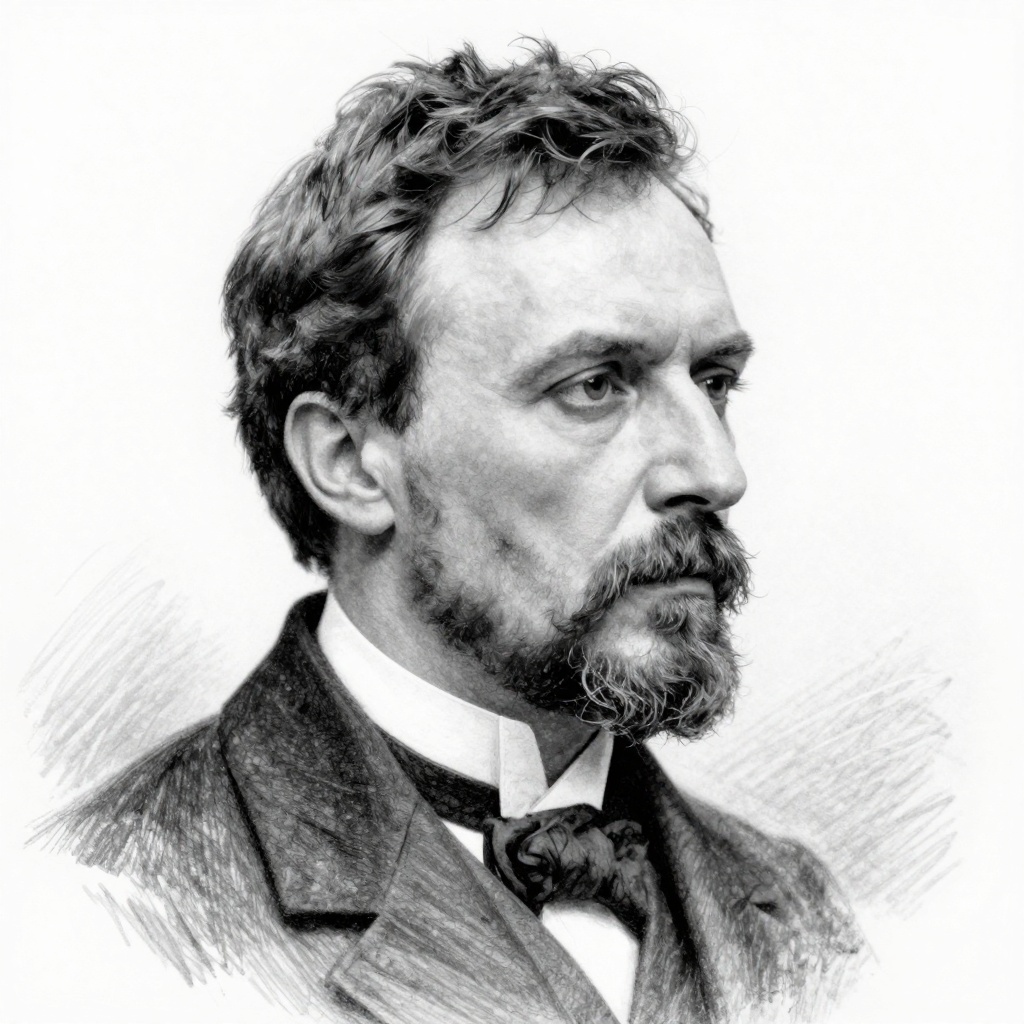
Comments