Quote · Added 14 February 2026
The evil that men do lives after them; the good is oft interred with their bones.
William ShakespeareJulius Caesar, Act 3, Scene 2
Quote · Added 14 February 2026
We spend enormous energy trying to build a good reputation, yet somehow the nasty thing we said in anger gets remembered for years while the time we quietly helped someone often gets forgotten almost immediately. Shakespeare's observation cuts at something brutally unfair about human nature: negativity has a longer shelf life than kindness.
Part of this is just how our brains work. Bad news sticks because it signals danger—evolution wired us to remember threats more vividly than acts of generosity. But there's something else too. When someone does something harmful, they often do it loudly or publicly, leaving witnesses and stories to retell. Good deeds, by contrast, tend to be quieter. The parent who shows up for their kid every single day doesn't announce it; the person who breaks a promise creates a dramatic rupture everyone talks about.
The real sting of this quote isn't that it's inevitable, though. It's a warning dressed as observation. If we know the negative outlasts the positive in people's memory, maybe that changes how we should think about our own legacies. Maybe it means being deliberate about the good we do—not for credit, but because it takes intentional effort to leave a mark that outlasts our mistakes.
1564–1616·lived 52 years
William Shakespeare was an English playwright and poet, widely regarded as one of the greatest writers in the English language. Known for his iconic works such as "Romeo and Juliet," "Hamlet," and "Macbeth," Shakespeare's plays continue to be performed and studied around the world, showcasing his profound understanding of human nature and his timeless storytelling.
Also by William Shakespeare
Life is a tale told by an idiot, full of sound and fury, signifying nothing.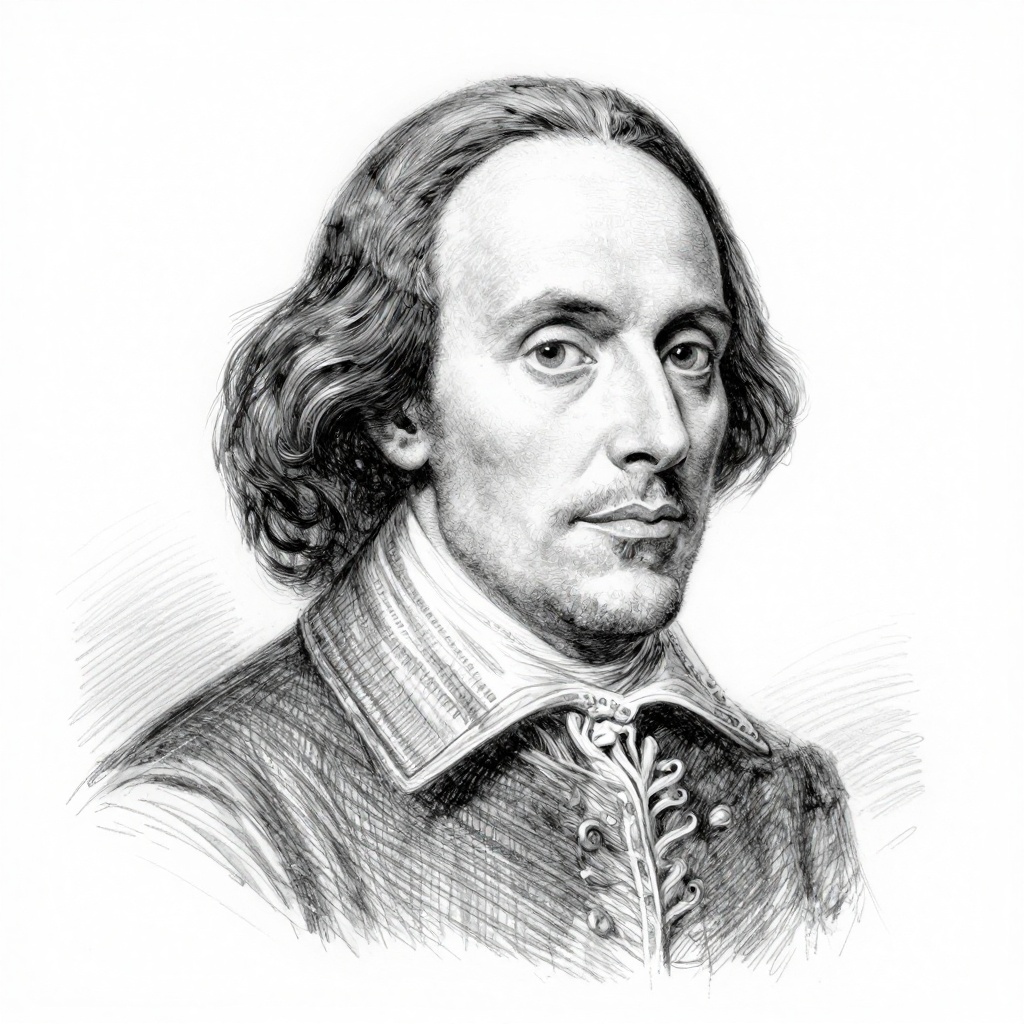
Comments