Quote · Added 14 February 2026
Sweet mercy is nobility's true badge.
William ShakespeareTitus Andronicus, Folio, 1623
Quote · Added 14 February 2026
We usually think of nobility as something inherited—a crown, a title, an old name. But Shakespeare is pointing at something more radical: true dignity comes from how you treat people when you have power over them. The person who's kind to the person they could easily dismiss or hurt is showing the real mark of a noble character.
This matters more now than ever, maybe, because we all have small pockets of power. You have authority over the barista who messes up your order, the junior colleague who needs your approval, the family member who depends on you. The instinct in those moments is often to use that power—to make someone feel small or to prove you're right. But mercy in those situations, the choice to be gentle when you could be harsh, is what actually reveals what you're made of.
The surprising part: Shakespeare isn't saying mercy makes you weak or naive. He's saying it's noble. It takes more strength to hold back criticism than to unleash it. It takes more character to show understanding when someone fails you than to punish them for it. That's not soft—it's the hardest kind of strength.
1564–1616·lived 52 years
William Shakespeare was an English playwright and poet, widely regarded as one of the greatest writers in the English language. Known for his iconic works such as "Romeo and Juliet," "Hamlet," and "Macbeth," Shakespeare's plays continue to be performed and studied around the world, showcasing his profound understanding of human nature and his timeless storytelling.
Also by William Shakespeare
Life is a tale told by an idiot, full of sound and fury, signifying nothing.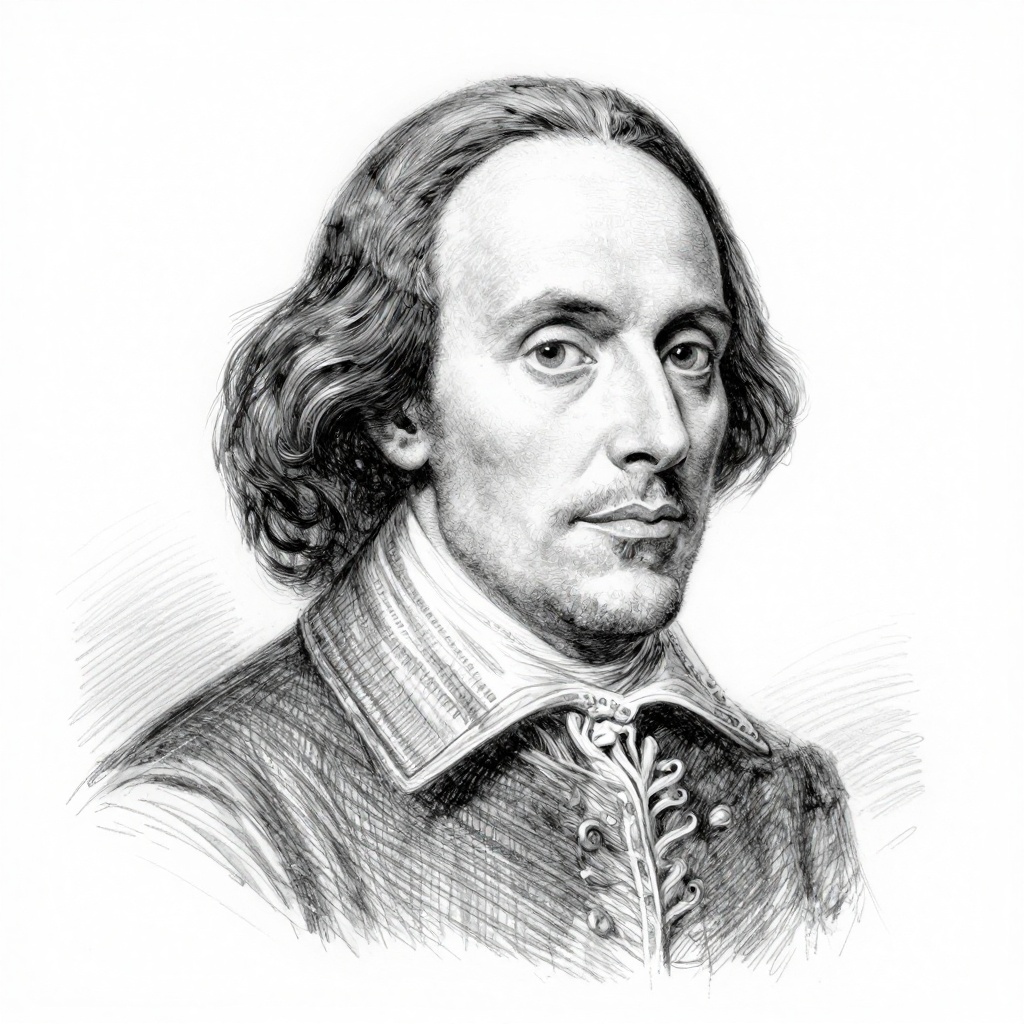
Comments