Quote · Added 14 February 2026
Some rise by sin, and some by virtue fall.
William ShakespeareMeasure for Measure, Act II, Scene I
Quote · Added 14 February 2026
We've been taught that goodness leads upward and wrongdoing pulls us down. But Shakespeare knew life rarely works that way. People cut corners and still climb—the colleague who takes credit for someone else's work, the entrepreneur who builds something real through ethically gray shortcuts, the person who lies their way into opportunities. Meanwhile, genuinely good people sometimes get stuck, exploited, or overtaken because they played by rules others ignored.
This doesn't mean virtue is pointless. It means the world doesn't automatically reward what's right, and sometimes success comes through paths that feel dirty. The uncomfortable truth is that consequence and reward aren't neatly matched to deserve. A person can do one wrong thing and accelerate their life. Another can be consistently decent and still get passed over.
What matters is recognizing this reality without letting it make you cynical about your own choices. You can't control whether integrity pays off immediately. But you can control whether you stay honest with yourself about what you're willing to do for advancement, and what that does to who you become. The real danger isn't falling despite virtue—it's rising through sin and discovering you've become someone you don't recognize.
1564–1616·lived 52 years
William Shakespeare was an English playwright and poet, widely regarded as one of the greatest writers in the English language. Known for his iconic works such as "Romeo and Juliet," "Hamlet," and "Macbeth," Shakespeare's plays continue to be performed and studied around the world, showcasing his profound understanding of human nature and his timeless storytelling.
Also by William Shakespeare
Life is a tale told by an idiot, full of sound and fury, signifying nothing.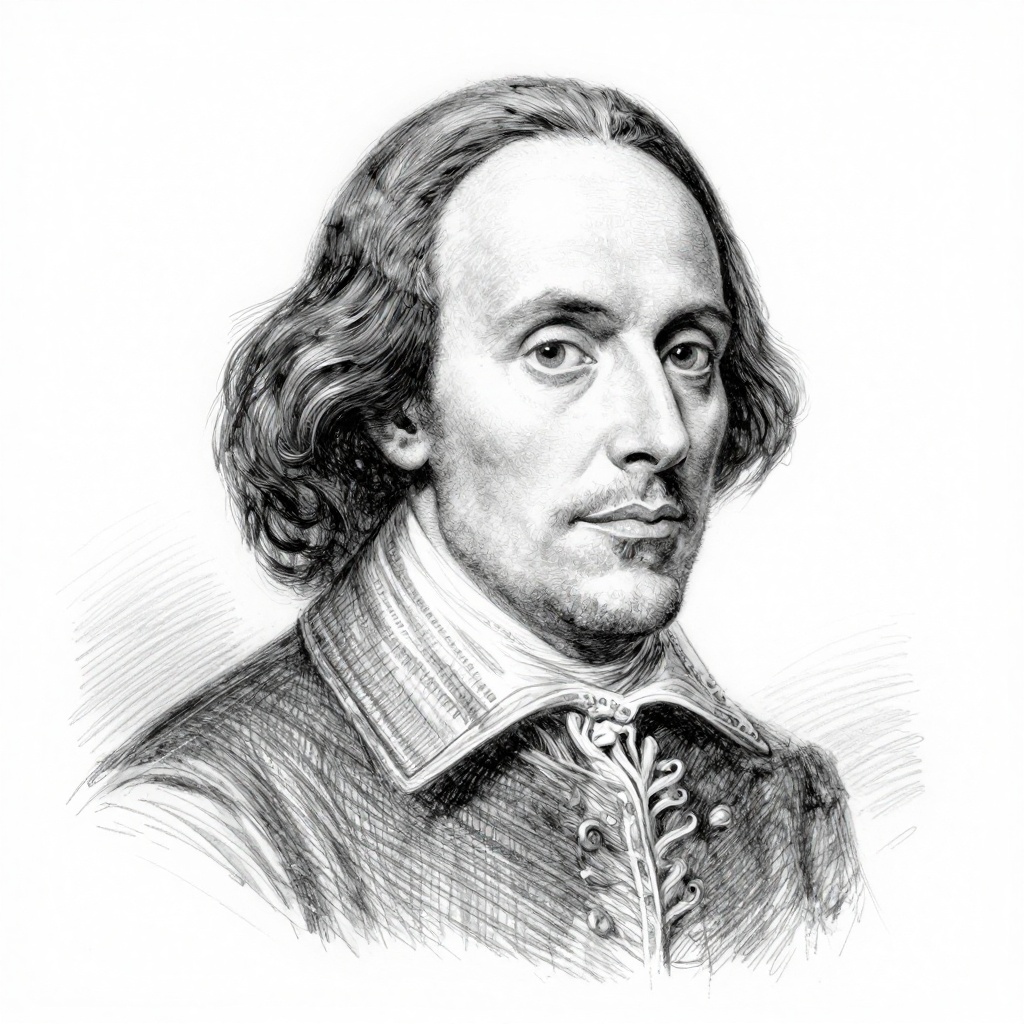
Comments