Quote · Added 27 December 2023
Proud people breed sad sorrows for themselves.
William ShakespeareWuthering Heights, Chapter 7, 1847
Filed underpride·sorrow·consequences
Quote · Added 27 December 2023
Filed underpride·sorrow·consequences
Pride is tricky because it feels like strength in the moment. When we're prideful, we're often defending something—our ego, our reputation, our need to be right. But Shakespeare saw what happens next: that defensive wall we build becomes a prison. The sorrows come quietly at first. We can't admit we were wrong, so we miss chances to fix things. We can't ask for help, so we suffer alone. We can't apologize, so relationships stay broken. Pride doesn't protect us; it just delays the reckoning.
What makes this especially relevant now is how visible our pride has become. Social media amplifies it—we perform confidence, we double down on positions, we rarely let ourselves be caught changing our minds. But the sadness Shakespeare describes shows up anyway. It's the loneliness of never being vulnerable, the exhaustion of always defending yourself, the regret of bridges you burned because you couldn't swallow your pride.
The non-obvious part is that pride often comes from insecurity, not strength. We cling hardest to being right about things we're secretly unsure about. The way out isn't humility for its own sake—it's recognizing that letting go of the performance, admitting mistakes, and asking for help are actually forms of courage. That's where the sorrow stops breeding itself.
1564–1616·lived 52 years
William Shakespeare was an English playwright and poet, widely regarded as one of the greatest writers in the English language. Known for his iconic works such as "Romeo and Juliet," "Hamlet," and "Macbeth," Shakespeare's plays continue to be performed and studied around the world, showcasing his profound understanding of human nature and his timeless storytelling.
Also by William Shakespeare
Life is a tale told by an idiot, full of sound and fury, signifying nothing.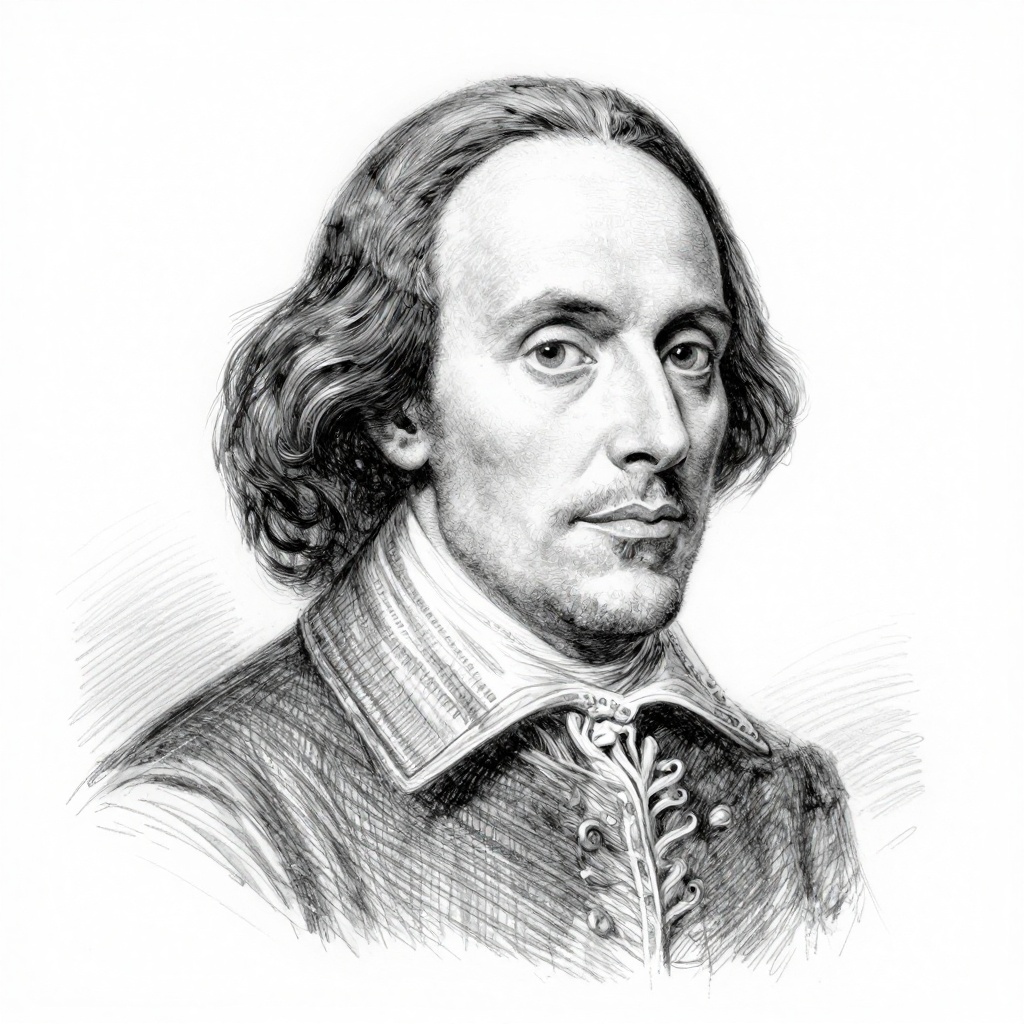
Comments