Quote · Added 26 June 2026
Explore
Reading
AI generatedConfidence Without the Competence
There's something almost liberating about this observation, because it cuts through the noise of modern life where confidence is constantly mistaken for competence. We've all noticed it: the person who talks the loudest in the meeting isn't always the sharpest, the influencer with the biggest ego sometimes has the thinnest actual skill set. Erasmus is pointing at something uncomfortable but true—when people lack real mastery, they often compensate with noise, attitude, and conviction, as if volume could substitute for substance.
What's particularly sharp here is the second part. It's not just that mediocre people are arrogant; it's that they find audiences. Social media has turbocharged this reality. You don't need genuine talent to gather admirers anymore—you just need confidence and an algorithm that rewards engagement. A genuinely skilled person might doubt themselves, refine their work quietly, worry about the gaps in their knowledge. Meanwhile, someone with half the ability broadcasts their opinions with absolute certainty and collects followers who validate them endlessly.
The real sting isn't judgment—it's recognition. The quote suggests we should be skeptical of authority and acclaim that arrives too easily, especially when it's wrapped in arrogance. Real skill tends to be quieter about itself.
The author
All 7 quotes by Desiderius Erasmus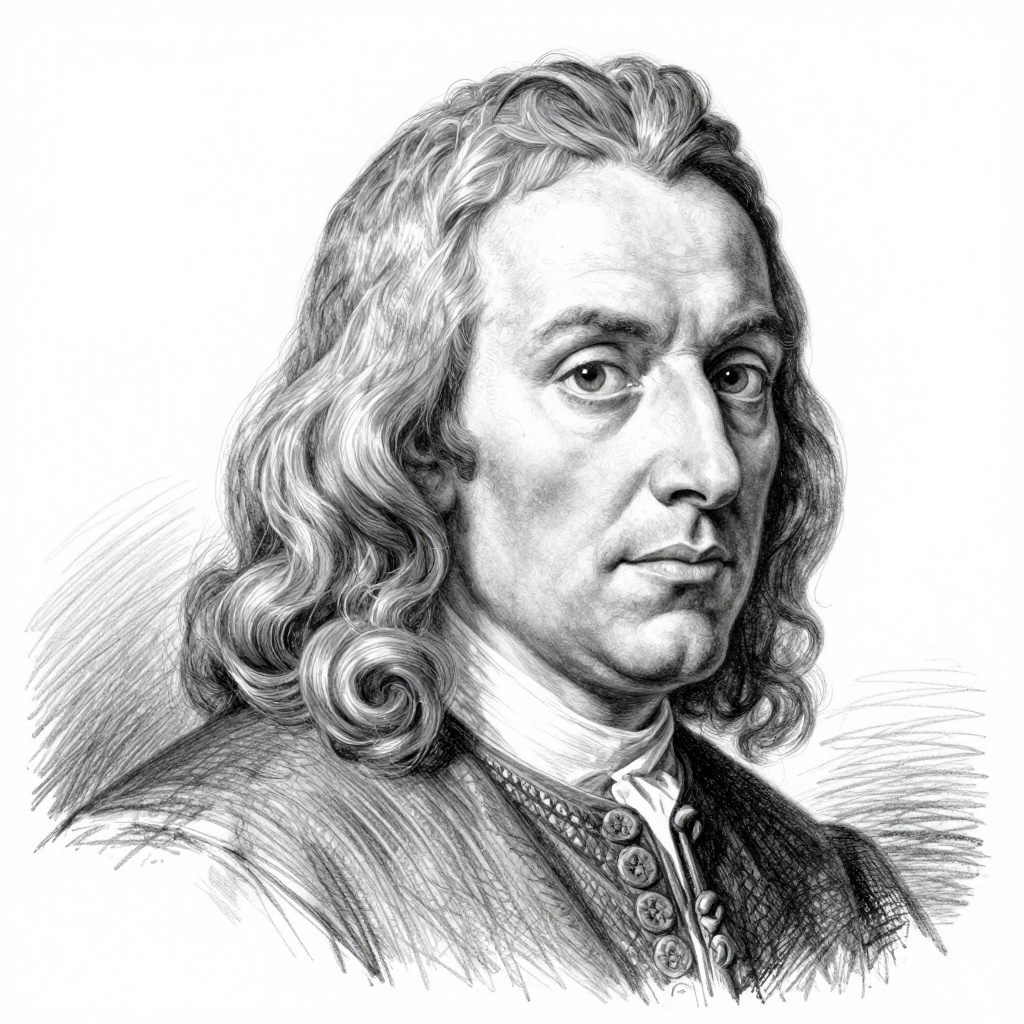
Desiderius Erasmus
1466–1536·lived 69 years
Desiderius Erasmus was a renowned Dutch Renaissance humanist, Catholic priest, and theologian. He is best known for his works that laid the foundation for the Protestant Reformation through his critiques of the Church and advocacy for religious reform. Erasmus was also a prolific writer, producing influential texts like "In Praise of Folly" and translating the New Testament into Greek.
Also by Desiderius Erasmus
Give light, and the darkness will disappear of itself.
Comments