Quote · Added 28 February 2026
Explore
Reading
AI generatedBuild something instead of fighting nothing
There's something almost magical about this reframing. Instead of fighting darkness head-on, Erasmus suggests you stop worrying about it entirely and just do the opposite thing. It's the difference between obsessing over your anxiety and building a life so full of meaningful work that anxiety has nowhere to root. Between arguing endlessly with someone and being so genuinely kind that cynicism loses its grip.
The practical wisdom here is that problems often dissolve not when we attack them directly but when we build something better in their place. A dark room doesn't need you to push the darkness out—it needs a lamp. A lonely person doesn't need to study their loneliness; they need connection. A struggling community doesn't need more think pieces about what's broken; it needs people showing up, doing good work, being present.
What makes this stick is that it actually works. When you stop making the problem the center of attention and instead focus your energy on creating something—whether that's knowledge, kindness, beauty, or belonging—the thing you were fighting against quietly disappears. The darkness was never really the issue. The absence of light was.
The author
All 7 quotes by Desiderius Erasmus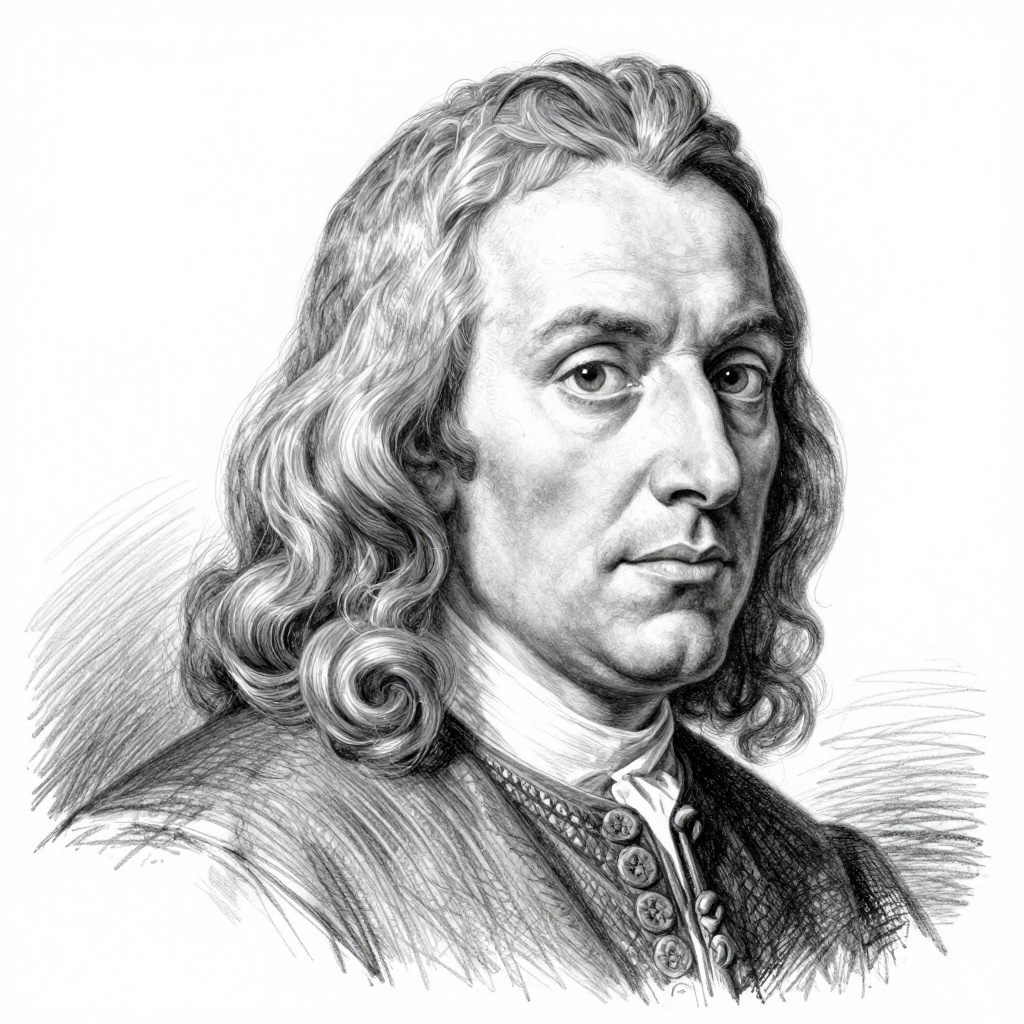
Desiderius Erasmus
1466–1536·lived 69 years
Desiderius Erasmus was a renowned Dutch Renaissance humanist, Catholic priest, and theologian. He is best known for his works that laid the foundation for the Protestant Reformation through his critiques of the Church and advocacy for religious reform. Erasmus was also a prolific writer, producing influential texts like "In Praise of Folly" and translating the New Testament into Greek.
Also by Desiderius Erasmus
The less talent they have, the more pride, vanity and arrogance they have. All these fools...
Comments