Quote · Added 14 February 2026
Our peace shall stand as firm as rocky mountains.
William ShakespeareHenry IV, Part 2, Act IV, Scene I, 1600
Quote · Added 14 February 2026
We live in an age of constant motion—shifting jobs, scrolling feeds, relationships that sometimes feel temporary. So when Shakespeare speaks of peace like rocky mountains, he's pointing at something we actually crave: stability that lasts. Not the fragile kind that depends on everything going right, but something rooted deep enough to weather storms.
The interesting thing is that Shakespeare isn't talking about finding peace by escaping the world. Rocky mountains don't exist in isolation; they're shaped by wind, rain, and time itself. They're solid precisely because they've endured difficulty. That reframes what we usually think peace should be. We often imagine it as the absence of problems—a smooth, undisturbed life. But real peace, the kind that actually holds up, comes from something more internal: conviction, values, or relationships strong enough to bend without breaking.
When you notice someone who seems genuinely calm even during chaos, they usually have that mountain-like quality. Not because their life is easier, but because they've built something in themselves or with others that doesn't collapse when pressure comes. That's the kind of peace worth aiming for—the kind that stands.
1564–1616·lived 52 years
William Shakespeare was an English playwright and poet, widely regarded as one of the greatest writers in the English language. Known for his iconic works such as "Romeo and Juliet," "Hamlet," and "Macbeth," Shakespeare's plays continue to be performed and studied around the world, showcasing his profound understanding of human nature and his timeless storytelling.
Also by William Shakespeare
Life is a tale told by an idiot, full of sound and fury, signifying nothing.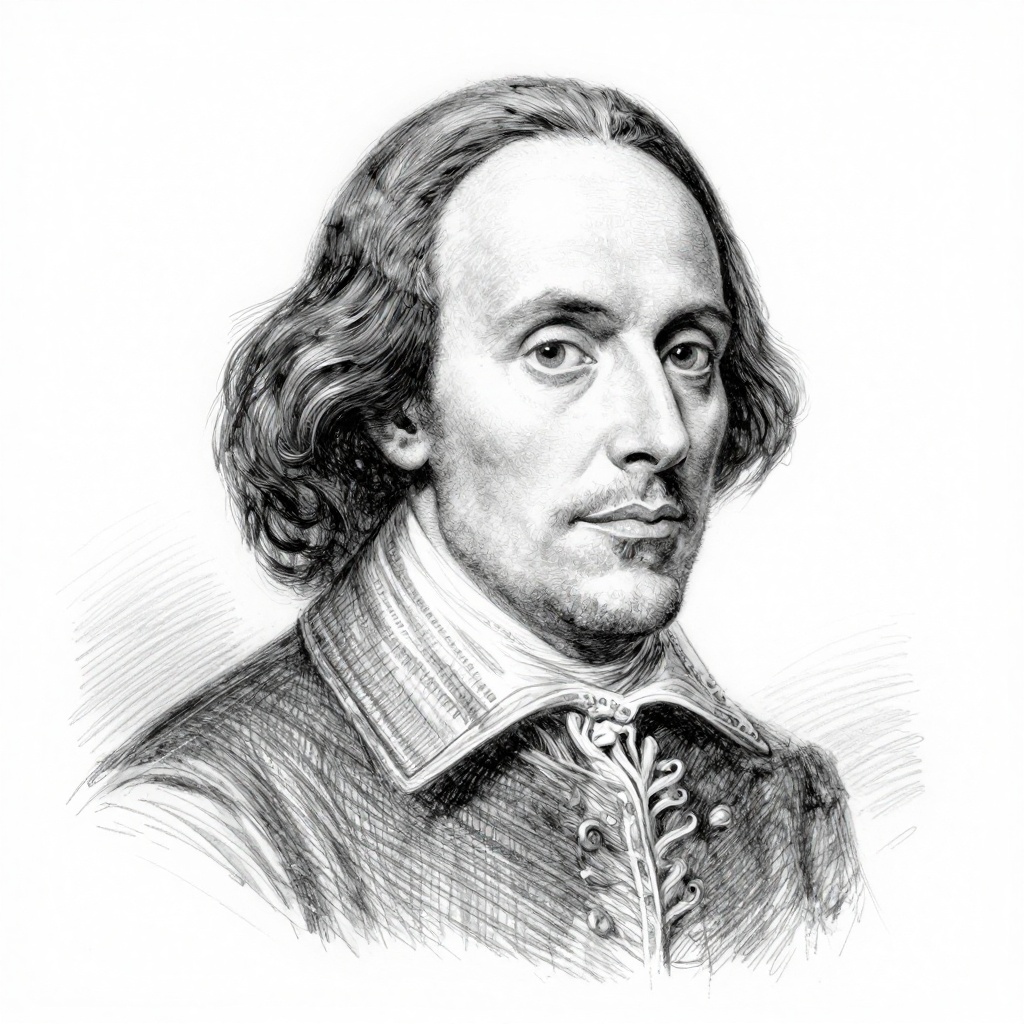
Comments