Without change there is no innovation, creativity, or incentive for improvement. Those who initiate change wil... — William Pollard

Without change there is no innovation, creativity, or incentive for improvement. Those who initiate change will have a better opportunity to manage the change that is inevitable.

Author: William Pollard

Insight: Change is one of those things everyone knows is necessary, yet we often resist it fiercely. We stick with familiar routines, relationships, and ways of thinking because they feel safe—even when we sense something needs to shift. Pollard's insight cuts through this tension by flipping the usual anxiety around change: the real risk isn't in initiating it, but in waiting for it to happen to you. Think about this in practical terms. Companies that slowly adapt their products stay competitive. People who actively work on their habits—whether that's learning a new skill or rethinking a stale relationship—tend to feel more in control of their lives. Those who resist until forced change crashes down on them? They're scrambling to catch up, usually from behind. The people who drive the change get to shape it, learn from it gradually, and position themselves for what comes next. What's slightly counterintuitive here is that this doesn't mean constantly chasing novelty or being reckless. It means noticing when something isn't working and having the courage to move first rather than wait. That proactive stance—even small improvements to daily habits or how you approach your work—creates a kind of momentum. You're not swept along by change; you're walking toward it with your eyes open.

Seize change before it seizes you

Without change there is no innovation, creativity, or incentive for improvement. Those who initiate change will have a better opportunity to manage the change that is inevitable.

Change is one of those things everyone knows is necessary, yet we often resist it fiercely. We stick with familiar routines, relationships, and ways of thinking because they feel safe—even when we sense something needs to shift. Pollard's insight cuts through this tension by flipping the usual anxiety around change: the real risk isn't in initiating it, but in waiting for it to happen to you.

Think about this in practical terms. Companies that slowly adapt their products stay competitive. People who actively work on their habits—whether that's learning a new skill or rethinking a stale relationship—tend to feel more in control of their lives. Those who resist until forced change crashes down on them? They're scrambling to catch up, usually from behind. The people who drive the change get to shape it, learn from it gradually, and position themselves for what comes next.

What's slightly counterintuitive here is that this doesn't mean constantly chasing novelty or being reckless. It means noticing when something isn't working and having the courage to move first rather than wait. That proactive stance—even small improvements to daily habits or how you approach your work—creates a kind of momentum. You're not swept along by change; you're walking toward it with your eyes open.

AI generated

Comments

Sign in to leave a comment or reply to one.

Sign in

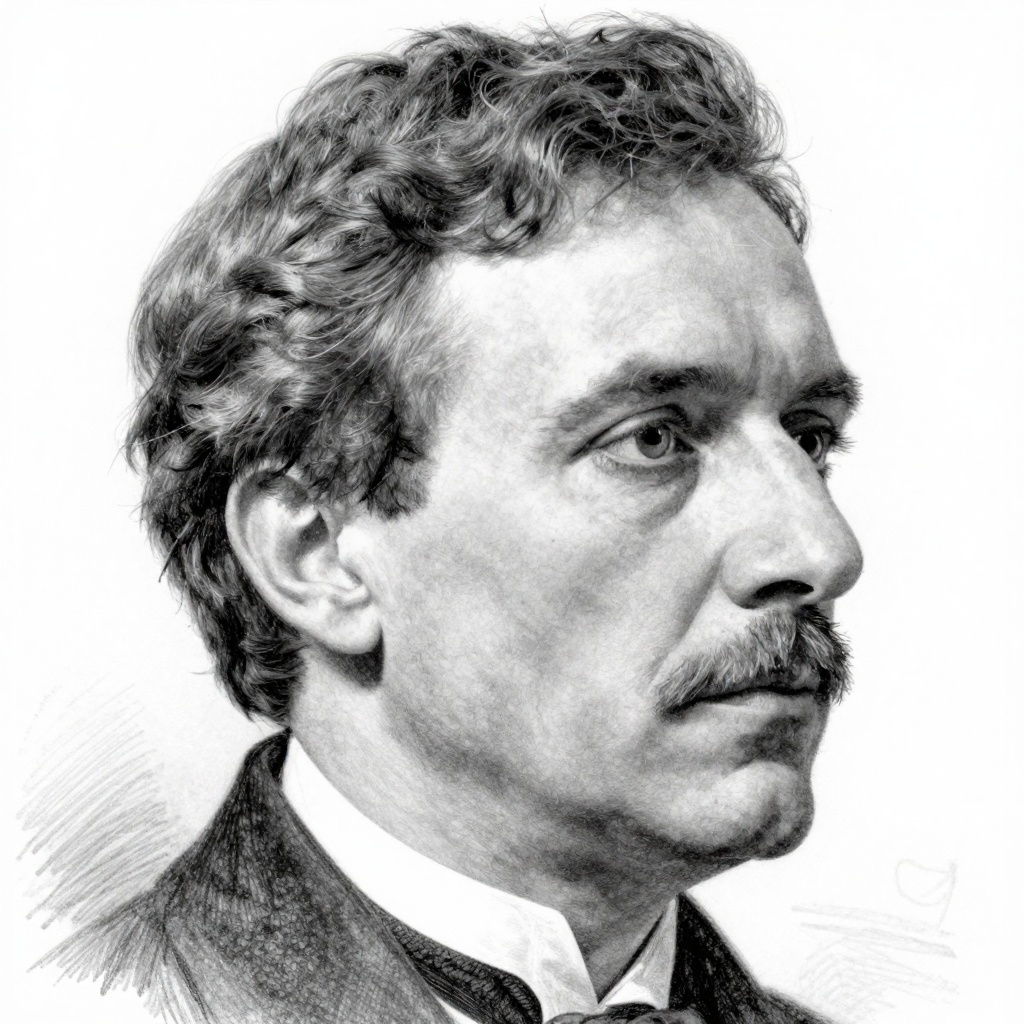
William Pollard

William Pollard was a prominent American physicist and entrepreneur, best known for his contributions to the fields of quantum physics and nanotechnology. He played a significant role in the development of advanced materials and was a key figure in the establishment of several innovative technology companies. Pollard's work has had a lasting impact on both academic research and commercial applications in science and engineering.

Graph

Related