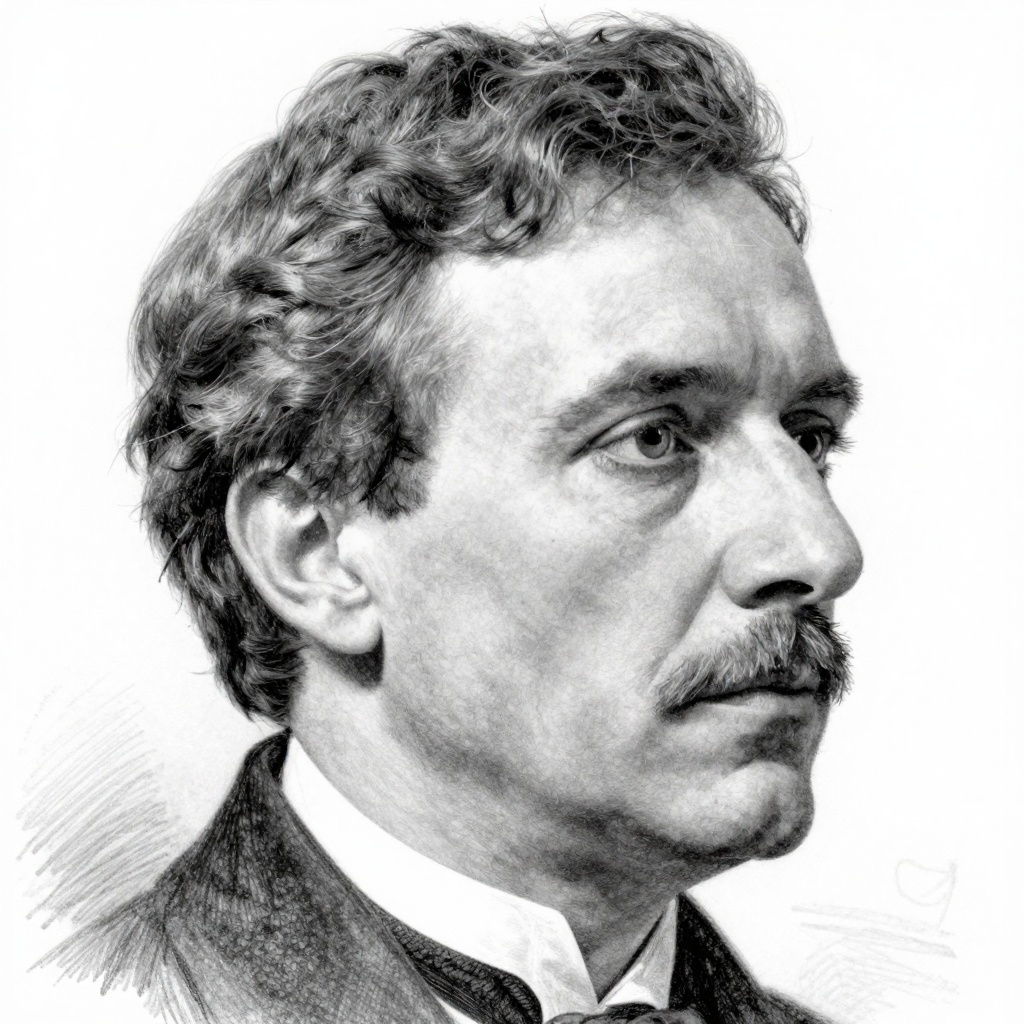
Information is a source of learning. But unless it is organized, processed, and available to the right people... — William Pollard

Information is a source of learning. But unless it is organized, processed, and available to the right people in a format for decision making, it is a burden, not a benefit.

Author: William Pollard

Insight: We live in an age of information abundance, which sounds like it should make us smarter. Instead, many of us feel buried. Your email overflows, your feeds never stop, your phone buzzes with notifications about things you didn't ask to know. The problem isn't that we lack facts—it's that facts without structure are just noise. A random collection of market data, health tips, or news headlines won't help you decide anything; it just creates anxiety and choice paralysis. What makes information actually useful is the thinking that comes before and after it. Someone has to decide what matters, arrange it in a way your brain can work with, and deliver it at the moment you need to act on it. A well-designed summary beats a thousand scattered reports. This is why your doctor asking specific questions before giving you results matters more than WebMD's entire database. Why a focused weekly report beats constant Slack updates. The skill isn't collecting more—it's curating better. This distinction matters because it shifts where the real work happens. We often think power comes from having access to everything, but actually it comes from knowing what to ignore and how to present what remains. In a world drowning in data, organized thinking becomes the actual scarcity.

When data drowns out decision making

Information is a source of learning. But unless it is organized, processed, and available to the right people in a format for decision making, it is a burden, not a benefit.

We live in an age of information abundance, which sounds like it should make us smarter. Instead, many of us feel buried. Your email overflows, your feeds never stop, your phone buzzes with notifications about things you didn't ask to know. The problem isn't that we lack facts—it's that facts without structure are just noise. A random collection of market data, health tips, or news headlines won't help you decide anything; it just creates anxiety and choice paralysis.

What makes information actually useful is the thinking that comes before and after it. Someone has to decide what matters, arrange it in a way your brain can work with, and deliver it at the moment you need to act on it. A well-designed summary beats a thousand scattered reports. This is why your doctor asking specific questions before giving you results matters more than WebMD's entire database. Why a focused weekly report beats constant Slack updates. The skill isn't collecting more—it's curating better.

This distinction matters because it shifts where the real work happens. We often think power comes from having access to everything, but actually it comes from knowing what to ignore and how to present what remains. In a world drowning in data, organized thinking becomes the actual scarcity.

AI generated

Comments

Sign in to leave a comment or reply to one.

Sign in

William Pollard

William Pollard was a prominent American physicist and entrepreneur, best known for his contributions to the fields of quantum physics and nanotechnology. He played a significant role in the development of advanced materials and was a key figure in the establishment of several innovative technology companies. Pollard's work has had a lasting impact on both academic research and commercial applications in science and engineering.

Graph

Related