Quote · Added 10 February 2026
To be wholly devoted to some intellectual exercise is to have succeeded in life.
William OslerThe student life, 1910
Quote · Added 10 February 2026
There's something radical about this idea, especially now when we're taught to optimize everything—our careers, our side hustles, our personal brands. Osler isn't saying you need to be famous or rich or recognized. He's saying that if you've found something that genuinely absorbs you, something you can lose yourself in, you've already won. That's the whole game.
The tricky part is that "wholly devoted" doesn't mean obsessed in a frantic way. It's the opposite of that nagging feeling of doing something half-heartedly while your mind wanders elsewhere. It's the engineer who thinks in code even in the shower, the gardener who notices soil composition on her walks, the person reading philosophy at midnight because they can't stop. Those moments when the work and the person become almost the same thing.
What makes this quietly revolutionary is that it suggests fulfillment isn't about external validation. You don't need the promotion or the audience or the paycheck to have succeeded. You just need to have found something—anything—that makes you forget to check the time. Most people spend their lives searching for that feeling, never realizing it's the only success that actually lasts.
1849–1919·lived 70 years
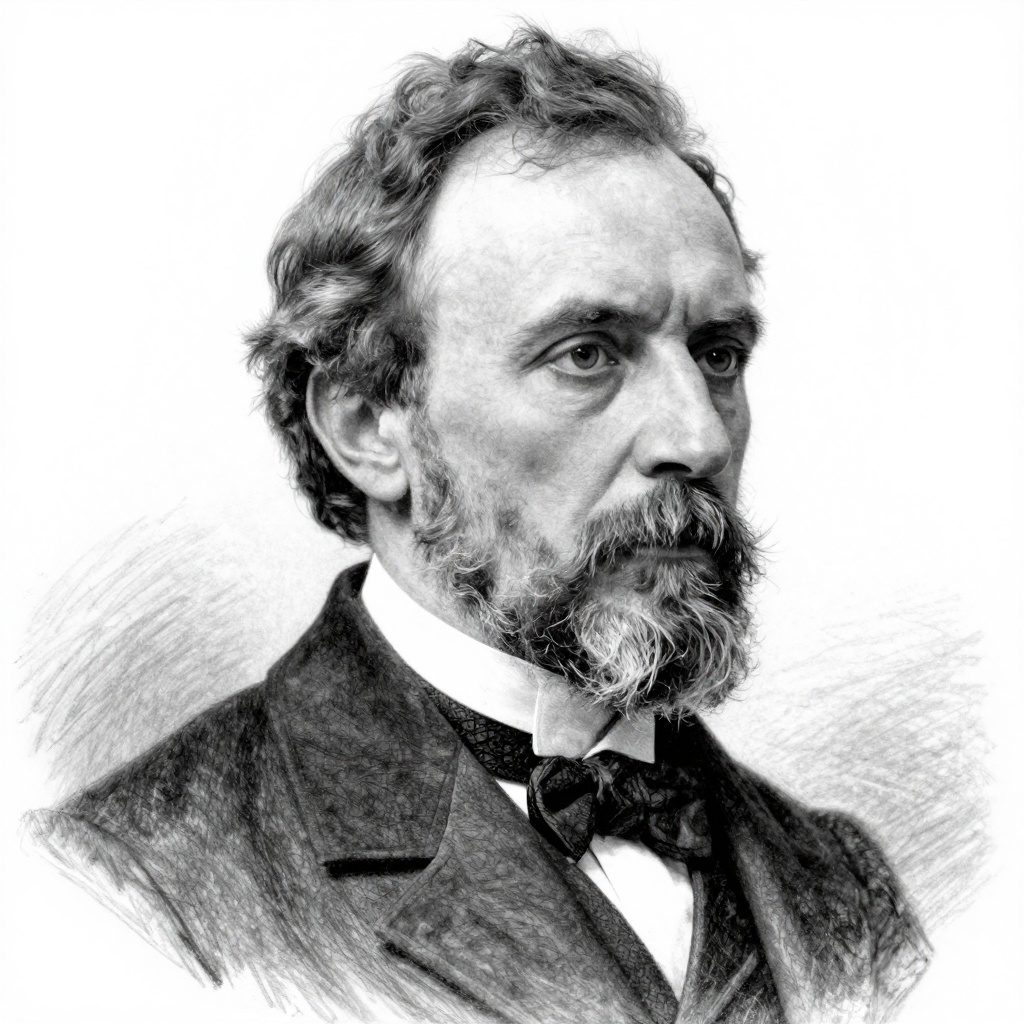
William Osler was a Canadian physician and one of the four founding professors of Johns Hopkins Hospital. He is known as the "Father of modern medicine" for revolutionizing medical education by focusing on bedside clinical training and the importance of patient care. Osler's textbook "The Principles and Practice of Medicine" is considered a classic in the medical field.
Comments