Quote · Added 29 June 2024
The faculty of voluntarily bringing aback a wandering attention, over and over again, is the very root of the judgement, character, and will.
William JamesThe Principles of Psychology, p. 424, 1890
Quote · Added 29 June 2024
We live in an age that treats attention like a commons—freely grabbed by notifications, algorithms, and our own impulses. But William James understood something we're rediscovering the hard way: the ability to notice your mind has wandered and pull it back isn't just about focus. It's the foundation of who you actually become.
Think about it. Every time you catch yourself scrolling mindlessly and choose to stop, or notice your thoughts spiraling in worry and deliberately redirect them, you're not just being disciplined—you're literally building your character. Each small act of recalling your attention is a vote for the person you want to be. The person who stays present in a conversation instead of mentally rehearsing what they'll say next. The person who can sit with a difficult feeling rather than numbing it. That's not willpower in the dramatic sense. It's the quiet, unglamorous work of choosing, again and again.
The surprise here is that James isn't talking about raw mental strength. He's saying judgment—your ability to think clearly—and actual character develop through this repeated, almost humble practice. You don't become thoughtful or principled through one grand decision. You become it by bringing your attention back, again and again, until it becomes who you are.
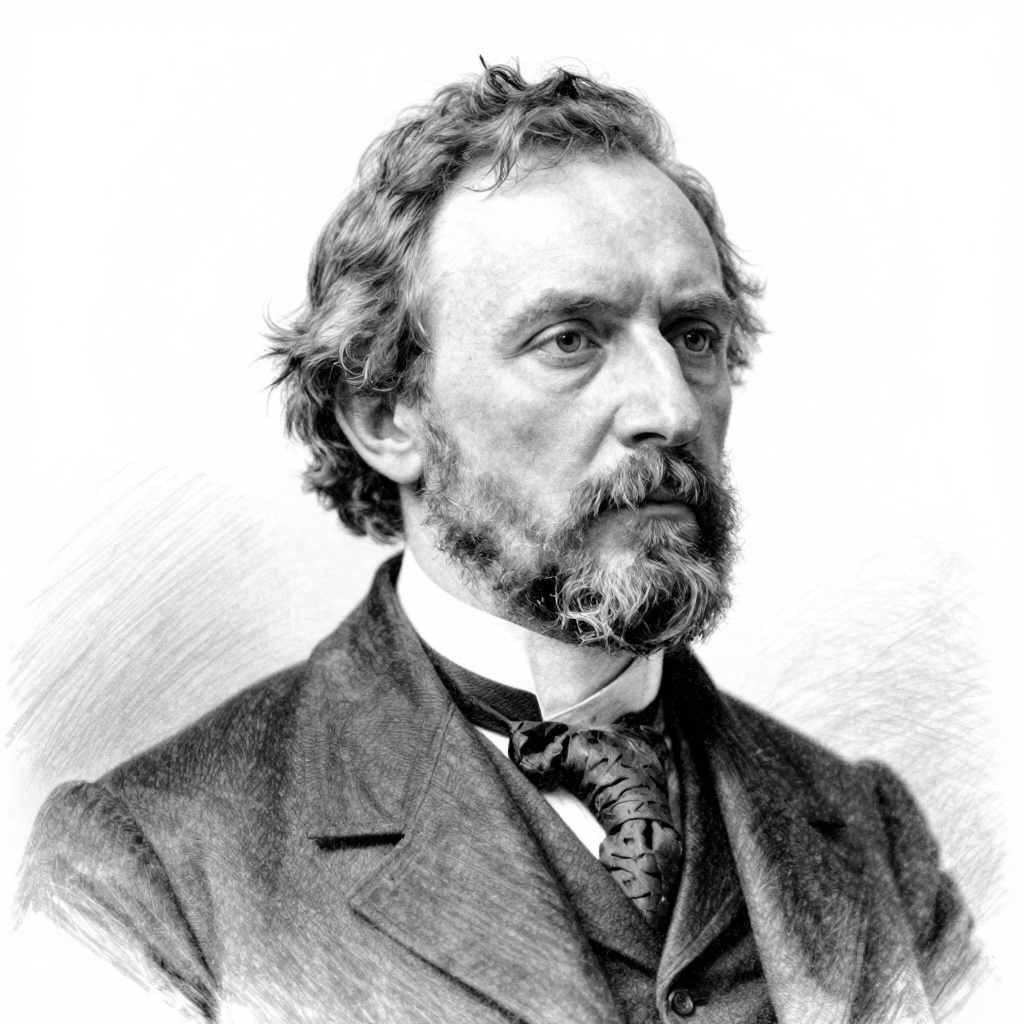
d. 1910
William James was an American philosopher and psychologist, often regarded as one of the most influential thinkers of the late 19th and early 20th centuries. Known as the "Father of American psychology," he was a pioneer in the development of pragmatism and his work explored the realms of consciousness, free will, and the nature of belief.
Comments