Quote · Added 15 February 2026
Reading
AI generatedYour attitude shapes what you see
Most of us treat our circumstances like fixed objects we can't move. We blame our job, our past, our personality type, or our luck for where we've ended up. But what James was pointing at is stranger and more useful: the invisible filter through which you see everything might be doing more work than the actual situation itself. Two people in identical circumstances will have wildly different experiences based on what they believe is possible or what they're paying attention to.
This doesn't mean positive thinking solves everything or that your struggles are your fault. It means that between any situation and your response to it, there's a gap where your attitude lives—and you actually have more control there than you think. Someone stuck in a boring job might see it as a dead end or as a puzzle to solve. Someone going through a difficult period might spiral or might become curious about what they'll discover. The circumstances barely changed; the attitude did.
The practical twist is that you don't have to transform your whole life first. You can start by shifting how you think about one small thing today—one frustration, one limitation, one story you keep telling yourself. James knew that real change rarely begins with grand gestures. It begins with noticing where your attitude is working against you, then trying on a different one to see what becomes visible.
The author
All 19 quotes by William James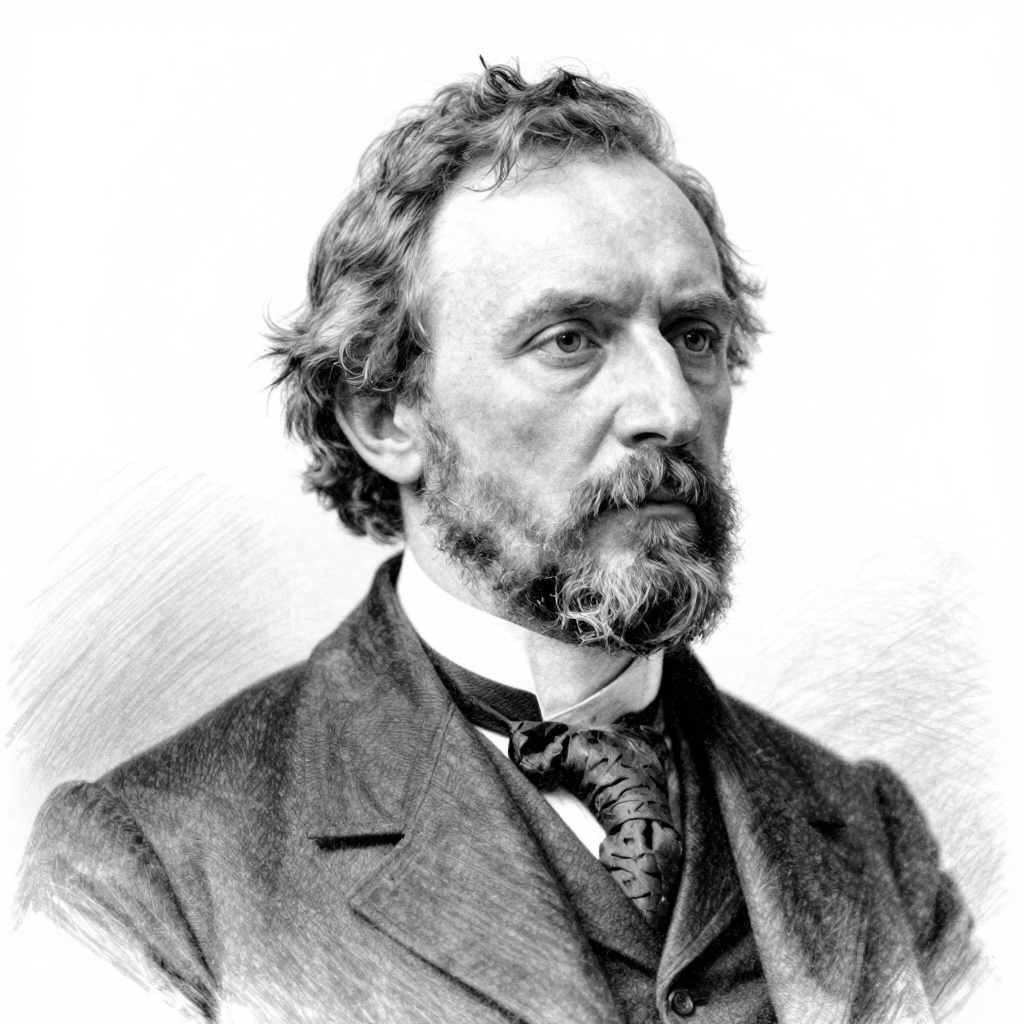
William James
d. 1910
William James was an American philosopher and psychologist, often regarded as one of the most influential thinkers of the late 19th and early 20th centuries. Known as the "Father of American psychology," he was a pioneer in the development of pragmatism and his work explored the realms of consciousness, free will, and the nature of belief.
Comments