Quote · Added 28 February 2026
It is our attitude at the beginning of a difficult task which, more than anything else, will affect its successful outcome.
Filed underattitude·success·perspective
Quote · Added 28 February 2026
Filed underattitude·success·perspective
We often blame circumstances for our failures—the wrong timing, bad luck, the project being harder than expected. But what actually determines whether we push through or give up usually happens before we even start. That initial moment when you decide to tackle something difficult is where the real battle lives. If you approach it thinking "this might actually work" versus "this is probably going to be a mess," you're already changing what's possible.
This matters because attitude isn't just motivation fluff—it literally changes how your brain works. When you expect difficulty but feel capable, you problem-solve differently. You notice solutions instead of just obstacles. You're more willing to try multiple approaches rather than giving up after the first setback. The person who starts a hard conversation, a tough project, or a big life change with dread and resignation has already handicapped themselves before anything goes wrong.
The sneaky part is that you don't need to feel confident to adopt a useful attitude. You just need to decide whether you're going to treat the difficulty as evidence that you should quit, or as evidence that it matters. That choice—made quietly, right at the beginning—ripples through every decision that follows.
d. 1910
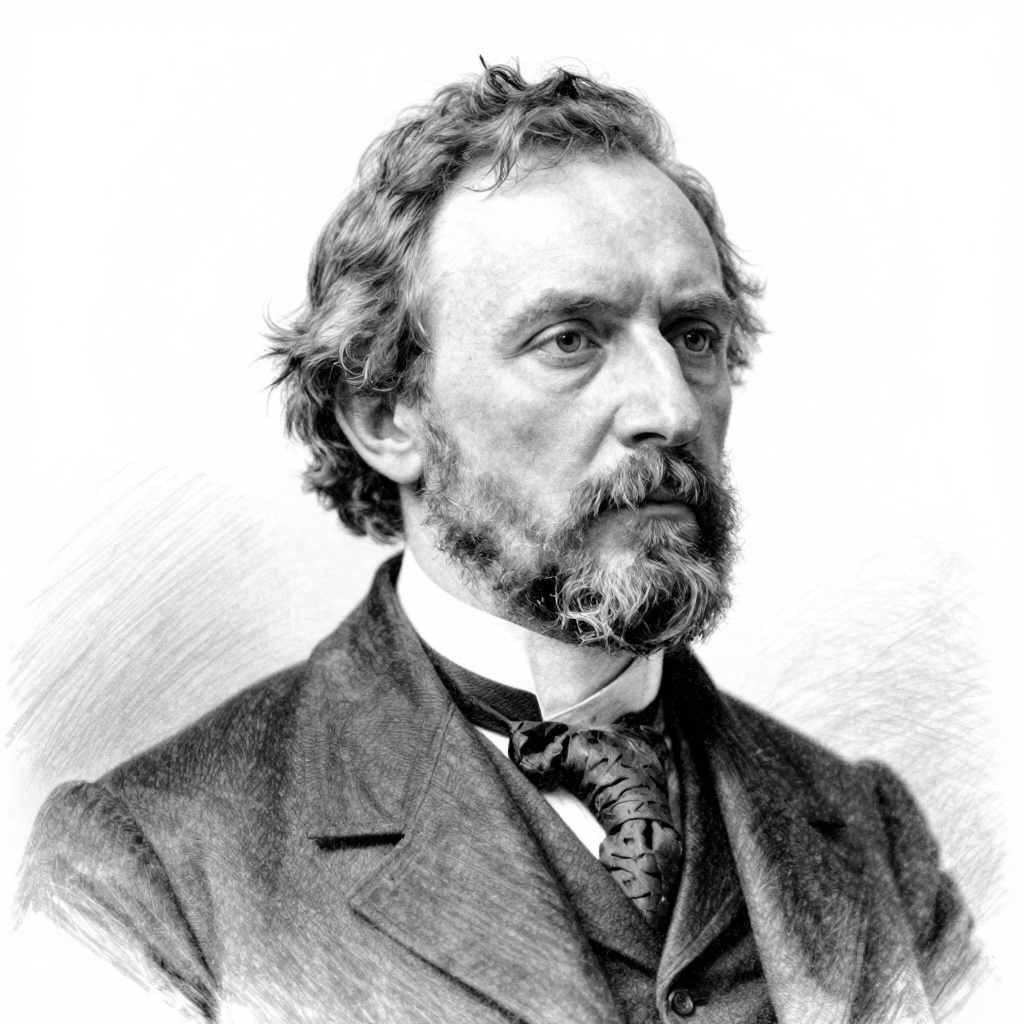
William James was an American philosopher and psychologist, often regarded as one of the most influential thinkers of the late 19th and early 20th centuries. Known as the "Father of American psychology," he was a pioneer in the development of pragmatism and his work explored the realms of consciousness, free will, and the nature of belief.
Comments