Quote · Added 28 February 2026
Reading
AI generatedThe Hidden Cost of Ownership
We spend so much energy acquiring things—the right apartment, the perfect wardrobe, the newest gadget—convinced that each purchase is a step toward freedom. But there's a trap built into this logic. Once you own something, it owns you back. You worry about losing it, protecting it, upgrading it, paying for it. That fancy car demands maintenance and insurance. The expensive house needs constant upkeep. Your possessions become obligations disguised as prizes.
Compare this to someone who builds their life around doing something—learning an instrument, building relationships, creating, solving problems, staying physically active. Or simply being—being present with people, being curious, being honest about who you actually are. These pursuits don't demand maintenance fees. They actually expand your choices rather than narrow them. A skill you develop can't be repossessed. Time spent with someone you love isn't something you need to store or insure.
The counterintuitive part is that we often pursue having because we think it will free us from anxiety. But it actually creates more. Meanwhile, people deeply engaged in meaningful work or authentic relationships tend to report feeling less trapped, even when they own less. Freedom, it turns out, isn't about what fills your closet. It's about what fills your time and attention.
The author
All 19 quotes by William James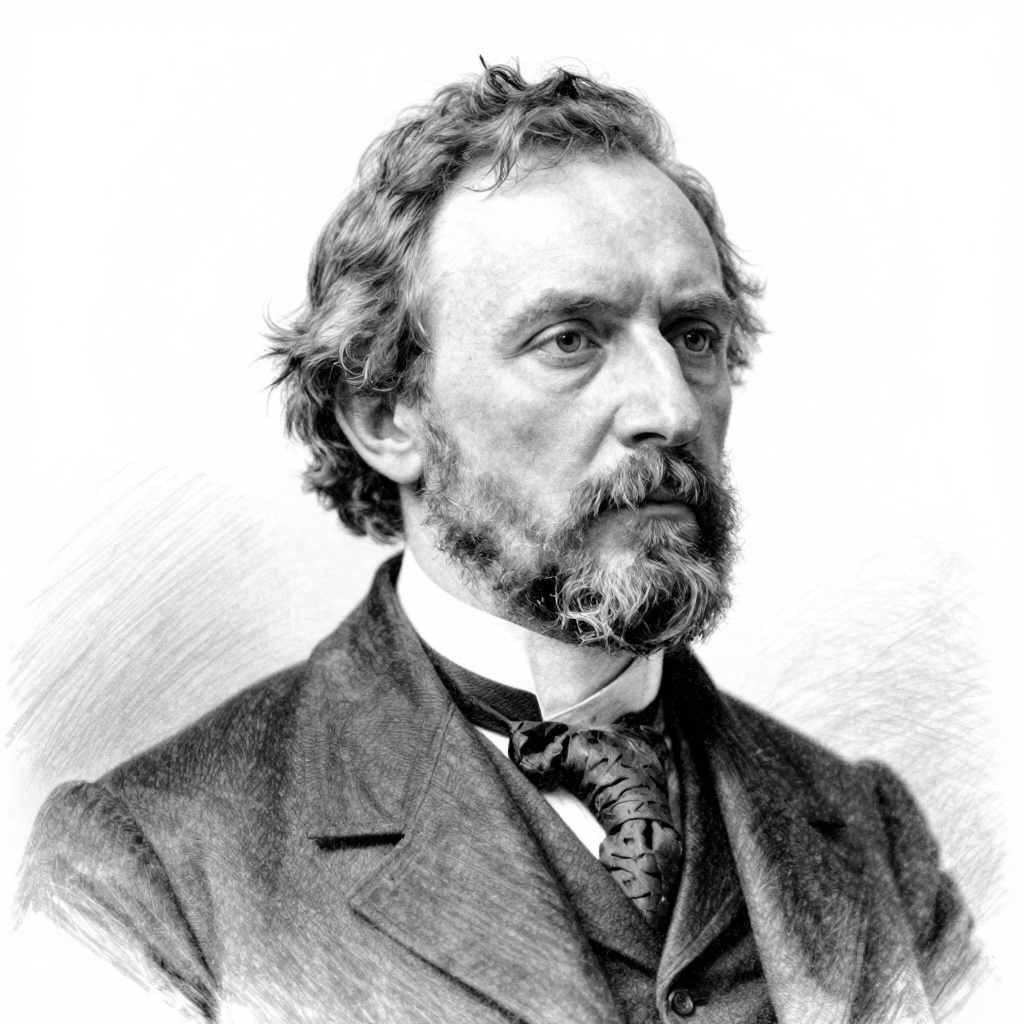
William James
d. 1910
William James was an American philosopher and psychologist, often regarded as one of the most influential thinkers of the late 19th and early 20th centuries. Known as the "Father of American psychology," he was a pioneer in the development of pragmatism and his work explored the realms of consciousness, free will, and the nature of belief.
Comments