Quote · Added 28 October 2023
The art of life is to know how to enjoy a little and to endure very much.
William HazlittThe Round Table. A collection of Essays, 1817
Quote · Added 28 October 2023
Most of us wait for the perfect vacation, the ideal job, the moment when everything finally clicks before we let ourselves feel good. But Hazlitt is pointing at something more practical: the real skill isn't achieving greatness—it's finding genuine pleasure in small, ordinary things while you're stuck in the harder parts.
Think about your actual life right now. You're probably dealing with something tedious—a commute, a difficult relationship, financial strain, uncertainty about the future. And somewhere in there are tiny moments: good coffee, a song you like, a friend's text, five minutes of sun. Most people either dismiss these as insignificant compared to their problems, or they obsess over them as escapes. Hazlitt suggests a third way: take real satisfaction from the small stuff without pretending it solves everything. The art is in this balance.
The surprising part is that this actually builds resilience. People who can genuinely enjoy a simple thing aren't constantly running on fumes—they're restoring themselves in real time. Meanwhile, those waiting for perfect conditions to be happy often burn out when hard things arrive. You need both skills: the ability to extract real warmth from what's available, and the backbone to handle what you can't avoid. That's not settling. That's wisdom.
1778–1830·lived 52 years
William Hazlitt (1778–1830) was an English essayist, drama and literary critic, painter, social commentator, and philosopher. Known for his insightful and passionate writing style, Hazlitt's essays and criticism on art, literature, and politics are considered some of the finest in English literature, influencing later writers and thinkers.
Also by William Hazlitt
To be happy, we must be true to nature and carry our age along with us.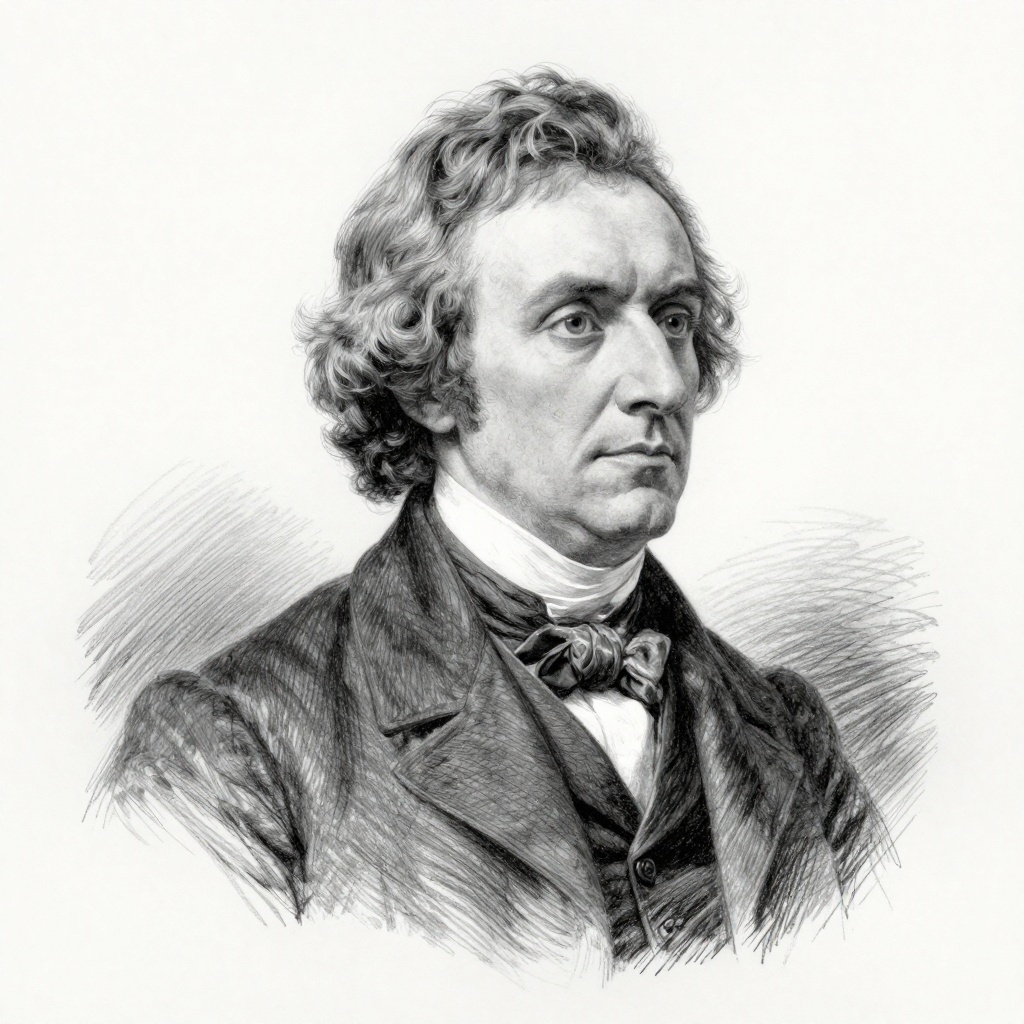
Comments