Quote · Added 10 February 2026
The more we do, the more we can do.
William HazlittThe Spirit of the Age, 1825
Quote · Added 10 February 2026
There's something counterintuitive about this idea that seems backward at first. We'd expect that doing more things would exhaust us, leaving us with less capacity. But anyone who's actually tried to build momentum knows the truth: stagnation drains you far more than purposeful action does. When you're moving, you generate energy. When you're stuck, everything feels heavier.
This works partly because doing builds capability. Each small task you complete teaches your brain and body how to do the next one faster. You develop routines, you learn what works, you stop overthinking. But there's also a psychological trick at play. Action fights the inertia that makes us feel stuck and powerless. The person who hasn't written today feels anxious about writing. The person who's already written three pages sits down for a fourth because they're already warm. Momentum is self-reinforcing.
The trap most of us fall into is waiting to feel ready or waiting for the perfect conditions. We tell ourselves we'll be more productive when we have more time, or when life settles down, or when we feel more motivated. Meanwhile, doing less actually creates less capacity, not more. The real path forward isn't about finding more energy. It's about starting anyway, and letting that first action prove to you what's possible.
1778–1830·lived 52 years
William Hazlitt (1778–1830) was an English essayist, drama and literary critic, painter, social commentator, and philosopher. Known for his insightful and passionate writing style, Hazlitt's essays and criticism on art, literature, and politics are considered some of the finest in English literature, influencing later writers and thinkers.
Also by William Hazlitt
To be happy, we must be true to nature and carry our age along with us.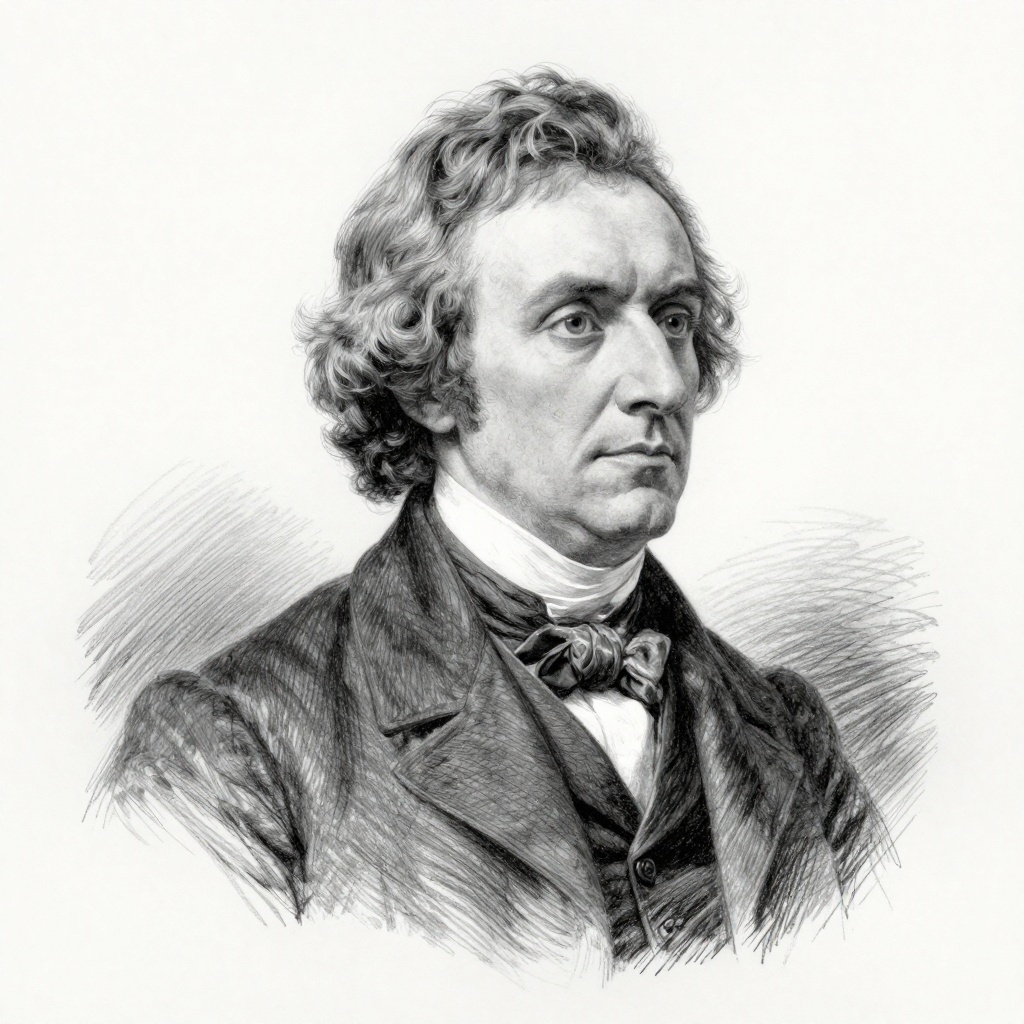
Comments