Quote · Added 15 February 2026
To be happy, we must be true to nature and carry our age along with us.
Filed undernature·happiness·authenticity
Quote · Added 15 February 2026
Filed undernature·happiness·authenticity
Most of us spend energy fighting what's natural about ourselves—our temperament, our pace, our genuine interests—trying to match some external ideal instead. Hazlitt's point cuts deeper than just "be yourself." He's saying that pretending to be someone else or someone from another era drains happiness right out of you. When you try to live like a Victorian when you're a modern person, or act perpetually young when you're genuinely growing older, you're working against yourself constantly. That's exhausting.
The phrase "carry our age along with us" is the real insight here. It doesn't mean accepting decline or giving up. It means acknowledging where you actually are in life and working with that reality rather than against it. A 50-year-old who's still competing on a 25-year-old's terms isn't being wise—they're being at war with themselves. The same goes for trying to force interests you've outgrown or ignoring the experience you've actually accumulated.
There's something quietly radical in this: happiness isn't about becoming a better version of some imaginary ideal you. It's about showing up honestly as the particular person you are, right now, in your actual era. That alignment between who you are and how you're living might be the most underrated path to contentment most of us never think to take.
1778–1830·lived 52 years
William Hazlitt (1778–1830) was an English essayist, drama and literary critic, painter, social commentator, and philosopher. Known for his insightful and passionate writing style, Hazlitt's essays and criticism on art, literature, and politics are considered some of the finest in English literature, influencing later writers and thinkers.
Also by William Hazlitt
A wise traveler never despises his own country.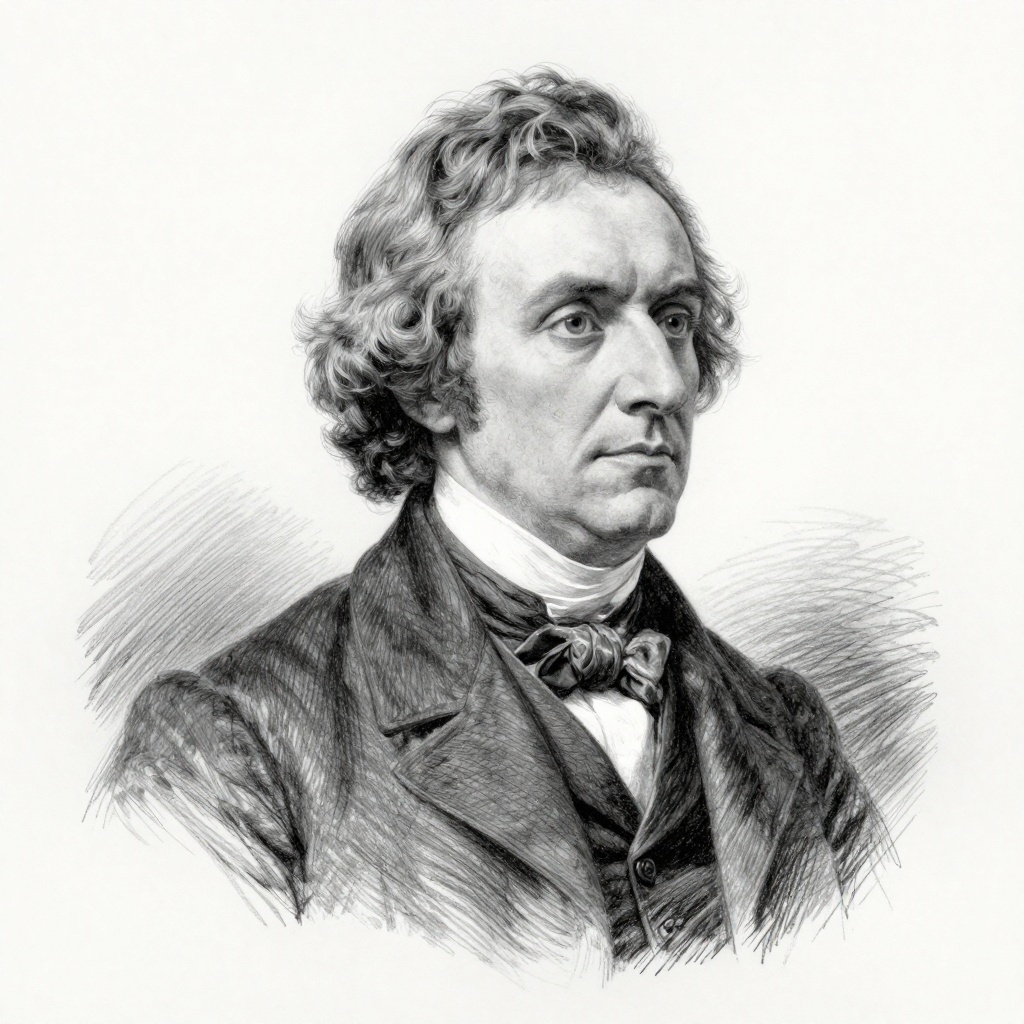
Comments