Quote · Added 14 February 2026
He will never have true friends who is afraid of making enemies.
William HazlittSelected Essays, 1778-1830
Filed underfriends·courage·relationships
Quote · Added 14 February 2026
Filed underfriends·courage·relationships
We often think friendship and conflict live in different worlds—that truly close people should just naturally get along without friction. But real friendship actually requires the opposite: a willingness to have opinions that might clash, to say no, to disagree out loud. Someone who's terrified of making enemies usually does this by never taking a real stand around anyone. They agree with whoever's in the room. They smooth over every rough edge. What they're really doing is avoiding intimacy.
The people who end up with genuine friendships aren't necessarily the nicest or most agreeable. They're often the ones who'll tell you something difficult because they care more about honesty than comfort. They're willing to lose the casual acquaintance who only wanted them to perform agreeableness. This doesn't mean being needlessly combative—it means accepting that real connection means sometimes creating small friction. You can't be fully yourself with someone you're constantly managing. And you can't have friends who know and accept the real you if you've never let anyone see it.
The irony is that fearing enemies usually means ending up with fewer genuine friends, not more.
1778–1830·lived 52 years
William Hazlitt (1778–1830) was an English essayist, drama and literary critic, painter, social commentator, and philosopher. Known for his insightful and passionate writing style, Hazlitt's essays and criticism on art, literature, and politics are considered some of the finest in English literature, influencing later writers and thinkers.
Also by William Hazlitt
To be happy, we must be true to nature and carry our age along with us.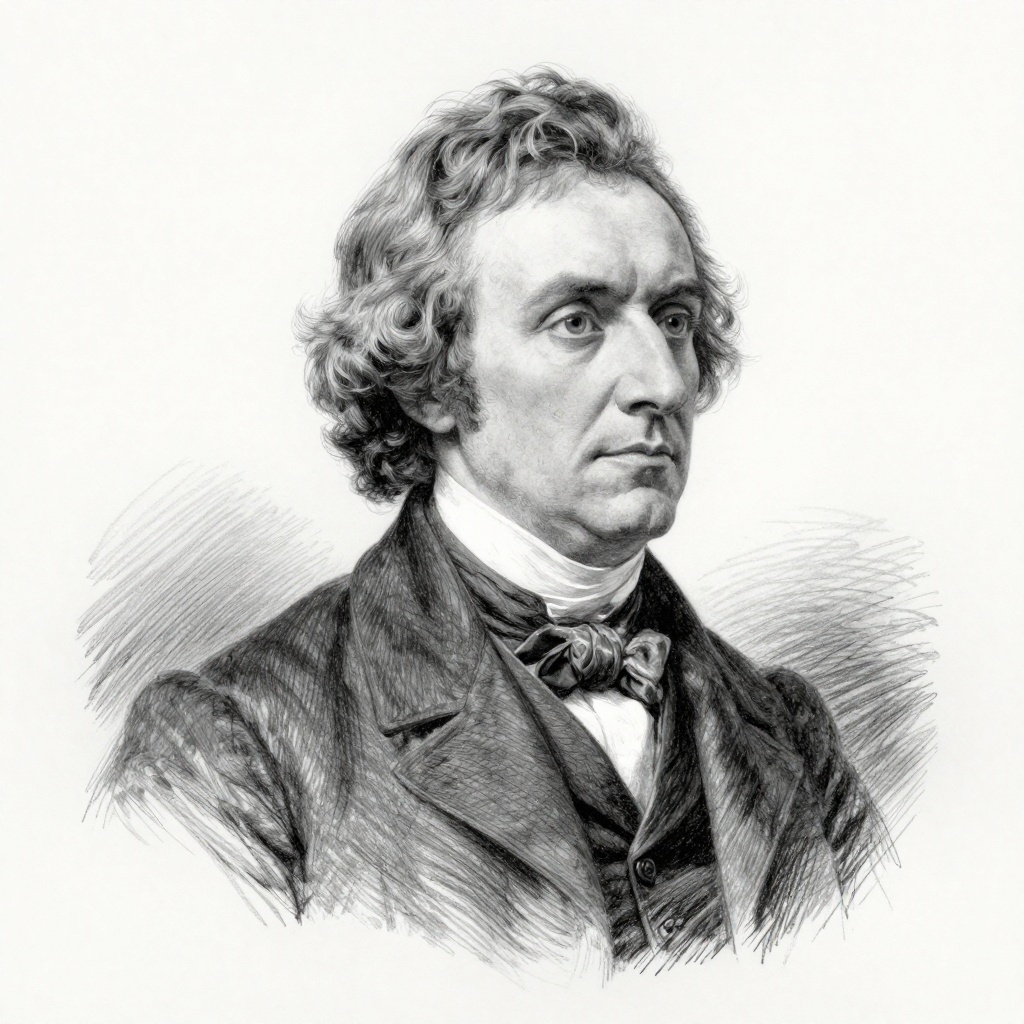
Comments