Quote · Added 5 September 2023
It’s better to conquer grief than to deceive it.
William CowperOn Her Endeavouring To Conceal Her Grief At Parting, 1754
Quote · Added 5 September 2023
We usually think of grief as something to get over as quickly as possible—to compartmentalize, distract ourselves from, or tough out until it fades. But Cowper is pointing at something subtler: the difference between actually moving through pain and just pretending it isn't there. When we deceive grief, we're not fooling it so much as we're fooling ourselves, which means it lingers underground, shaping our moods and choices without our conscious awareness.
Conquering grief doesn't mean becoming unfeeling. It means sitting with the weight of loss long enough to understand what it's trying to tell us, then gradually rebuilding around it. That might look like crying through a favorite song, talking about the person or thing we miss, or simply allowing yourself bad days without shame. The alternative—numbing through busyness or pretending everything's fine when it isn't—tends to make grief heavier, not lighter. It just waits, patient, until we have enough space to actually face it.
The real twist is this: confronting grief isn't weak. It's the only path that actually leads somewhere different. Deception just keeps you stuck.
1731–1800·lived 68 years
William Cowper (1731–1800) was an English poet known for his contemplative and introspective verse. He is credited as one of the forerunners of the Romantic poetry movement, emphasizing emotion and nature in his works. Cowper is best known for his poems such as "The Task" and "The Castaway."
Also by William Cowper
Who loves a garden loves a greenhouse too.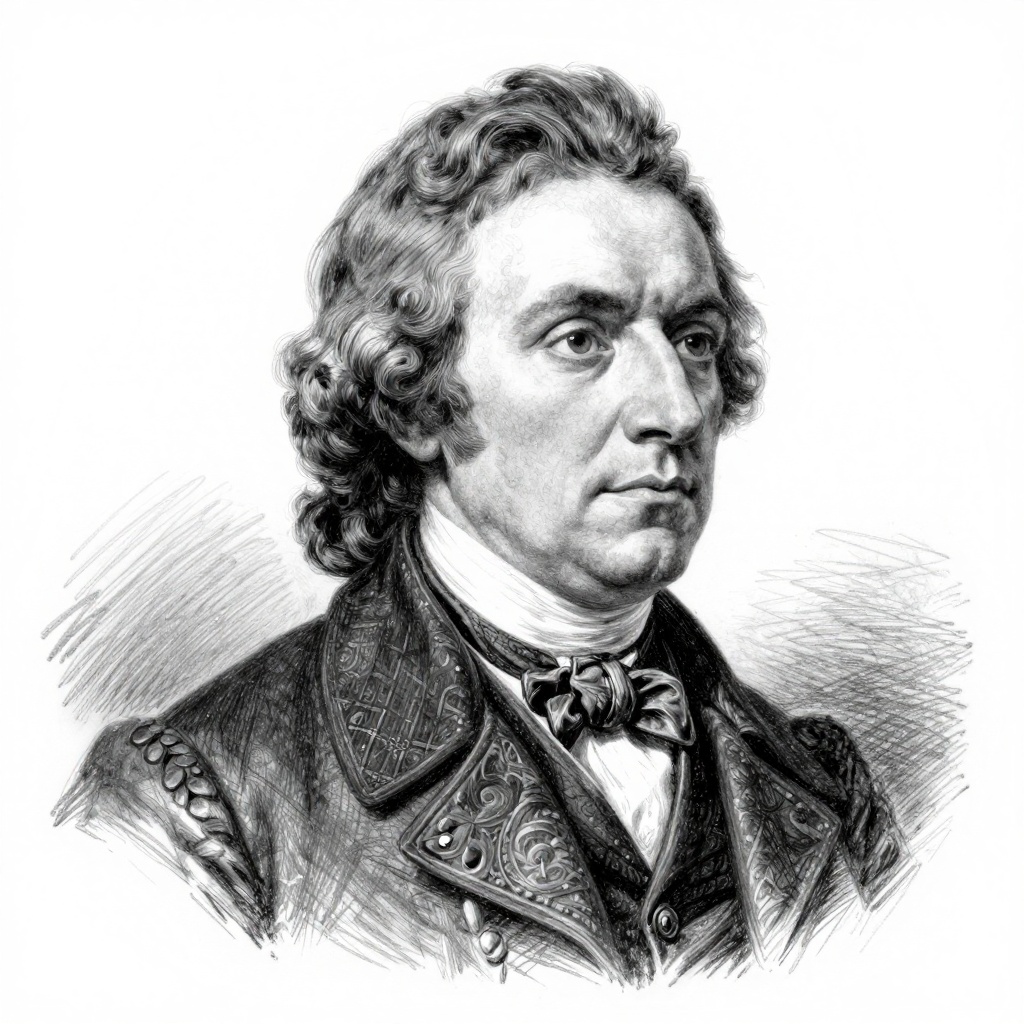
Comments