Quote · Added 14 February 2026
God moves in a mysterious way, His wonders to perform. He plants his footsteps in the sea, and rides upon the storm.
William CowperThe Task, Book 1, 1785
Quote · Added 14 February 2026
Most of us want life to make sense. We want to see the plot coming, understand why hard things happen, maybe even feel like we're in control of the outcome. But anyone who's lived through real upheaval knows that doesn't always work. Loss arrives without warning. Good breaks come from directions you weren't watching. The ground shifts beneath you just when you thought things were stable.
Cowper's image of God riding storms isn't really about religious doctrine—it's about accepting that meaningful change often looks chaotic from the inside. The sea doesn't reveal footsteps until long after someone has walked them. We're usually too close, too confused, too afraid to recognize what's actually unfolding. What feels like a disaster in the moment might be exactly what needed to happen. What looks like abandonment might be redirection.
The real power here is letting go of needing to understand everything immediately. Life moves through you in ways you can't always track or predict. Sometimes the wisdom is just to keep moving, trust that something purposeful is happening even when you can't see it yet, and look back later when the pattern finally becomes visible.
1731–1800·lived 68 years
William Cowper (1731–1800) was an English poet known for his contemplative and introspective verse. He is credited as one of the forerunners of the Romantic poetry movement, emphasizing emotion and nature in his works. Cowper is best known for his poems such as "The Task" and "The Castaway."
Also by William Cowper
Who loves a garden loves a greenhouse too.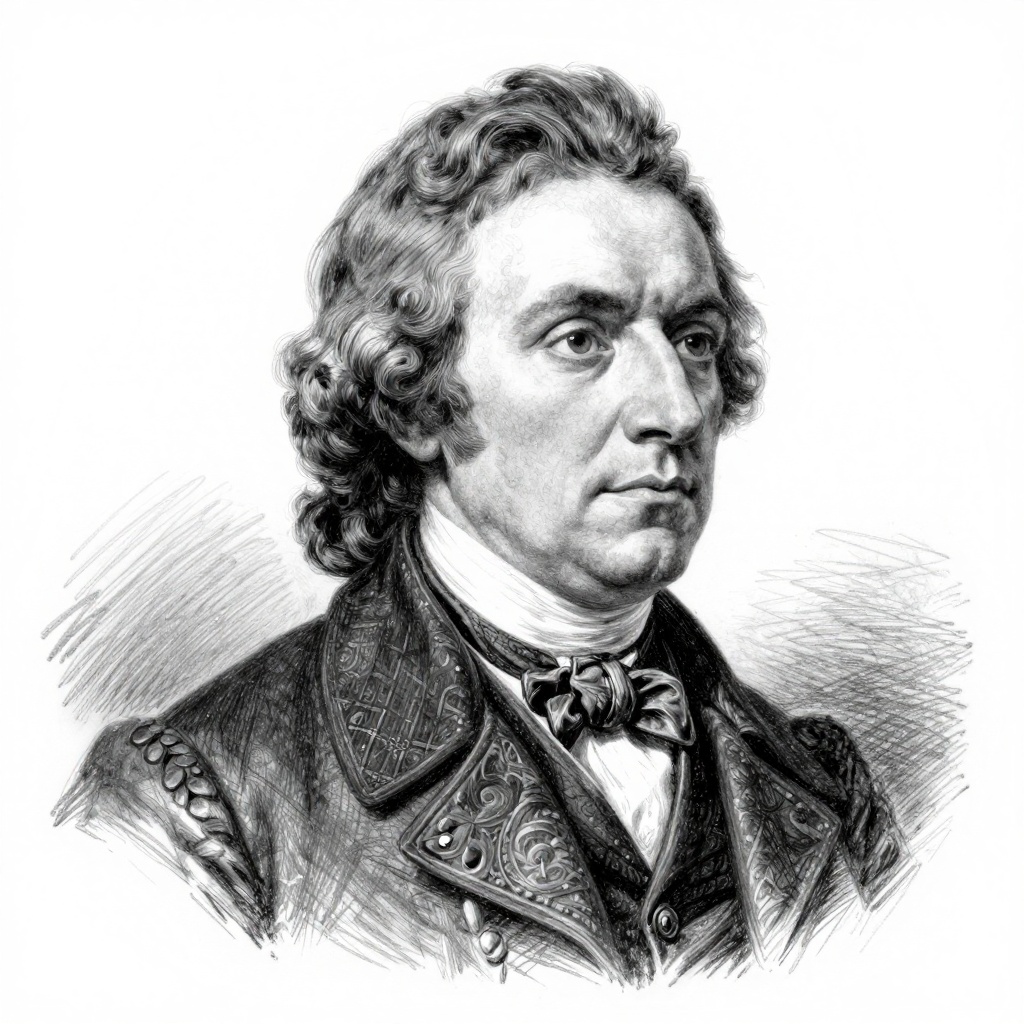
Comments