Quote · Added 10 February 2026
Knowledge is proud that it knows so much; wisdom is humble that it knows no more.
William CowperThe Task, Book vi. Winter Walk at Noon, Line 96
Quote · Added 10 February 2026
There's something quietly corrective about this contrast. We live in an age where having information feels like achievement—we can pull facts from our phones instantly, build entire identities around expertise, and speak confidently about things we learned twenty minutes ago. Knowledge gives us that rush of certainty, that sense of having figured something out. But Cowper points to something the most genuinely thoughtful people seem to share: a kind of intellectual humility that comes not from knowing less, but from recognizing how much more exists beyond what we understand.
The gap between these two isn't really about the amount you know. It's about what you do with the boundaries of your knowledge. Someone with knowledge gets excited about what they've collected. Someone with wisdom gets unsettled by what they can't quite grasp. They notice the contradictions in what they thought they knew. They ask better questions instead of giving smoother answers.
You see this when someone admits they were wrong about something, or when they say "I don't know" in a conversation where everyone else is performing certainty. There's almost a relief in it—like they've stopped competing and started actually thinking. That's the difference. Pride closes the door to learning. Humility keeps it open.
1731–1800·lived 68 years
William Cowper (1731–1800) was an English poet known for his contemplative and introspective verse. He is credited as one of the forerunners of the Romantic poetry movement, emphasizing emotion and nature in his works. Cowper is best known for his poems such as "The Task" and "The Castaway."
Also by William Cowper
Who loves a garden loves a greenhouse too.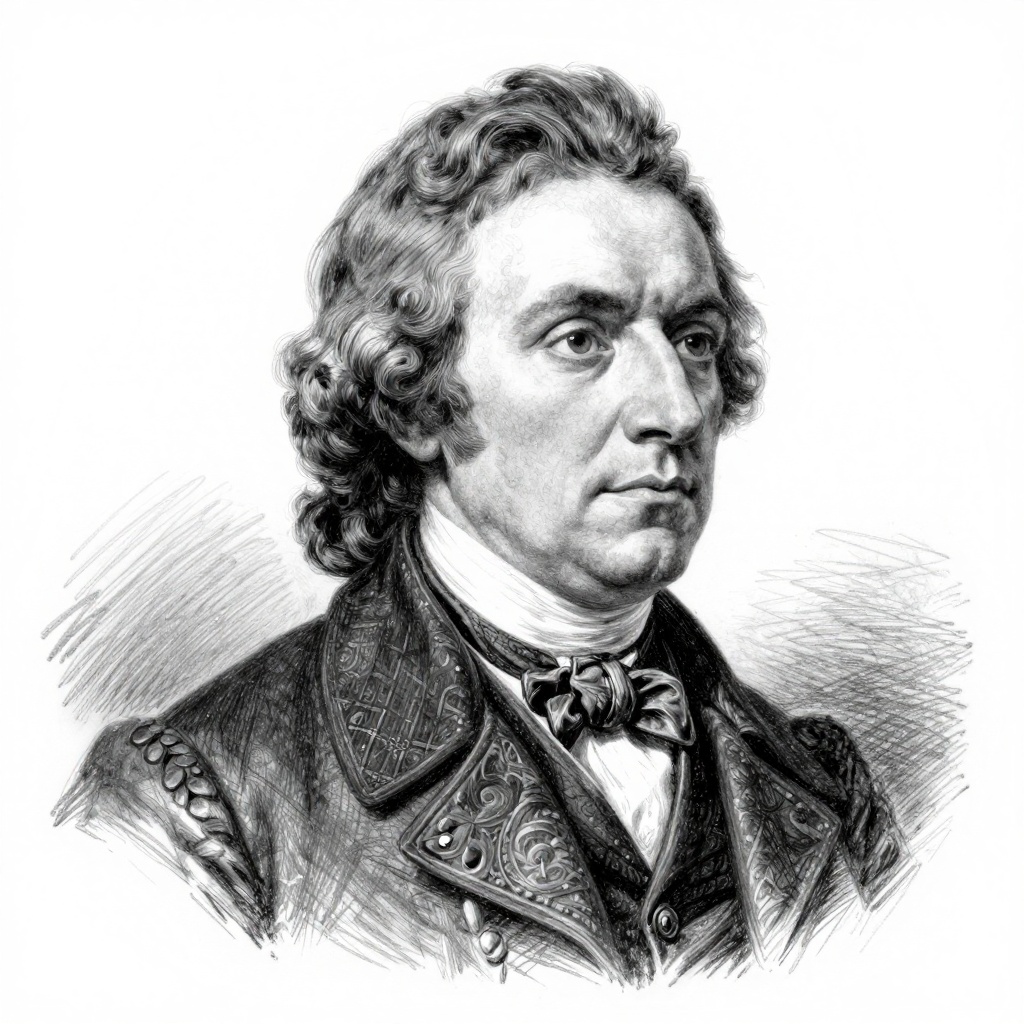
Comments