Quote · Added 12 February 2026
Think in the morning. Act in the noon. Eat in the evening. Sleep in the night.
William BlakeThe Marriage of Heaven and Hell, 1790
Filed underroutine·mindfulness·balance
Quote · Added 12 February 2026
Filed underroutine·mindfulness·balance
There's something almost radical about this simple rhythm—not because it's complicated, but because it flies against how most of us actually live. We scroll through our phones over breakfast, make decisions half-awake at our desks, grab lunch at our computer, and then lie in bed stewing about problems we should've solved hours ago. Blake's insight isn't mystical; it's about matching the right mental state to the right task.
The non-obvious part is that this isn't really about time management. It's about respecting your own energy and cognitive style. Morning thinking means planning and reflecting when your mind is fresh—not reacting to emails. Afternoon action means you've already decided what matters, so you can execute without second-guessing yourself. Evening eating and night sleeping aren't just biological; they're permission to slow down and let your nervous system genuinely rest instead of treating sleep as an interruption to your real life.
What makes this resonate now is that we've collapsed these boundaries entirely. We're always in crisis mode, always half-acting on half-thoughts. Blake's pattern suggests something radical: that deliberately separating these phases might actually make you sharper, not slower. The thinking gets clearer when you're not simultaneously acting. The action becomes decisive when it's not muddied by fatigue.
1757–1827·lived 69 years
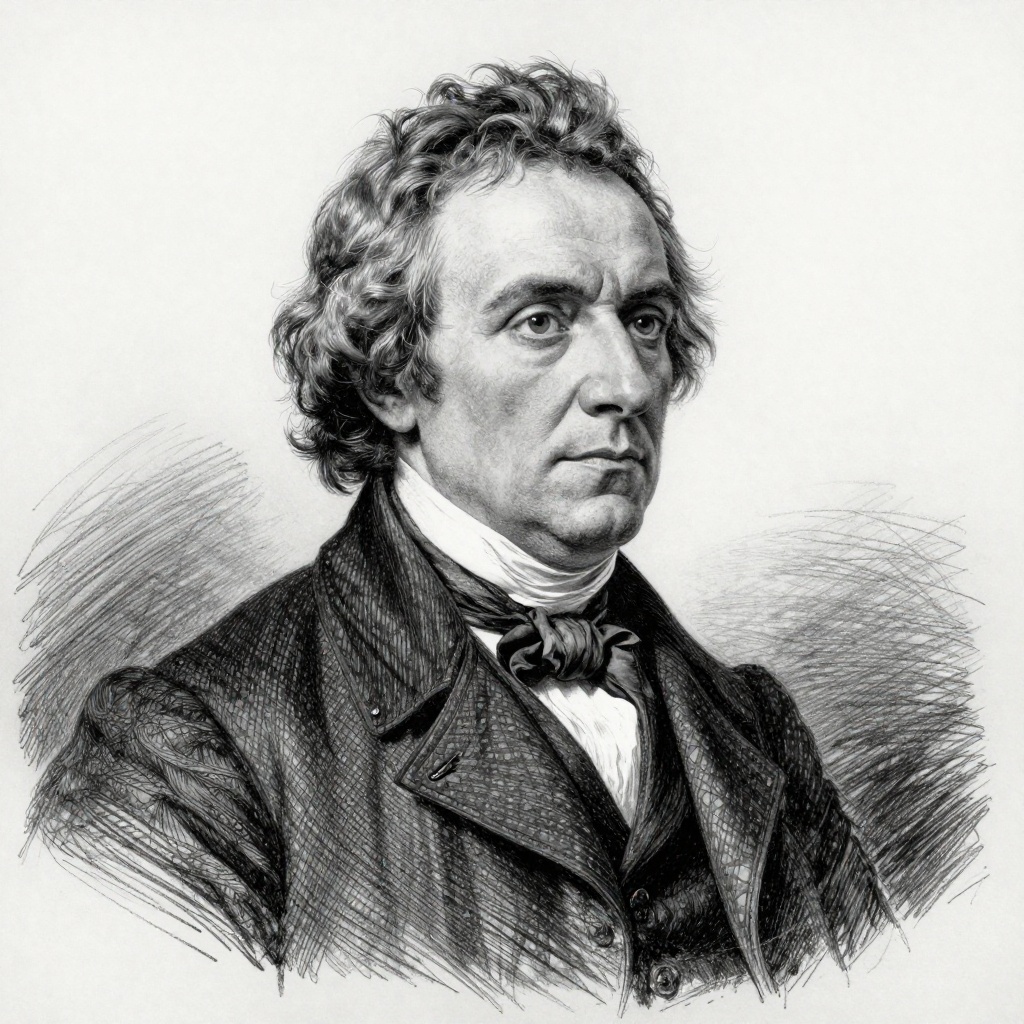
William Blake was an English poet, painter, and printmaker who is known for his visionary art and mystical poetry. His works often explored themes of spirituality, imagination, and the nature of existence, and he is considered one of the most significant figures of the Romantic age in literature.
Comments