Quote · Added 14 February 2026
Reading
AI generatedWhat You Obsess Over, You See
We tend to think of miserliness as just being cheap, but Blake is pointing at something stranger—it's about how obsession warps your actual perception. When you're consumed by accumulating money, you don't just make stingy choices. You literally see the world differently. A shiny coin becomes genuinely more striking than a sunrise because you've trained your mind to find value only in what you can possess and count.
This matters because most of us aren't cartoon misers, yet we do this partial version constantly. When you're stressed about money, a notification about your bank balance genuinely feels more important than the walk you meant to take. When you're building your career, that promotion notification hits harder than moments that used to delight you. Blake isn't judging—he's describing how fixation resets your entire aesthetic sense. The thing you're after doesn't just take your time; it hijacks what you actually notice and feel.
The counterintuitive part is that recognizing this pattern doesn't require becoming indifferent to money or status. It just requires occasionally stepping back and asking: what am I training myself to see as beautiful right now? Because whatever answer you give will shape not just your choices, but your actual lived experience of the world.
The author
All 14 quotes by William Blake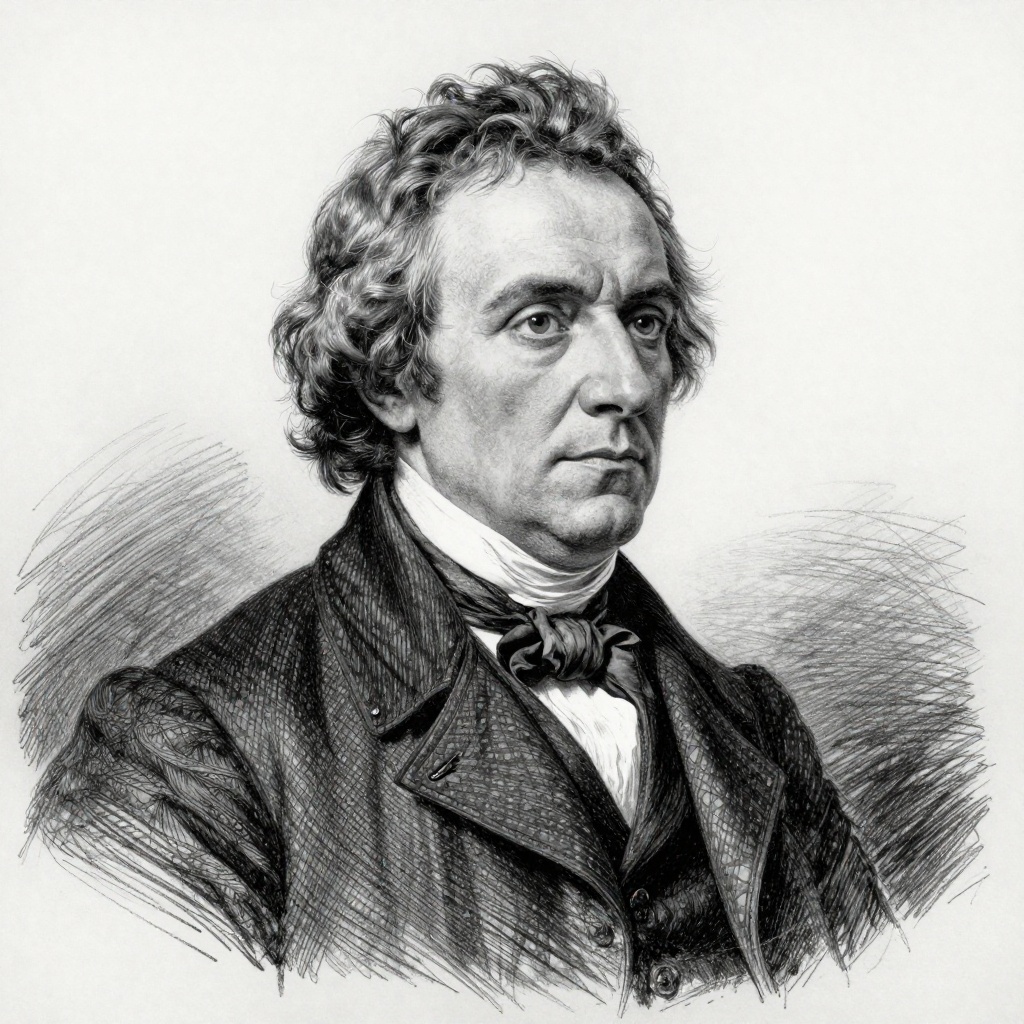
William Blake
1757–1827·lived 69 years
William Blake was an English poet, painter, and printmaker who is known for his visionary art and mystical poetry. His works often explored themes of spirituality, imagination, and the nature of existence, and he is considered one of the most significant figures of the Romantic age in literature.
Comments