Quote · Added 25 March 2026
If the doors of perception were cleansed everything would appear to man as it is, infinite.
Filed underperception·infinite·clarity
Quote · Added 25 March 2026
Filed underperception·infinite·clarity
Most of us move through the world half-asleep, filtered through habit and expectation. We see what we've learned to see, miss what doesn't fit our existing story, and rarely pause to wonder what we're actually overlooking. Blake's insight cuts at something real: our perception isn't a clean window on reality. It's more like looking through glasses we didn't know we were wearing, shaped by fear, routine, and whatever convinced us that certain things matter and others don't.
The practical version of this shows up everywhere. A parent sees their teenager as "lazy" until a conversation reveals genuine depression. We notice someone's accent more than their kindness. We scroll past a piece of beauty because we're already thinking about lunch. Blake isn't being mystical here—he's suggesting that if we could temporarily set down our filters, even ordinary things might crack us open. A stranger's face. A problem at work we thought was unsolvable. Your own life, viewed without the weight of what you think should be happening.
The interesting part? We probably can't achieve complete perception. But we can get curious about our own filters. We can ask what we might be missing, and sometimes that small question changes everything.
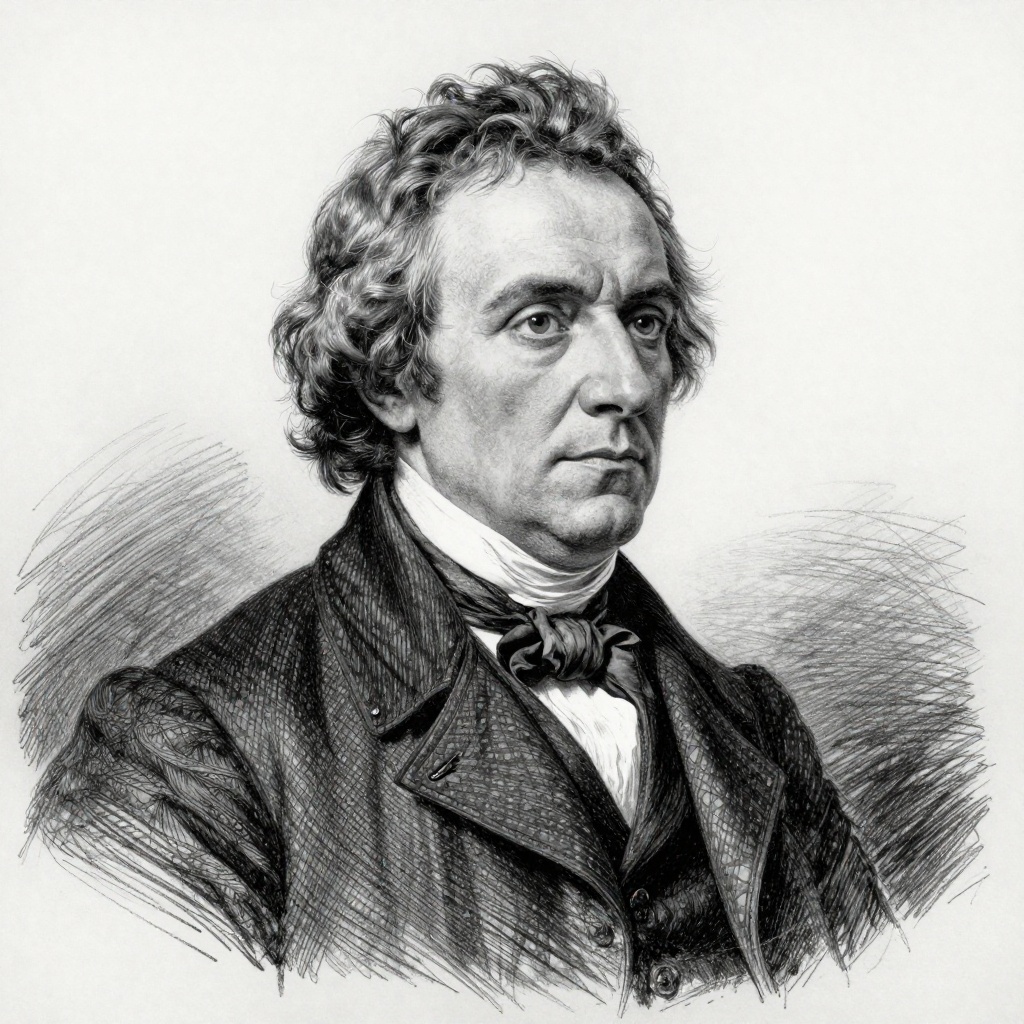
1757–1827·lived 69 years
William Blake was an English poet, painter, and printmaker who is known for his visionary art and mystical poetry. His works often explored themes of spirituality, imagination, and the nature of existence, and he is considered one of the most significant figures of the Romantic age in literature.
Comments