Quote · Added 14 February 2026
Reading
AI generatedCharacter, not circumstances, drives crime
Blake's pointing at something we still get wrong about why people break rules: we assume desperation drives bad behavior, but that's actually too simple and lets us off the hook. Yes, poverty exists, but plenty of poor people stay honest. The thief and the miser aren't motivated by the same thing—one steals because something inside them wants to steal, not just because they need to eat.
This matters now because we love using circumstances as a full explanation. We see crime or dishonesty and immediately ask "what did they lack?" as if hardship is a switch that flips everyone the same way. But Blake suggests the real question is darker: what's broken or twisted in the person's character? What do they want that overrides their conscience? Sometimes it's thrill-seeking, sometimes it's resentment, sometimes it's just that they've decided rules don't apply to them.
The uncomfortable part is that this puts responsibility back on individuals rather than systems alone. But it's probably the truest thing: circumstances matter enormously, yes—but they're not destiny. The question isn't just "what can we take?" but "what kind of person am I choosing to be anyway?"
The author
All 14 quotes by William Blake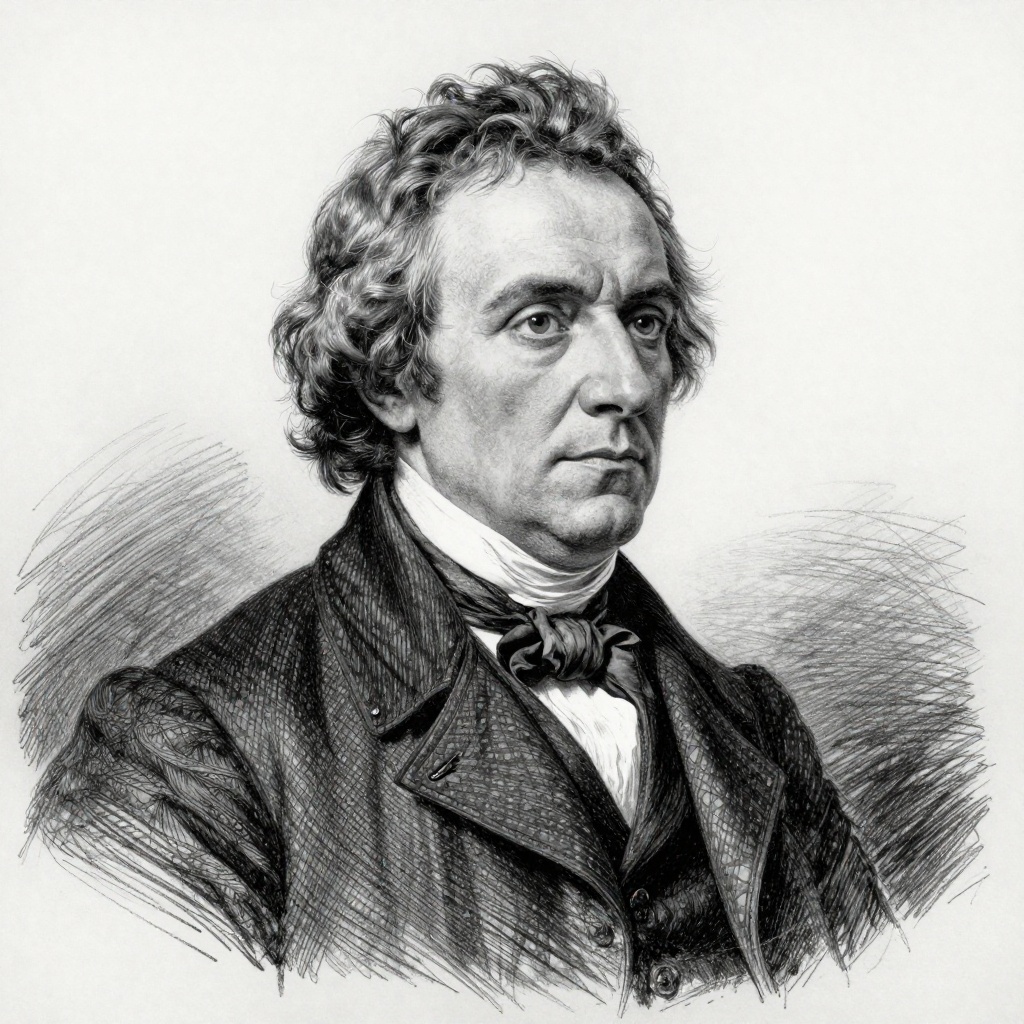
William Blake
1757–1827·lived 69 years
William Blake was an English poet, painter, and printmaker who is known for his visionary art and mystical poetry. His works often explored themes of spirituality, imagination, and the nature of existence, and he is considered one of the most significant figures of the Romantic age in literature.
Comments