Quote · Added 14 February 2026
It is easier to forgive an enemy than to forgive a friend.
William BlakeJerusalem: The Emanation of The Giant Albion, Plate 91, 1804-1820
Filed underforgiveness·friendship·difficulty
Quote · Added 14 February 2026
Filed underforgiveness·friendship·difficulty
We tend to think forgiveness gets harder the worse someone hurts us, but Blake points to something stranger: betrayal by someone close cuts deeper precisely because we let them close. An enemy's cruelty is almost expected, tragic but contained. But a friend who wounds us has violated a relationship we chose to trust, which makes forgiveness feel like it requires us to rewrite our judgment about who they are—and implicitly, about our judgment itself.
There's also a practical angle here. With enemies, you can walk away cleanly. The relationship has clear boundaries already. But with friends, you're tangled up—you share history, mutual friends, inside jokes, vulnerability. Forgiving them means you have to figure out if the friendship continues, what it looks like now, whether you can ever fully trust them again. An enemy doesn't require you to renegotiate anything. You just... let it go.
The deeper truth might be that we forgive most easily what we never had much hope for to begin with. We forgive the friend slowly because we have to grieve not just what they did, but the friend we thought they were. That's heavier work than forgiving someone we never trusted in the first place.
1757–1827·lived 69 years
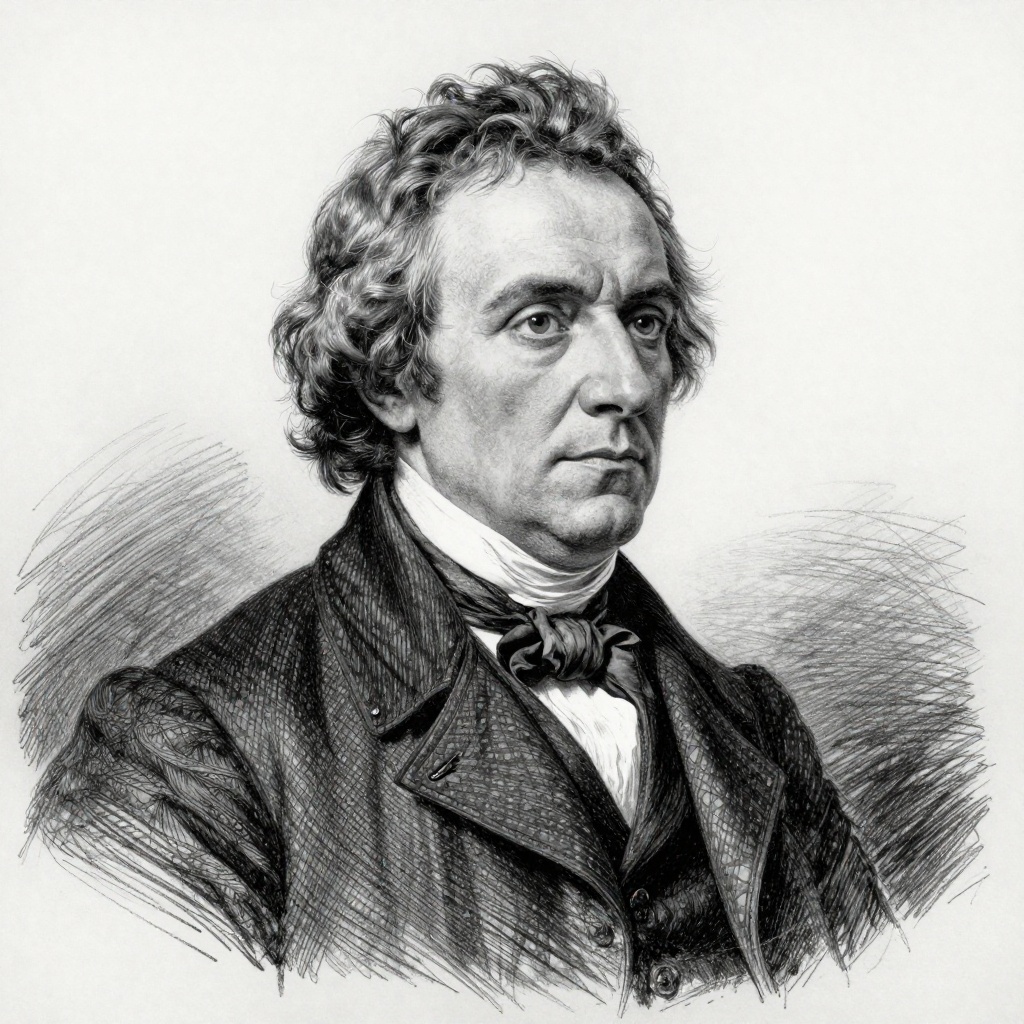
William Blake was an English poet, painter, and printmaker who is known for his visionary art and mystical poetry. His works often explored themes of spirituality, imagination, and the nature of existence, and he is considered one of the most significant figures of the Romantic age in literature.
Comments