Quote · Added 14 February 2026
Tyrants have always some slight shade of virtue; they support the laws before destroying them.
VoltairePhilosophical Dictionary, 1764
Quote · Added 14 February 2026
The scariest part about how power gets abused isn't usually a dramatic villain moment—it's how reasonable everything looks at first. Tyrants don't typically announce their intentions. Instead, they start by appearing to strengthen the system itself, maybe even enforcing laws more strictly than before. They build credibility by looking lawful, sometimes obsessively so, which makes it easier for people to trust them when they gradually start rewriting those same laws for their own benefit. It's a bait-and-switch that works because it happens slowly enough that each step feels defensible.
This matters now because we often mistake surface-level respect for order as evidence of genuine principle. A leader can seem committed to institutions while quietly hollowing them out—maintaining the appearance of rules while making exceptions for themselves or their allies. The "slight shade of virtue" is precisely what makes the corruption harder to spot and easier to rationalize.
The real warning here isn't about some obviously evil figure, but about how authoritarianism tends to wear a law-and-order mask, at least initially. It's a reminder to watch not just what leaders say about laws, but whether those laws actually apply to them too.
1694–1778·lived 83 years
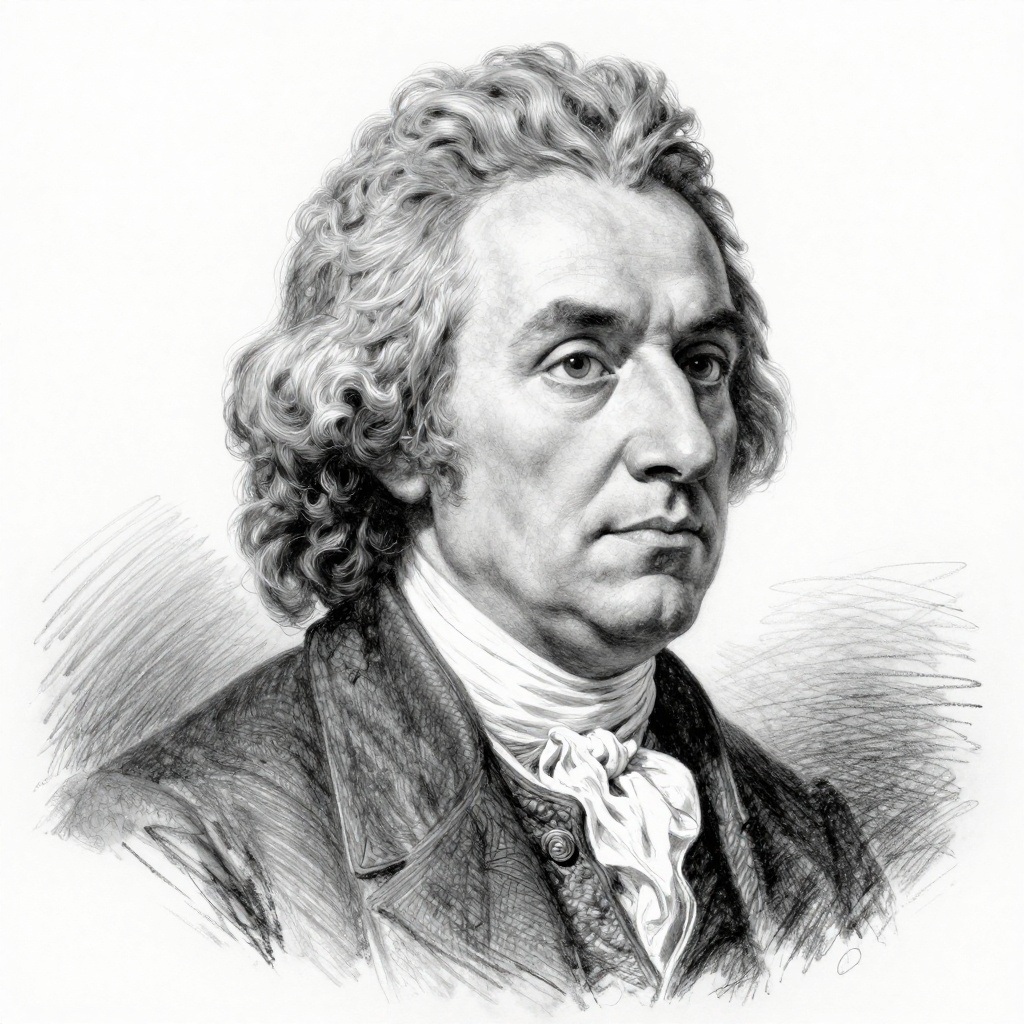
Voltaire was an influential French philosopher, writer, and historian of the Enlightenment period. He is known for his wit, intelligence, and advocacy for freedom of speech, freedom of religion, and separation of church and state. Voltaire's works, including "Candide" and numerous essays, have had a lasting impact on literature and philosophy.
Comments