Quote · Added 15 March 2026
Explore
Reading
AI generatedConfidence grows as knowledge shrinks
There's something oddly relieving about this observation. We've all noticed it: the person who actually knows their field tends to answer questions with nuance and caveats, while the person who's half-informed speaks with absolute certainty. Knowledge creates awareness of complexity. It reveals all the exceptions, contradictions, and gray areas that silence the urge to pronounce judgment from on high.
This matters today partly because we're drowning in confident voices. Social media rewards people who stake out bold positions quickly. The algorithmic incentive is to be declarative, not tentative. But the people we actually trust—the ones who've genuinely earned expertise—often frustrate us by refusing to simplify. They pause. They say "it depends." They ask clarifying questions instead of launching into speeches.
The twist is that this isn't really about humility or politeness, though it can look that way. It's almost mechanical. Deep knowledge is inherently complicated; shallow knowledge is simple. So when someone keeps talking, keep listening not to the volume, but to what they're actually claiming to understand. The real insight isn't that smart people stay quiet. It's that talking too much is often just evidence you haven't thought things through yet.
The author
All 85 quotes by Voltaire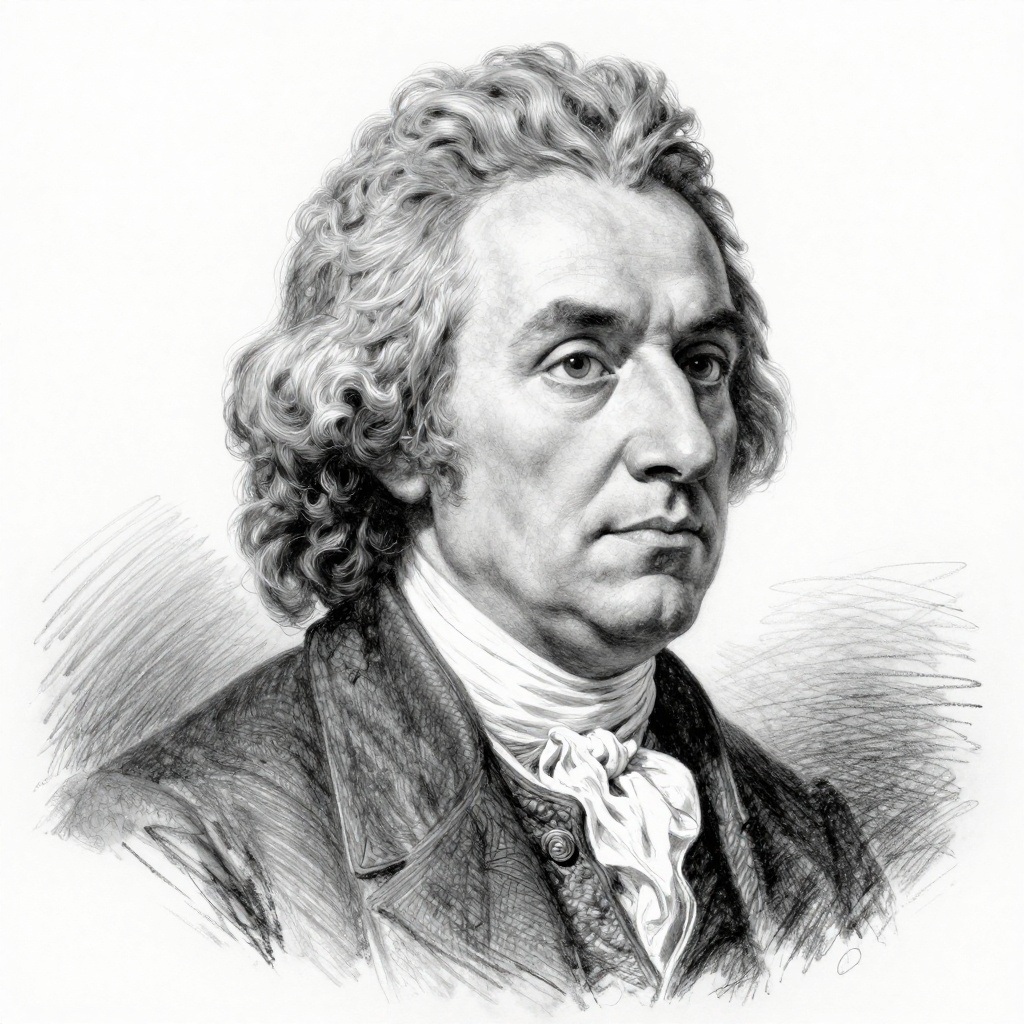
Voltaire
1694–1778·lived 83 years
Voltaire was an influential French philosopher, writer, and historian of the Enlightenment period. He is known for his wit, intelligence, and advocacy for freedom of speech, freedom of religion, and separation of church and state. Voltaire's works, including "Candide" and numerous essays, have had a lasting impact on literature and philosophy.
Comments