Quote · Added 2 July 2024
To think too much is a disease.
Filed underthinking·disease·mentalhealth
Quote · Added 2 July 2024
Filed underthinking·disease·mentalhealth
We've all been there: lying awake at 3 AM, replaying a conversation from weeks ago, spinning out worst-case scenarios, or endlessly weighing a decision that probably doesn't need weighing. At some point, thinking stops being useful and starts being its own trap. Voltaire's observation hits because we live in an era designed to make us overthink—endless news cycles, social media comparisons, the pressure to optimize every choice from coffee to career.
The sneaky part is that overthinking feels productive. It feels like you're being thoughtful or responsible when really you're just circling. There's a real difference between reflection that clarifies and rumination that paralyzes. The former moves you forward; the latter just drains your energy while pretending to help. Sometimes the "disease" Voltaire describes is actually the refusal to accept uncertainty—the belief that if you just think harder, you can eliminate all risk and doubt.
The antidote isn't to stop thinking, obviously. It's to recognize when thinking has crossed from problem-solving into punishment. The question worth asking isn't "Have I thought about this enough?" but "Is more thinking actually going to change anything?" Often, you already know what you need to do. Action, not another loop through your thoughts, is what breaks the spell.
1694–1778·lived 83 years
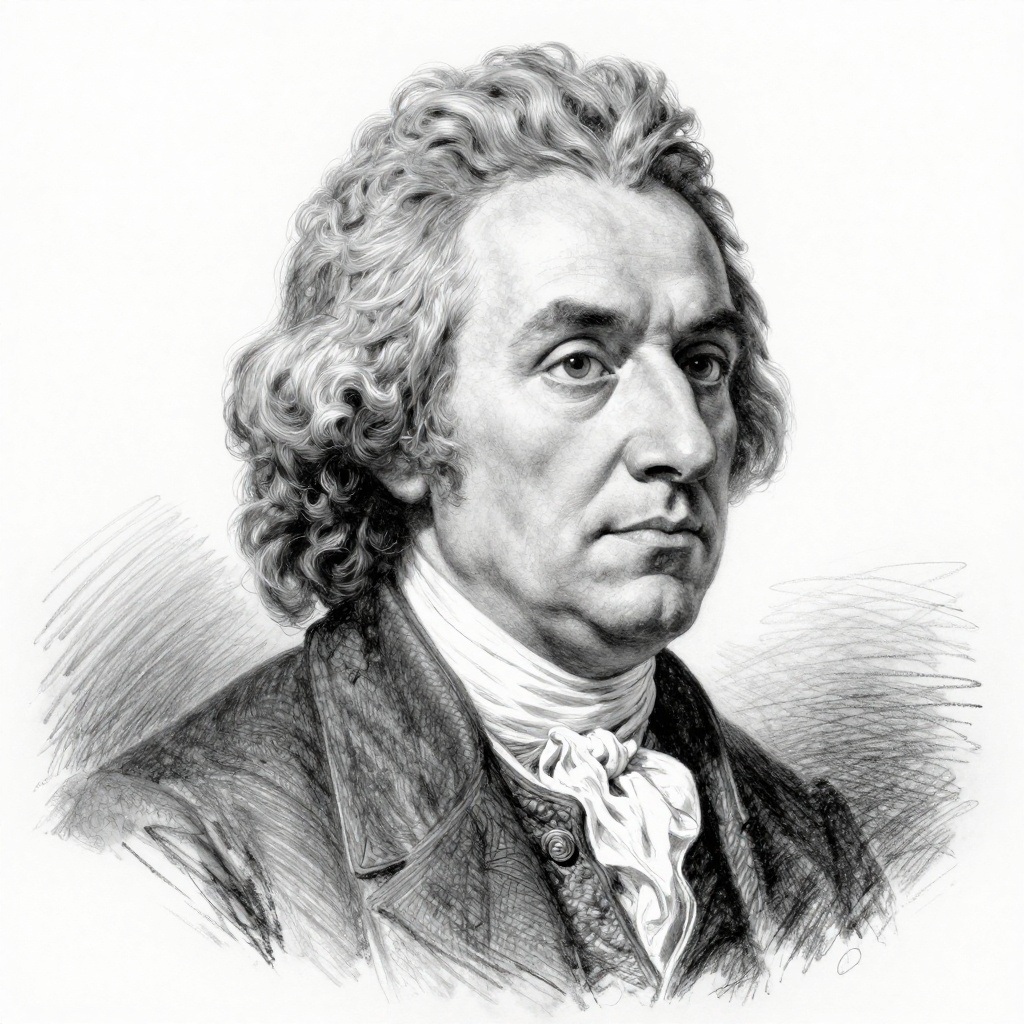
Voltaire was an influential French philosopher, writer, and historian of the Enlightenment period. He is known for his wit, intelligence, and advocacy for freedom of speech, freedom of religion, and separation of church and state. Voltaire's works, including "Candide" and numerous essays, have had a lasting impact on literature and philosophy.
Comments