Quote · Added 14 February 2026
To the living we owe respect, but to the dead we owe only the truth.
VoltairePhilosophical Dictionary, 1764
Quote · Added 14 February 2026
We spend a lot of energy protecting people's feelings—smoothing over conflicts, softening bad news, keeping certain truths private. That instinct usually makes sense. But Voltaire's point cuts differently: once someone is gone, that protective impulse loses its purpose. The person can no longer be hurt by honesty. What remains is just the record, the story we tell about who they were.
This matters more than it seems. Families often maintain careful fictions about dead relatives—glossing over difficult parts of their character or hiding uncomfortable facts to preserve a sanitized memory. But this serves the living more than the dead. It lets us avoid reckoning with complexity. The truth isn't always flattering, and that's okay. A parent who was brilliant but difficult, a friend whose choices we disagreed with—these people become more interesting, more human, when we acknowledge the full picture rather than editing them into saints.
There's also something quietly liberating here. We can stop performing respect as a substitute for honesty. The dead don't need our careful management. They deserve the dignity of being remembered accurately, even messily. That kind of truthfulness is actually a deeper form of respect than any amount of polite fiction.
1694–1778·lived 83 years
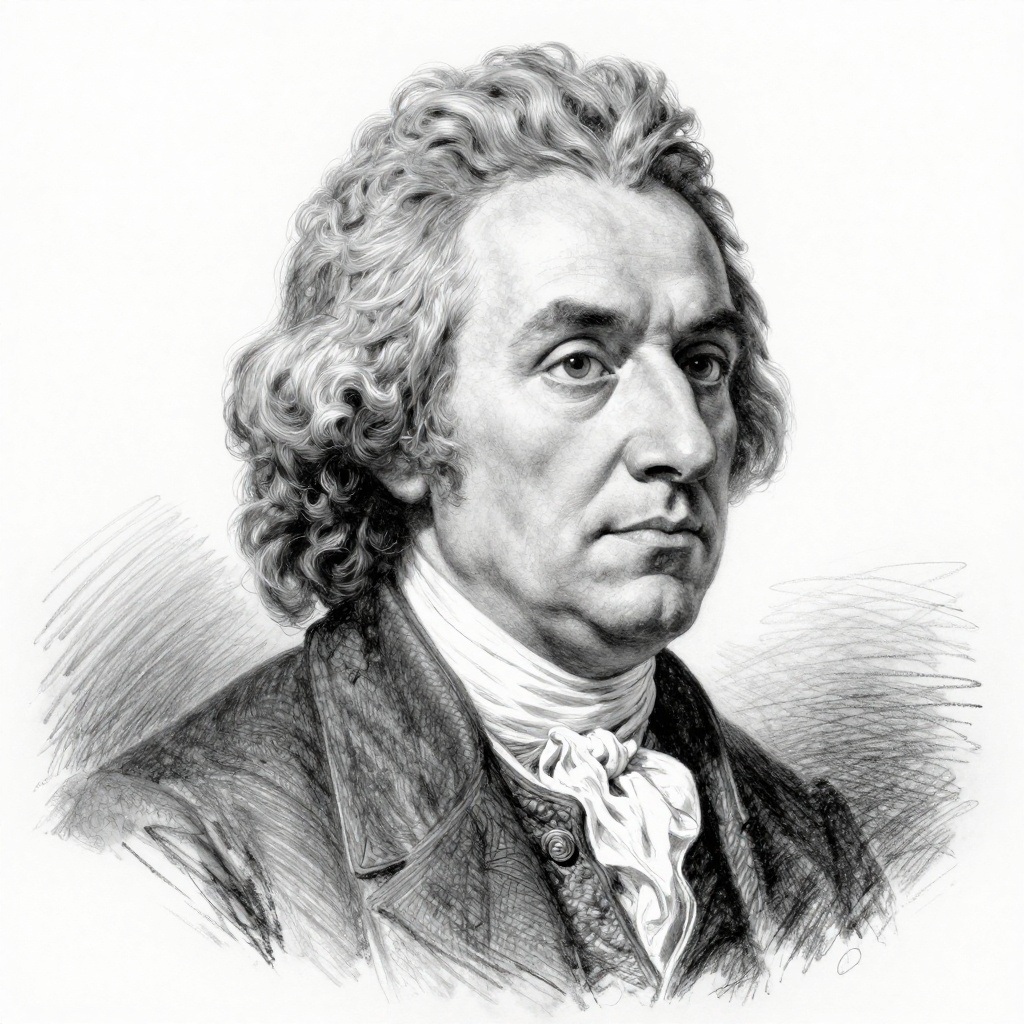
Voltaire was an influential French philosopher, writer, and historian of the Enlightenment period. He is known for his wit, intelligence, and advocacy for freedom of speech, freedom of religion, and separation of church and state. Voltaire's works, including "Candide" and numerous essays, have had a lasting impact on literature and philosophy.
Comments