Quote · Added 14 February 2026
The progress of rivers to the ocean is not so rapid as that of man to error.
VoltairePhilosophical Dictionary, 1764
Quote · Added 14 February 2026
We're remarkably efficient at convincing ourselves of things that aren't true. Not because we're stupid, but because believing something takes so much less effort than actually checking it. A river follows gravity and terrain—it has no choice but to meander. But we actively sprint toward conclusions, especially when they're emotionally satisfying or align with what we already think we know.
The strange part is that this happens fastest in the areas we care most about. You can watch someone confidently explain politics, parenting, or why their ex is terrible, completely oblivious to the gaps in their own reasoning. The conviction comes before the evidence; the certainty actually makes us stop looking. We become expert at finding support for what we've already decided, turning a few anecdotes into universal truth.
What makes Voltaire's observation sting is that it's not really about stupidity—it's about speed. A river is patient. We're impatient. We need answers now, not next year after we've researched properly. So we take the nearest explanation available and start moving downhill fast. The only real antidote isn't intelligence; it's a deliberate, slightly uncomfortable willingness to move slowly sometimes.
1694–1778·lived 83 years
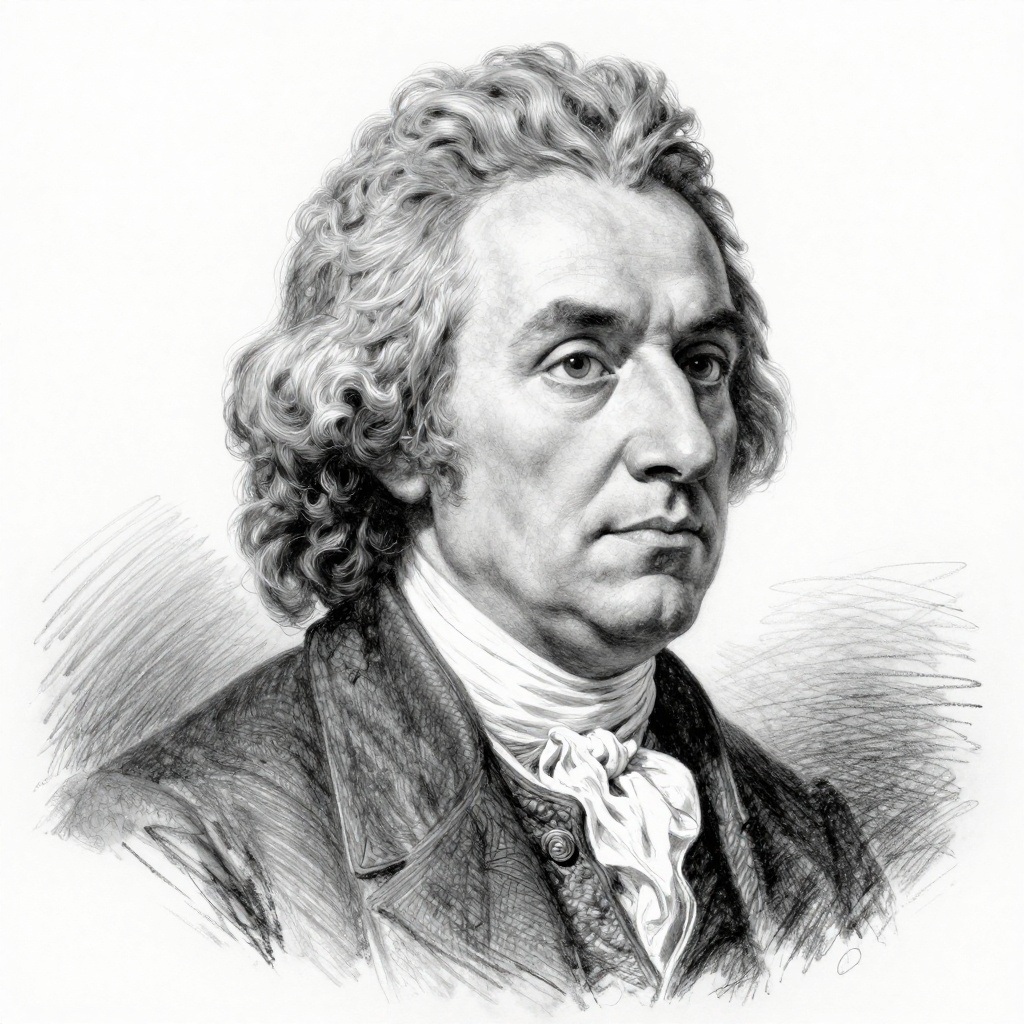
Voltaire was an influential French philosopher, writer, and historian of the Enlightenment period. He is known for his wit, intelligence, and advocacy for freedom of speech, freedom of religion, and separation of church and state. Voltaire's works, including "Candide" and numerous essays, have had a lasting impact on literature and philosophy.
Comments