Quote · Added 14 February 2026
The best government is a benevolent tyranny tempered by an occasional assassination.
VoltaireThe Philosophical Dictionary, 1764
Filed undertyranny·governance·rebellion
Quote · Added 14 February 2026
Filed undertyranny·governance·rebellion
Most of us read this and laugh nervously, assuming Voltaire is being clever. But he's actually pointing at something we all recognize: the deep tension between getting things done and respecting how people want to be treated. A truly efficient leader doesn't waste time with committees, debates, or popular votes. They just decide, and things happen. The problem, of course, is that absolute power in the wrong hands becomes a nightmare.
Voltaire's dark joke cuts deeper than it first appears. He's not really endorsing assassination—he's saying that without some consequence for abusing power, benevolence itself becomes impossible. A ruler who knows they're untouchable stops caring about being fair. They become corrupt. So the "occasional assassination" isn't a feature; it's an admission that even the best system needs friction, checks, real stakes. Power without any friction always curdles.
This still applies today, just in different forms. We see it in workplaces where one person's whims shape everything, or in how quickly good intentions turn selfish when nobody's watching. The insight isn't that we should assassinate our bosses. It's that systems without accountability—whether governmental or personal—almost inevitably disappoint us. The best leaders, like the best versions of ourselves, are the ones who accept that some pushback is actually healthy.
1694–1778·lived 83 years
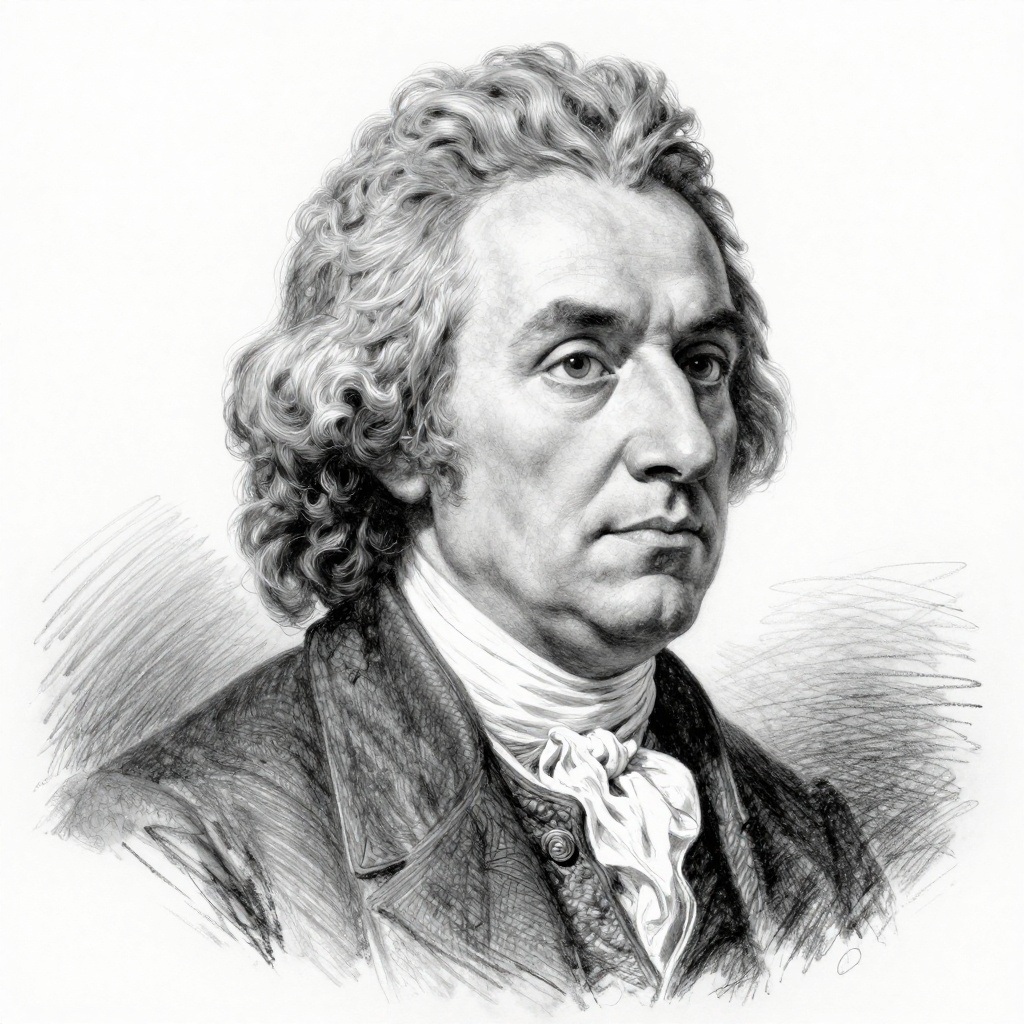
Voltaire was an influential French philosopher, writer, and historian of the Enlightenment period. He is known for his wit, intelligence, and advocacy for freedom of speech, freedom of religion, and separation of church and state. Voltaire's works, including "Candide" and numerous essays, have had a lasting impact on literature and philosophy.
Comments