Quote · Added 14 February 2026
It is forbidden to kill; therefore all murderers are punished unless they kill in large numbers and to the sound of trumpets.
VoltaireThe Philosophy of History, p. 123, 1836
Filed undermurder·punishment·hypocrisy
Quote · Added 14 February 2026
Filed undermurder·punishment·hypocrisy
There's a dark joke buried in Voltaire's observation that still cuts today: we find it easier to condemn individual violence than organized state violence. When someone commits murder, we're horrified and demand justice. But when a government sends thousands to war, we call it policy, strategy, heroism even. The "sound of trumpets" — the pageantry, the official blessing, the uniform — somehow transforms the act into something acceptable, even noble.
This tension shows up constantly in how we think about harm. We'll debate the ethics of one person's actions endlessly, but accept massive casualties when they're filtered through institutions and bureaucracy. A single rogue action feels chaotic and wrong. Systemic violence, scaled up, feels almost inevitable, like gravity. We're oddly comfortable with proportional wrongdoing if enough people agree on it and wrap it in ceremony.
The quote isn't really about murder though. It's about how we use ceremony and authority to launder our conscience. We want to believe our moral rules are absolute, but we also want permission to do difficult things. By dressing things up officially — by getting the uniforms and the declarations and the institutional weight — we give ourselves permission to do what we'd otherwise find unconscionable. Understanding this gap between what we claim to believe and what we actually tolerate might be the first step toward tightening it.
1694–1778·lived 83 years
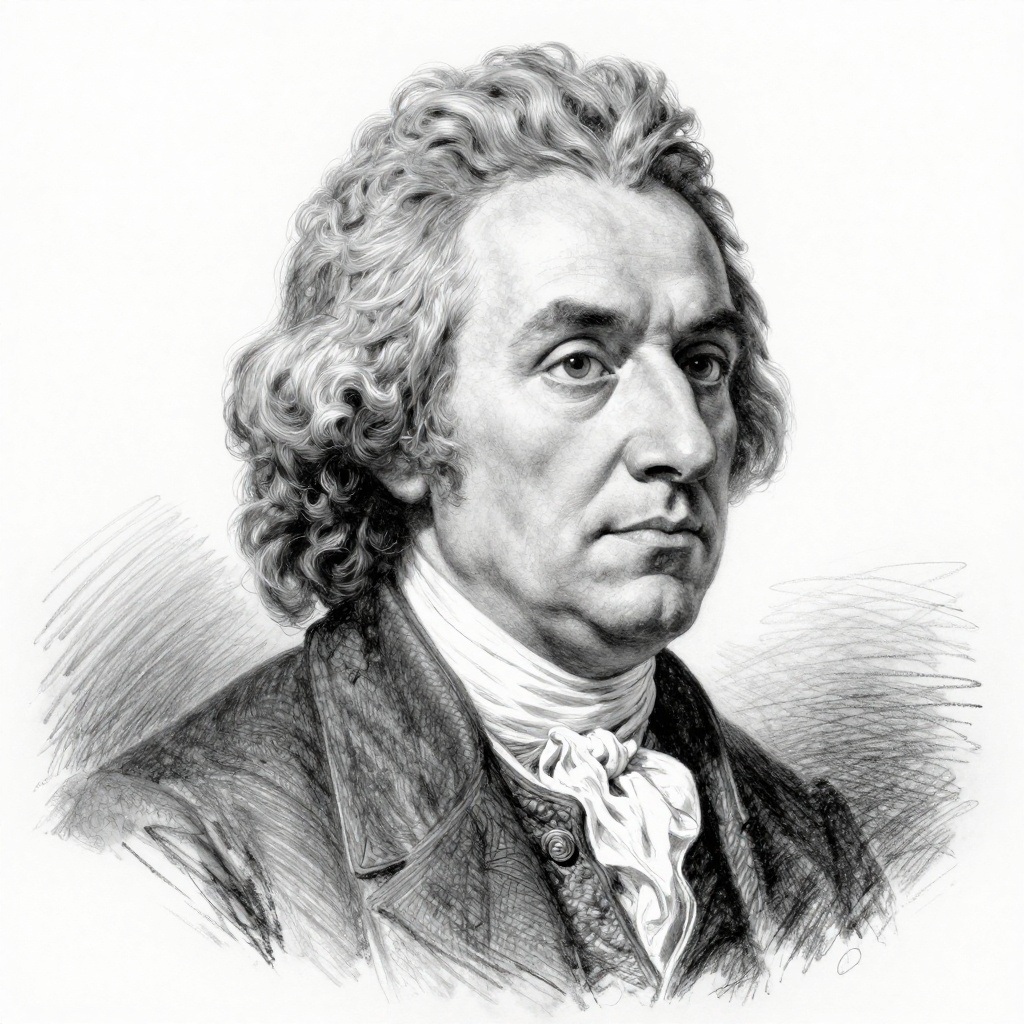
Voltaire was an influential French philosopher, writer, and historian of the Enlightenment period. He is known for his wit, intelligence, and advocacy for freedom of speech, freedom of religion, and separation of church and state. Voltaire's works, including "Candide" and numerous essays, have had a lasting impact on literature and philosophy.
Comments