Quote · Added 14 February 2026
It is better to risk saving a guilty man than to condemn an innocent one.
VoltairePhilosophical Dictionary, 1764
Quote · Added 14 February 2026
We live in a culture obsessed with being right, with catching people out, with sorting the guilty from the innocent with absolute certainty. Social media makes it easy to feel like we can—one post, one piece of evidence, and we've figured someone out. But this quote cuts against that impulse in a way that still stings. It's saying the cost of getting it wrong in one direction isn't the same as getting it wrong in another. Letting a guilty person walk free is bad, sure. But destroying an innocent person's life? That's catastrophic in a different register entirely.
The uncomfortable part is that this principle demands we tolerate a messy world. It means erring on the side of generosity, of doubt, of giving people the benefit of the assumption. It means being slower to judge coworkers, family members, people we disagree with online. It means accepting that justice systems need high bars for conviction, even when we're pretty sure someone did it. We want efficiency and closure more than we want to risk letting the guilty slip through.
What Voltaire understood is that a system built on caution, on allowing some guilty people to escape rather than condemning the innocent, reflects a deeper values choice: that protecting the vulnerable matters more than catching everyone who deserves catching.
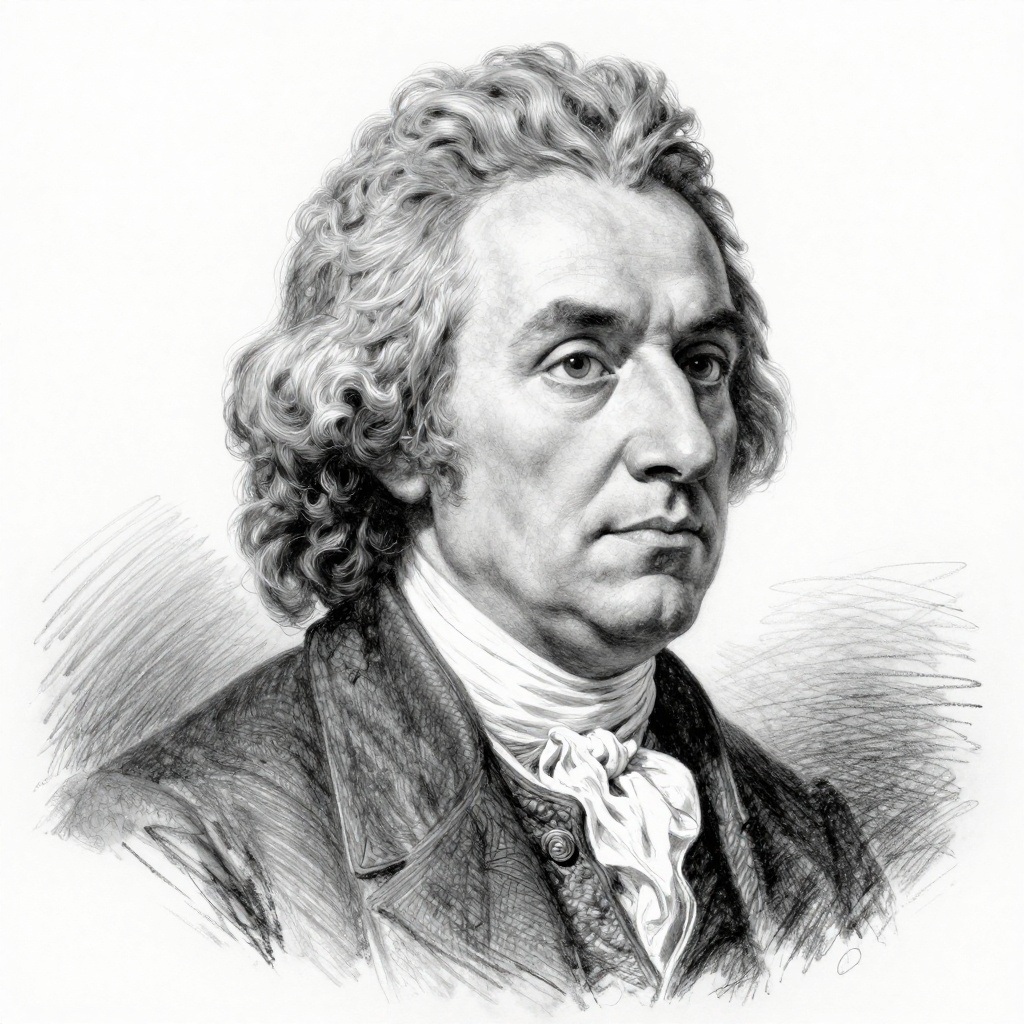
1694–1778·lived 83 years
Voltaire was an influential French philosopher, writer, and historian of the Enlightenment period. He is known for his wit, intelligence, and advocacy for freedom of speech, freedom of religion, and separation of church and state. Voltaire's works, including "Candide" and numerous essays, have had a lasting impact on literature and philosophy.
Comments