Quote · Added 14 February 2026
If God did not exist, it would be necessary to invent Him.
VoltairePhilosophical Dictionary, 1764
Quote · Added 14 February 2026
We live in an age of questioning everything, yet we keep inventing things to believe in anyway. Voltaire's provocative line isn't really about theology—it's about human nature. Whether or not any higher power exists, we seem to need something that pulls us toward meaning, that reminds us we're part of something larger than our own appetites and anxieties. For some it's God. For others it's purpose, legacy, justice, or the welfare of people we'll never meet.
The surprising part is how this works in reverse too. We don't just invent beliefs because they're comforting. We need them because without some framework—some invisible architecture holding things together—our individual choices feel smaller and emptier. A parent sacrificing for a child, someone fighting for a cause, a person choosing honesty when no one's watching—these acts almost require us to believe in something beyond the immediate, practical return. Even the most secular person is likely "inventing" some version of this.
The real question isn't whether God exists. It's whether we're honest about what we actually believe in and why, and whether those beliefs push us toward being better or just toward feeling better.
1694–1778·lived 83 years
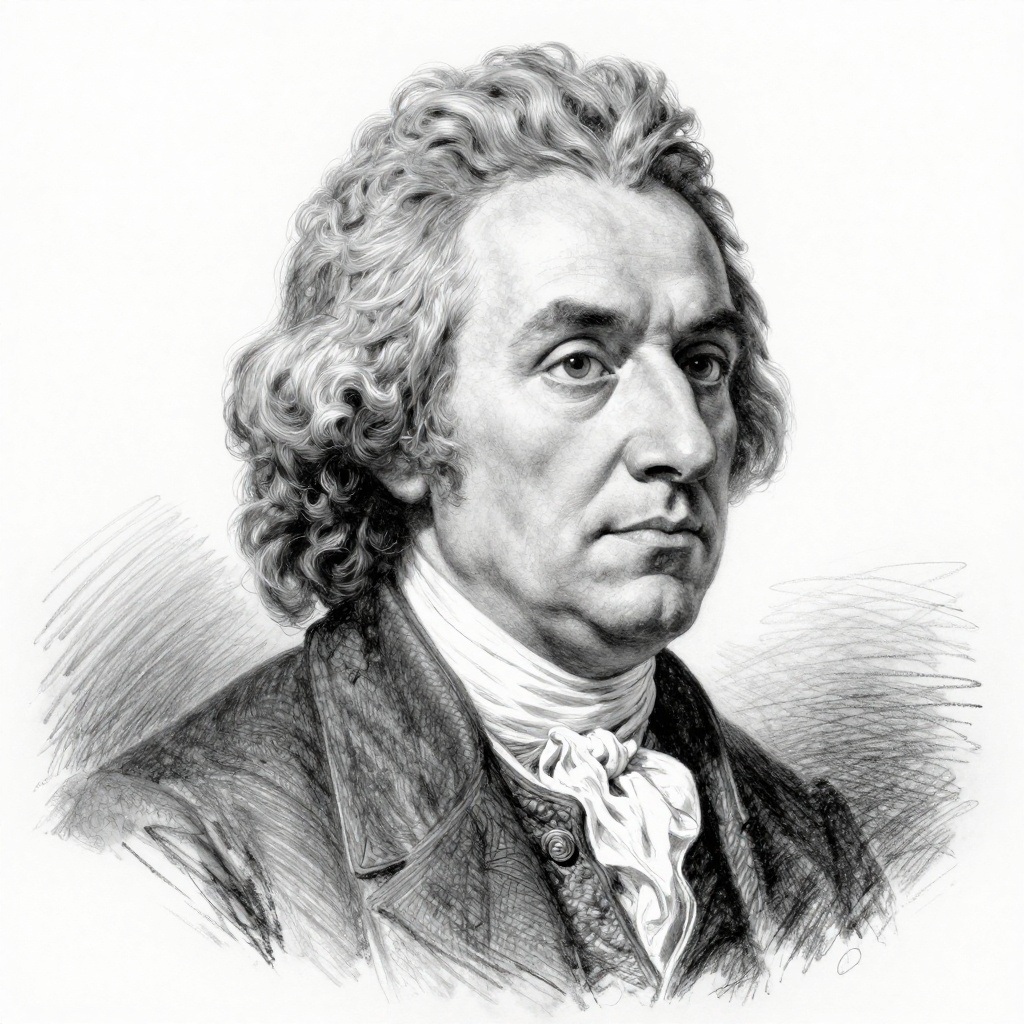
Voltaire was an influential French philosopher, writer, and historian of the Enlightenment period. He is known for his wit, intelligence, and advocacy for freedom of speech, freedom of religion, and separation of church and state. Voltaire's works, including "Candide" and numerous essays, have had a lasting impact on literature and philosophy.
Comments