Quote · Added 14 February 2026
I have never made but one prayer to God, a very short one: 'O Lord make my enemies ridiculous.' And God granted it.
VoltaireThe Philosophical Dictionary, 1764
Quote · Added 14 February 2026
There's a particular kind of power in not taking your enemies seriously — and Voltaire understood this better than most. Instead of praying for victory or vengeance, he asked something stranger: that his opponents become laughable. And here's the thing that makes this genuinely clever: ridicule often works better than argument. You can debate someone's ideas all day and get nowhere, but if you can make their position seem absurd, suddenly people stop listening to them altogether.
The insight here isn't really about mockery for its own sake. It's about how the most effective response to overwrought hostility or bad faith often isn't to match it head-on. When someone takes themselves too seriously or pushes an obviously flawed argument, the best medicine is to let their own extremism become the punchline. This is why satire has always been a tool of the powerless against the powerful — it's harder to oppress someone who's making you look foolish.
What's interesting is how this still applies in our daily lives. Whether it's someone being needlessly aggressive online, a boss overstepping, or a relationship conflict turning toxic, sometimes the most disarming move isn't a fierce counter-argument. It's the ability to see — and show others — how ridiculous the situation has become. Not out of cruelty, but clarity.
1694–1778·lived 83 years
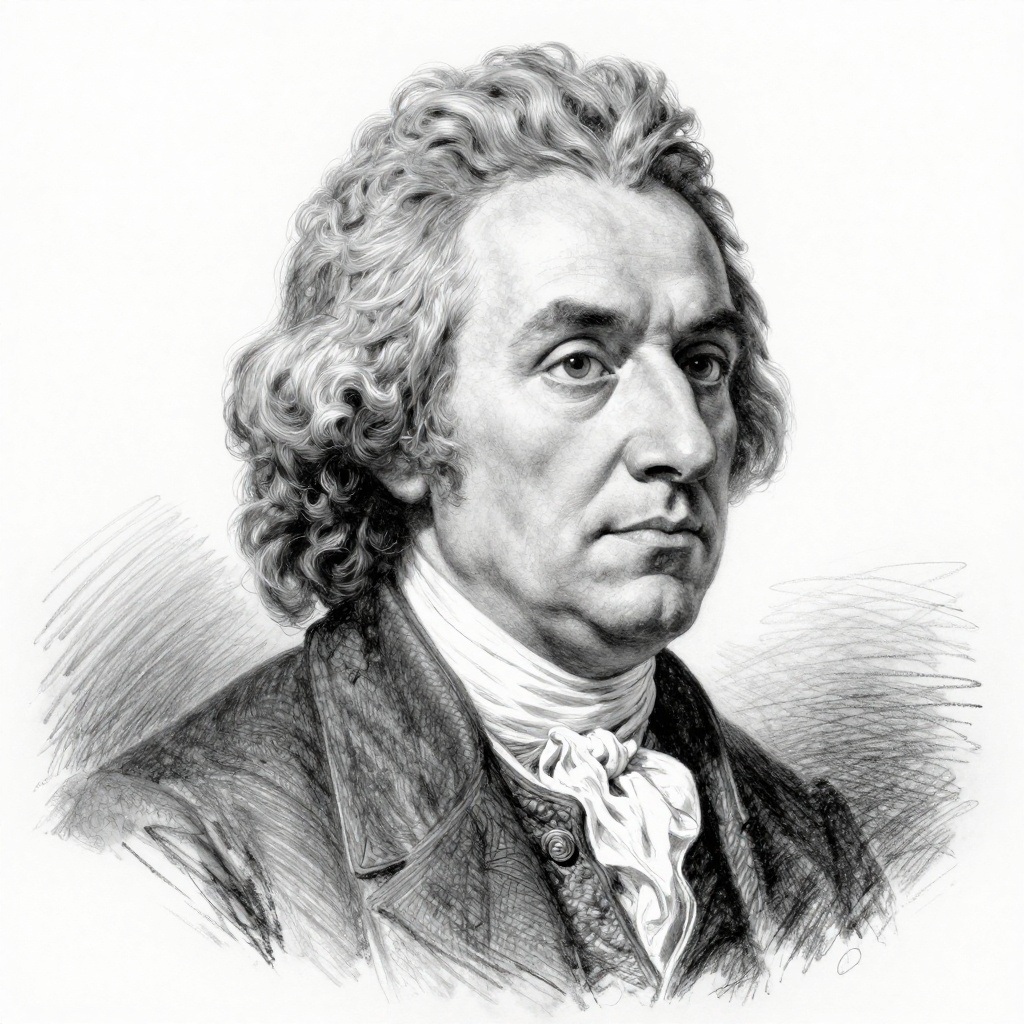
Voltaire was an influential French philosopher, writer, and historian of the Enlightenment period. He is known for his wit, intelligence, and advocacy for freedom of speech, freedom of religion, and separation of church and state. Voltaire's works, including "Candide" and numerous essays, have had a lasting impact on literature and philosophy.
Comments