Quote · Added 18 April 2024
Who dares not speak his free thought is a slave.
Thomas PaineThe Age of Reason, 1794
Quote · Added 18 April 2024
There's a particular kind of exhaustion that comes from swallowing your actual thoughts day after day. You sit in meetings, scroll through conversations, navigate family dinners—all while running a parallel internal monologue you'd never dare voice. The irony is that you're technically free, yet something essential feels locked away. Paine's point cuts deeper than just political oppression. It's about the smaller, quieter ways we cage ourselves.
The tricky part is that speaking freely doesn't automatically mean blurting out every half-formed opinion. Real freedom isn't recklessness. It's the ability to think clearly without fear, to test ideas out loud, to disagree without your voice shaking. When you can't do that—when you're constantly filtering to survive at work, or managing what you say around certain people, or staying silent to keep the peace—something atrophies. Your thinking itself gets smaller because you never get to fully explore it.
The modern version of this isn't usually a tyrant with a gun. It's the cumulative weight of unspoken thoughts, the relationships where you're perpetually performing, the cultures where loyalty means agreement. The slave Paine describes might look surprisingly free from the outside. But internally? That person has surrendered something that feels impossible to reclaim once you notice it's gone.
1737–1809·lived 72 years
Thomas Paine was an English-born American political activist, philosopher, and revolutionary. He is best known for his influential pamphlet "Common Sense," which advocated for American independence from British rule. Paine's writings and ideals played a significant role in shaping the American Revolution and promoting democratic governance.
Also by Thomas Paine
If there must be trouble, let it be in my day, that my child may have peace.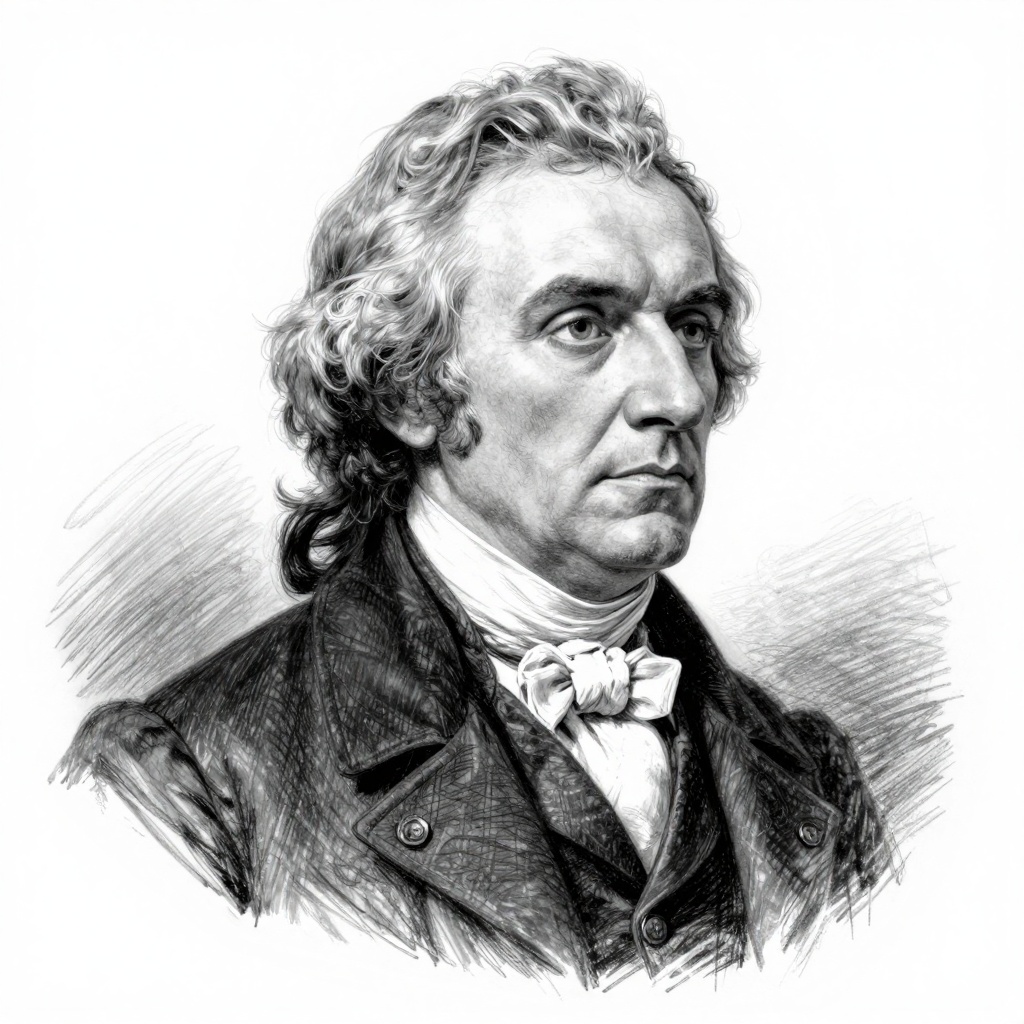
Comments