Quote · Added 1 October 2023
He who knows nothing is closer to the truth than he whose mind is filled with falsehoods and errors.
Thomas JeffersonLetter to John Novell, June 11, 1807
Quote · Added 1 October 2023
There's something counterintuitive here that shows up in how we actually learn. Being ignorant about something—genuinely blank on it—leaves you open to reality as it actually is. But if you're confident in the wrong information, you've got a wall between you and the truth. You're not just missing a fact; you're actively resisting correction because you feel certain. We see this constantly: the person who's never thought about climate science can shift their views with evidence, but someone locked into outdated certainties becomes defensive.
This matters because it means intellectual humility isn't just noble—it's practically useful. When you know you don't know something, you listen differently. You ask questions instead of defending answers. And in a world where we're all swimming in half-truths, confident mistakes from social media, and things we absorbed without thinking, Jefferson's point cuts deeper than it might seem. The gap between ignorance and error is actually the gap between curiosity and certainty. Being willing to sit in the "I don't know" zone is harder than it sounds, but it's where actual learning begins.
1743–1826·lived 83 years
Thomas Jefferson was an American Founding Father who served as the third President of the United States from 1801 to 1809. He is best known for being the primary author of the Declaration of Independence and for his advocacy of democracy, republicanism, and individual rights. Jefferson also founded the University of Virginia and was a prominent architect, inventor, and philosopher.
Also by Thomas Jefferson
I believe that every human mind feels pleasure in doing good to another.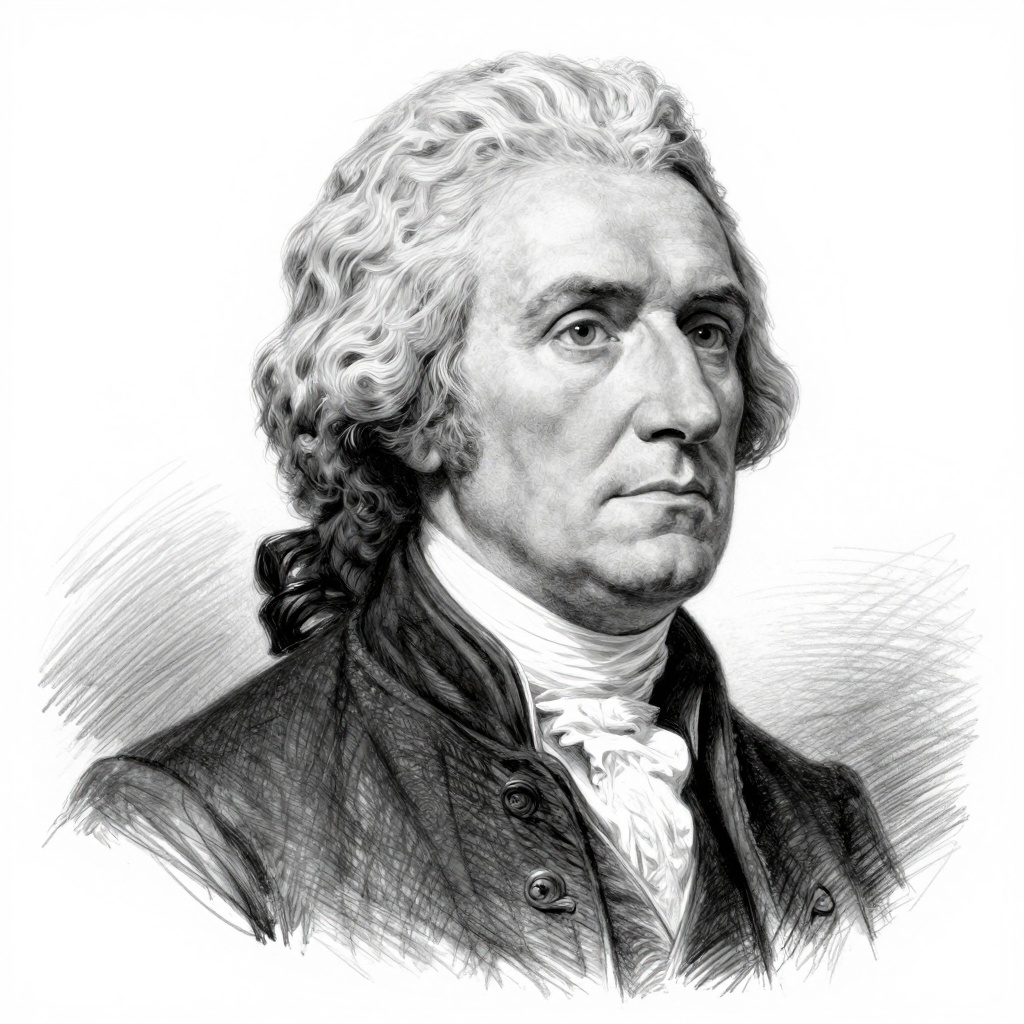
Comments