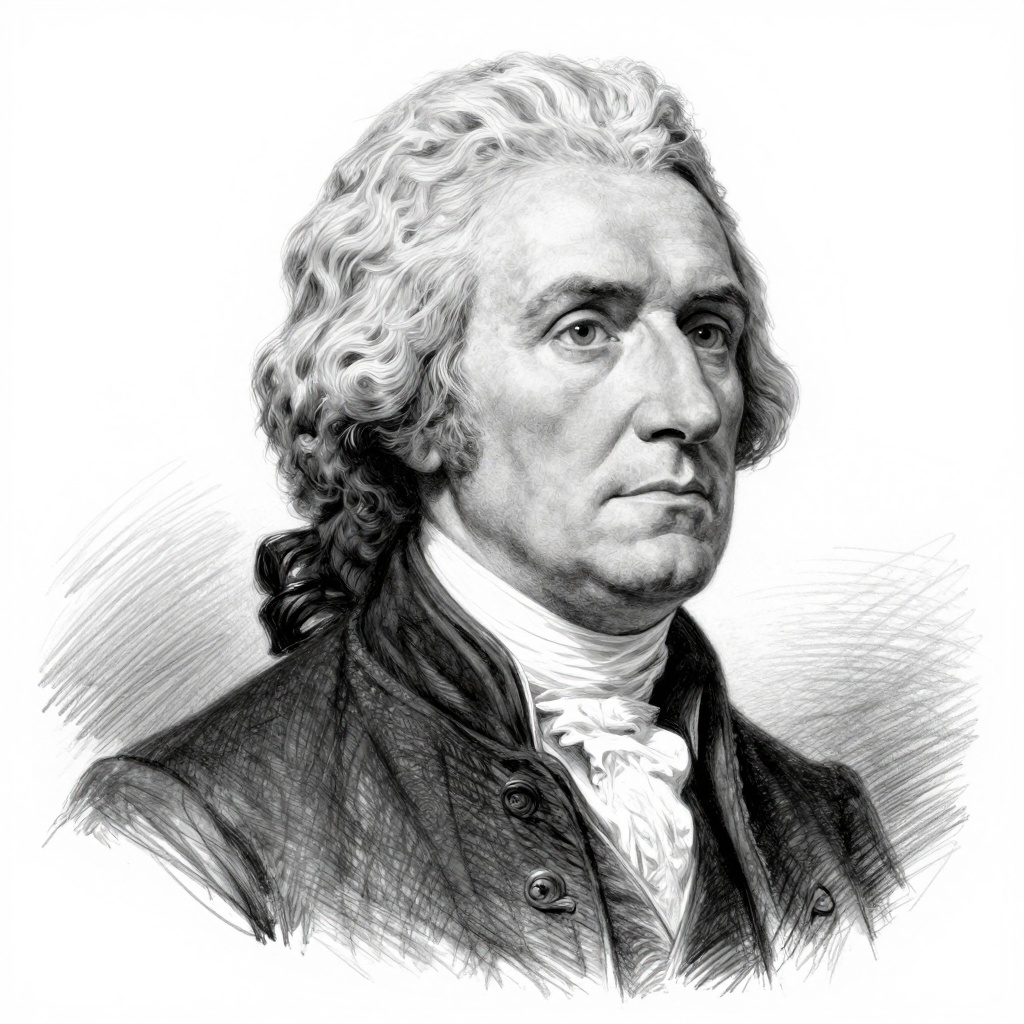
Experience hath shewn, that even under the best forms of government those entrusted with power have, in time,... — Thomas Jefferson

Experience hath shewn, that even under the best forms of government those entrusted with power have, in time, and by slow operations, perverted it into tyranny.

Author: Thomas Jefferson

Insight: We like to think that good systems protect themselves—that if we just design the right rules and elect the right people, corruption stays out. But Jefferson spotted something more unsettling: it's not usually a dramatic power grab that undoes a system. It's the slow creep. A leader stretches one authority just a little, then a little further. A law meant for emergencies becomes routine. An exception becomes the norm. By the time anyone notices, the whole character of what was trusted has shifted. This plays out everywhere now, not just in government. A manager who starts checking emails after hours becomes someone who expects responses at midnight. A platform that promises to connect people quietly starts shaping what they see. The systems themselves aren't destroyed overnight—they're gradually redesigned by people working inside them, often without realizing they're doing it. The scariest part is that the people making these small adjustments aren't necessarily villains. They're usually just pushing boundaries in ways that feel reasonable at the time. The real insight here isn't pessimism about power—it's that eternal vigilance matters not because tyrants are lurking, but because the slope is slippery. Unchecked authority doesn't need malice to become tyranny. It just needs time and no one paying attention.

Power corrupts slowly, then all at once

Experience hath shewn, that even under the best forms of government those entrusted with power have, in time, and by slow operations, perverted it into tyranny.

We like to think that good systems protect themselves—that if we just design the right rules and elect the right people, corruption stays out. But Jefferson spotted something more unsettling: it's not usually a dramatic power grab that undoes a system. It's the slow creep. A leader stretches one authority just a little, then a little further. A law meant for emergencies becomes routine. An exception becomes the norm. By the time anyone notices, the whole character of what was trusted has shifted.

This plays out everywhere now, not just in government. A manager who starts checking emails after hours becomes someone who expects responses at midnight. A platform that promises to connect people quietly starts shaping what they see. The systems themselves aren't destroyed overnight—they're gradually redesigned by people working inside them, often without realizing they're doing it. The scariest part is that the people making these small adjustments aren't necessarily villains. They're usually just pushing boundaries in ways that feel reasonable at the time.

The real insight here isn't pessimism about power—it's that eternal vigilance matters not because tyrants are lurking, but because the slope is slippery. Unchecked authority doesn't need malice to become tyranny. It just needs time and no one paying attention.

AI generated

Comments

Sign in to leave a comment or reply to one.

Sign in

Thomas Jefferson

Thomas Jefferson was an American Founding Father who served as the third President of the United States from 1801 to 1809. He is best known for being the primary author of the Declaration of Independence and for his advocacy of democracy, republicanism, and individual rights. Jefferson also founded the University of Virginia and was a prominent architect, inventor, and philosopher.

Graph

Related