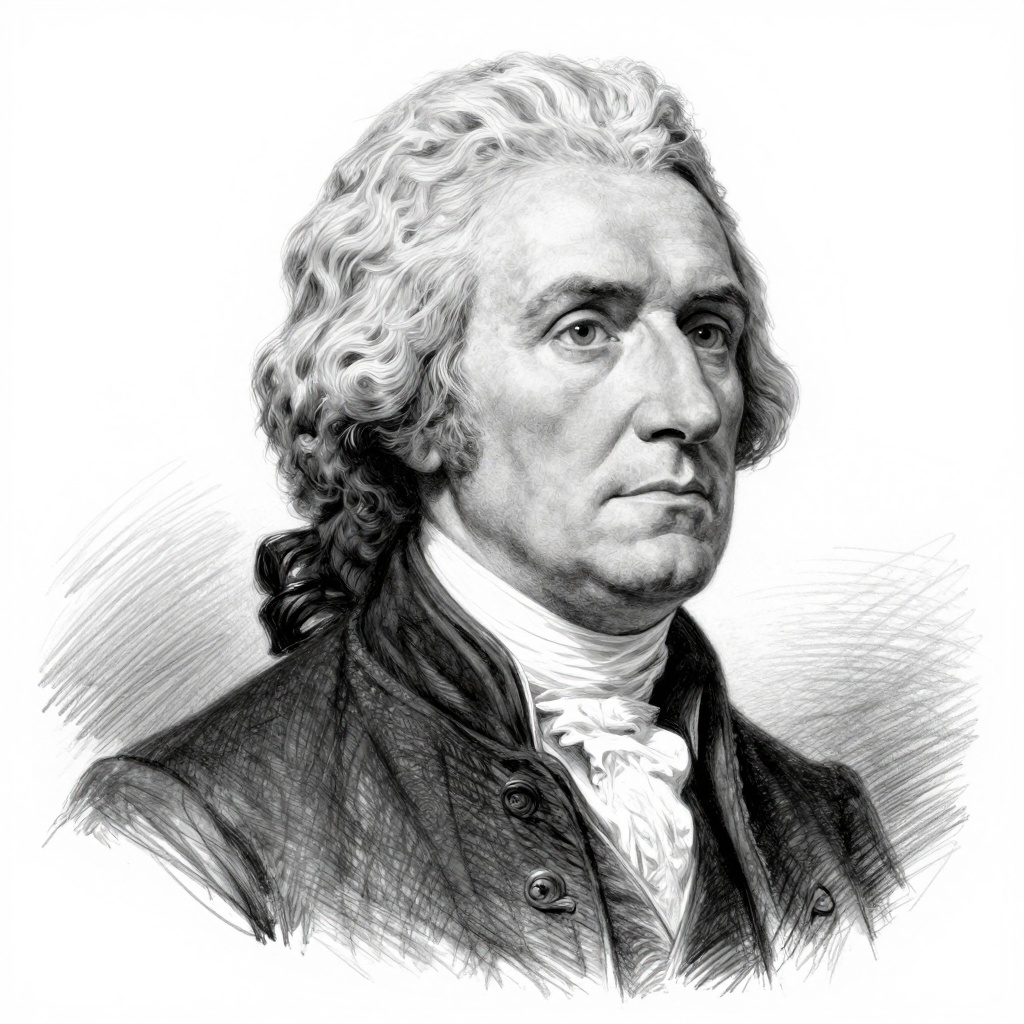
Dependence begets subservience and venality, suffocates the germ of virtue, and prepares fit tools for the des... — Thomas Jefferson

Dependence begets subservience and venality, suffocates the germ of virtue, and prepares fit tools for the designs of ambition.

Author: Thomas Jefferson

Insight: There's something Jefferson understood that we still wrestle with: when you need someone too badly, you stop being yourself. Not dramatically—not like a villain in a story—but quietly. You start softening your opinions around your boss because they control your paycheck. You laugh a little too hard at a friend's joke because you value their approval. You make yourself smaller to keep the peace with someone who holds power over you. The tricky part is that this isn't about weakness or moral failing. It's structural. When your survival or comfort depends entirely on one person's goodwill, you naturally become cautious. You learn to read their moods, anticipate their preferences, shape yourself to fit their needs. Jefferson called this suffocating "the germ of virtue"—that spark that makes you honest, courageous, willing to disagree. And he's right. Real integrity is almost impossible when the cost of speaking truthfully might be catastrophic. This matters now in ways Jefferson couldn't have imagined. We're all more dependent than ever—on employers, platforms, algorithms that decide what we see. The question isn't whether dependence itself is bad, but whether we can build enough independence somewhere in our lives to keep that "germ of virtue" alive.

When you depend, you stop resisting

Dependence begets subservience and venality, suffocates the germ of virtue, and prepares fit tools for the designs of ambition.

There's something Jefferson understood that we still wrestle with: when you need someone too badly, you stop being yourself. Not dramatically—not like a villain in a story—but quietly. You start softening your opinions around your boss because they control your paycheck. You laugh a little too hard at a friend's joke because you value their approval. You make yourself smaller to keep the peace with someone who holds power over you.

The tricky part is that this isn't about weakness or moral failing. It's structural. When your survival or comfort depends entirely on one person's goodwill, you naturally become cautious. You learn to read their moods, anticipate their preferences, shape yourself to fit their needs. Jefferson called this suffocating "the germ of virtue"—that spark that makes you honest, courageous, willing to disagree. And he's right. Real integrity is almost impossible when the cost of speaking truthfully might be catastrophic.

This matters now in ways Jefferson couldn't have imagined. We're all more dependent than ever—on employers, platforms, algorithms that decide what we see. The question isn't whether dependence itself is bad, but whether we can build enough independence somewhere in our lives to keep that "germ of virtue" alive.

AI generated

Comments

Sign in to leave a comment or reply to one.

Sign in

Thomas Jefferson

Thomas Jefferson was an American Founding Father who served as the third President of the United States from 1801 to 1809. He is best known for being the primary author of the Declaration of Independence and for his advocacy of democracy, republicanism, and individual rights. Jefferson also founded the University of Virginia and was a prominent architect, inventor, and philosopher.

Graph

Related